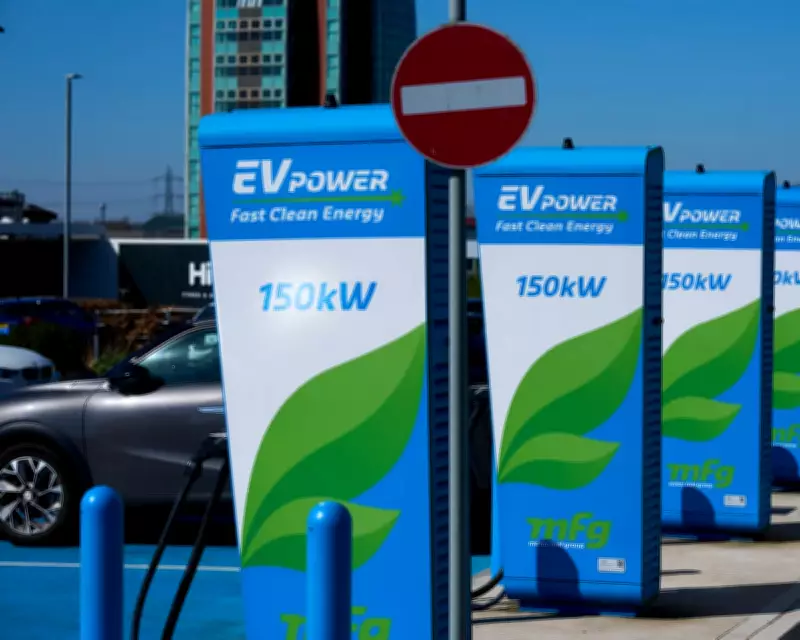
The UK Treasury has rejected a proposal to reduce VAT on electricity used at public electric vehicle (EV) chargers from 20% to 5%, despite support from the Department for Transport (DfT). The decision, made by Chancellor Rachel Reeves, highlights a disagreement between government departments over the cost and fairness of the current tax structure.
DfT Backs VAT Cut for Public EV Charging
According to three industry sources, DfT officials encouraged EV charge point operators to write to the Treasury outlining how they would respond to a VAT reduction. The companies indicated they would pass the tax cut on to consumers. DfT ministers, led by Heidi Alexander, are understood to support lowering the VAT rate, citing pressure on households from the cost of living.
Criticism of the 'Pavement Tax'
The government faces increasing pressure to equalize VAT rates between home and public charging. Home charging is subject to a 5% VAT rate, while public charging is taxed at 20%. Critics have labeled this disparity a 'pavement tax,' arguing it unfairly penalizes those without off-street parking and slows the transition to electric vehicles, particularly in urban areas.

Treasury Concerns Over Revenue Loss
The Treasury has resisted the change due to concerns about the long-term cost of lost VAT revenue. As EV adoption grows, fuel duty revenues from petrol and diesel cars are expected to decline, making the VAT disparity a key issue in the government's review of public charging costs, due to report in autumn.
Legal Challenge and Industry Reaction
The Treasury's hand could be forced by a London tax tribunal ruling in March, which found that the VAT rate on public charging should have been 5% due to a misapplication of the law. HMRC is appealing the decision, but experts doubt the appeal will succeed. Dan Caesar, founder of Electric Vehicles UK, called for the VAT on public charging to be eliminated, stating, 'HMRC's appeal against this, despite best efforts of other departments, shows what a mess the government is in.'
Impact on EV Adoption
Equalizing VAT on public charging could incentivize more people to switch to electric cars, especially as other Labour government policies, such as a planned 3p-per-mile charge for EVs from 2028, may slow adoption. The government is also considering weakening its zero emission vehicle (ZEV) mandate, which has angered charging companies concerned about reduced demand for their infrastructure.
Government Response
A government spokesperson said: 'The government is boosting the EV transition by saving drivers up to £3,750 off a new car, with more than 95,000 people benefiting already, and investing over £7.5bn into the UK electric vehicle sector. We’re also reviewing the cost of public EV charging which will look at the impact of energy prices, wider cost contributors, and options for lowering these costs for consumers.'