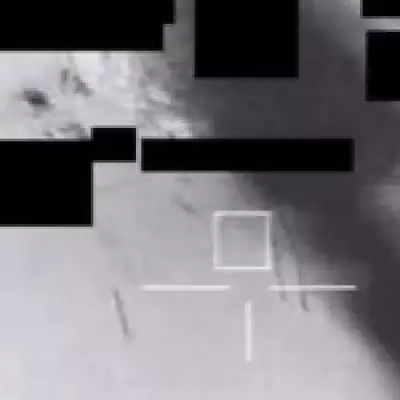
The US military has unleashed fresh strikes against Iranian missile launch sites and boats at the Strait of Hormuz. Military officials insisted that the airstrikes were carried out in 'self-defence' and to 'protect our troops from threats posed by Iranian forces.' The latest strikes on Monday have cast a shadow over the already fragile ceasefire and raised doubts about a deal being reached.
Details of the Strikes
US Central Command's spokesman Timothy Hawkins said: 'Targets included missile launch sites and Iranian boats attempting to emplace mines. U.S. Central Command continues to defend our forces while using restraint during the ongoing ceasefire.' Iran has not yet responded to the latest attacks, but state-linked media has hinted that they breach the current ceasefire deal.
Diplomatic Context
Meanwhile, the US Secretary of State, Marco Rubio, signalled that the talks between Washington and Tehran were continuing despite the military action. When asked about the airstrikes, he said: 'The straits have to be open, they're going to be open one way or the other, so they need to be open.'

Target Locations
Monday's strikes targeted the port city of Bandar Abbas, where an Iranian naval base is located, the New York Times reports. Both the US and Iran have previously exchanged fire during the pause in fighting. In early May, explosions rocked cities around the Strait of Hormuz, including in the ports of Qeshm Island and Bandar Abbas. The US CENTCOM said at the time the strikes were in self-defence and targeted Iranian military facilities, while officials insisted that it didn't mean that fighting had resumed.
Reactions and Implications
The strikes have raised tensions in the region, with experts warning that the fragile ceasefire could collapse. The US has maintained that its actions are defensive, while Iran has yet to officially respond. The situation remains fluid, and further developments are expected as diplomatic efforts continue.