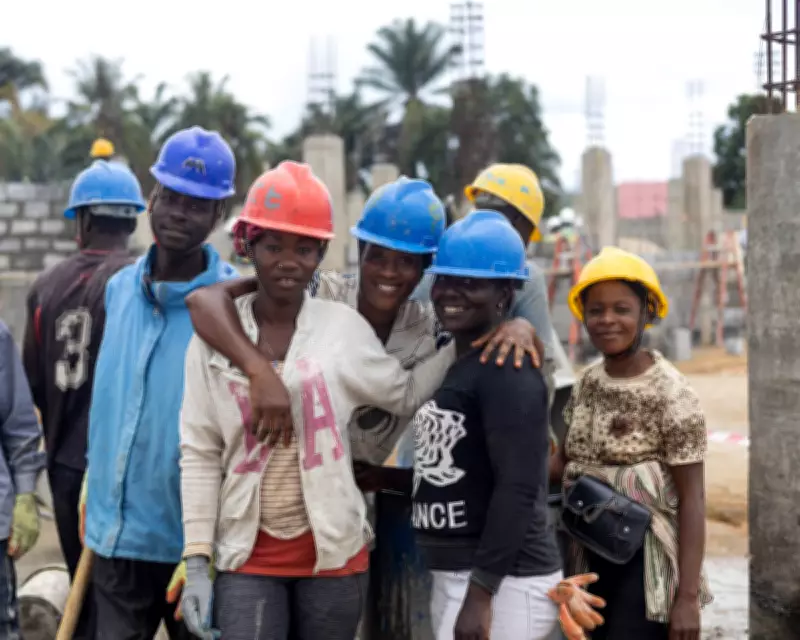
In Kono, Sierra Leone, young workers are constructing the Maternal Centre of Excellence, symbolising a continent at a critical juncture. By 2050, Africa's population is projected to reach nearly 2.5 billion, representing one-quarter of the global populace. This demographic reality is reshaping societies and presenting both immense challenges and opportunities.
Africa's Most Consequential Decade
For the first time in history, more than 70% of Africans are under the age of 30. This youthful demographic, combined with persistent inequalities, poverty, unemployment, and socioeconomic divisions, is fundamentally altering how African nations interact with each other and the wider world. The next ten years represent Africa's most consequential decade, with leaders facing difficult mandates in a transformed political, economic, and social landscape.
Political responses to this pressure vary, exemplified by Namibian President Netumbo Nandi-Ndaitwah's declaration of "business unusual" for her administration. This approach recognises that traditional methods are insufficient for current challenges. Those assuming leadership roles in this era must deliver tangible results and make decisions that will establish socioeconomic norms for the next century.

Demographic Reality and Its Implications
By 2050, over 25% of the world's population will be African, with the continent approaching 2.5 billion inhabitants. By century's end, half of all children globally will be African. This youthful population creates exponential demand for healthcare, education, employment, basic services, and infrastructure simultaneously across the continent.
Without deliberate investment in leadership, institutions, and systems, this demographic advantage could transform into a destabilising liability. Most healthcare systems, particularly sexual and reproductive health services, remain politically contentious, underfunded, and inadequately prioritised, despite their critical influence on learning outcomes, labour force participation, household stability, and public trust.
The Leadership Imperative
This demographic shift presents an extraordinary opportunity to address future challenges comprehensively. The moment demands leaders capable of making deliberate, difficult choices that deliver impact at scale. Young Africans are growing up in environments struggling to match their aspirations, with economies failing to generate sufficient quality employment and education systems misaligned with labour market needs.
Yet this is not merely a story of deficit. Young people are already demonstrating what a brighter future might entail, building enterprises, reimagining governance structures, and demanding institutions and policies that reflect their ambition and innovative capacity. Leadership must respond by creating dignified, future-ready employment, aligning education with emerging industries, and ensuring health systems empower individuals while strengthening societies.
Transforming Challenges into Advantages
A youthful population lacking opportunities will not remain passive, but conversely, when states credibly expand opportunities, a youth-majority population becomes a significant national advantage. Countries that strategically invest in youth today will define global innovation and competitiveness in the coming era.
The continent's fundamental challenge involves developing systems that nurture leadership pipelines capable of converting demographic momentum into sustained growth. This requires evolving institutional power centres, both within Africa and internationally, that were designed for a different historical period.
Institutional Transformation Needs
Many African institutions bear structural legacies including incomplete reforms, weak execution mechanisms, and accountability gaps. Fiscal pressures and high debt-servicing costs have particularly constrained African governments' capacity for innovation. Even well-governed nations remain limited by frameworks never designed for their current ambition, scale, or trajectory.

The systemic transformation required demands leadership approaches prioritising inclusion, community service, and long-term sustainability. Initiatives like Leadership Lab Yetu, a pan-African programme convening leaders across generations, exemplify the evidence-based, capable, and intergenerational leadership this era demands. The Swahili word "Yetu" meaning "ours" reflects the principle that leadership belongs collectively to all groups and generations.
The Stakes and Potential Legacy
The stakes could scarcely be higher. Africa stands at a pivotal moment where leadership transformation represents both necessity and opportunity. Investing in youth leadership today involves building structures and support systems enabling people to lead with credibility and confidence, delivering meaningful results at scale for communities.
Decisions made this coming decade regarding health, education, employment, and related areas will reverberate through the continent's socioeconomic fabric for the next century. Success could establish a leadership culture that learns across generations and a pipeline robust enough to reshape Africa's role in global trade, digital technology, and sustainable development.
Africa's demographic future presents unprecedented possibilities, but realising them requires unprecedented leadership investment. The countries that recognise and act upon this reality will not only transform their own societies but potentially redefine global innovation patterns for decades to come.