Thinktank Demands Corporate Donation Ban to Shield UK Elections from Foreign Influence
In a stark warning to policymakers, the Centre for the Analysis of Taxation (CenTax) has called for a complete ban on corporate donations to UK political parties, arguing that current legislative efforts are insufficient to protect elections from foreign interference. This comes as parliament debates the representation of the people bill, the first major overhaul of election funding in 26 years, aimed at closing loopholes that allow ineligible individuals to donate through UK-registered companies.
Loopholes in Proposed Legislation
Sebastian Gazmuri-Barker, a senior legal analyst at CenTax, highlighted critical flaws in the bill, stating that its proposed tests "contain loopholes that are easily exploitable." The legislation requires corporate donors to demonstrate they are controlled by UK electors or citizens, but CenTax's report, published today, asserts this approach will not solve the underlying problem. Researchers found that between 2001 and 2024, over 4,000 companies donated £293 million to political parties, with significant surges ahead of general elections. Alarmingly, nearly £1 in every £10 came from corporations controlled by individuals who would not have been eligible to donate directly, with these donations averaging almost twice the size of those from UK-eligible owners.
Opacity and Inadequate Data
The true extent of foreign interference is obscured by opaque corporate structures, making estimates conservative. A quarter of the donated money was untraceable because company owners could not be identified, a issue compounded by reliance on Companies House data, which has been criticized as unreliable and incomplete. "The bill's reforms are easy to dodge," the report states, criticizing the continued dependence on this flawed system rather than mandating the Electoral Commission to collect information directly.

Calls for Stricter Measures
In the absence of a corporate donation ban, CenTax advocates for mandatory registration with the Electoral Commission for all but the smallest donors, both individuals and companies, before any contributions can be made. They also insist on compulsory disclosure of the ultimate controllers of companies. Arun Advani, director of CenTax, emphasized, "Around a quarter of money donated by companies is completely untraceable, and at least one pound in 10 comes from individuals who could not donate directly. The bill is a welcome opportunity to fix this, but its current provisions won't do so and risk providing a false sense of security."
Government Response and Broader Context
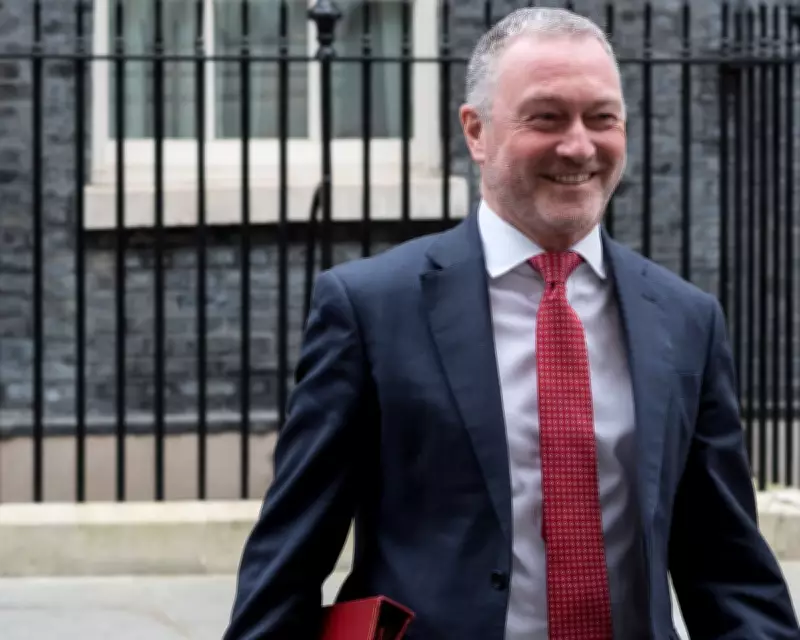
Steve Reed, the secretary of state for housing, communities and local government, who introduced the bill last month, defended the reforms, saying, "Growing threats from abroad mean we must make changes to keep our elections secure. We won't let hostile foreign states use dirty money to buy our elections. We are keeping British democracy safe for British people." The legislation mandates that companies must be majority owned or controlled by UK citizens, headquartered in the UK, and have sufficient income to fund donations. These reforms gained urgency following reports that Elon Musk was considering donations to Nigel Farage's Reform UK party, highlighting ongoing concerns about foreign influence in UK politics.