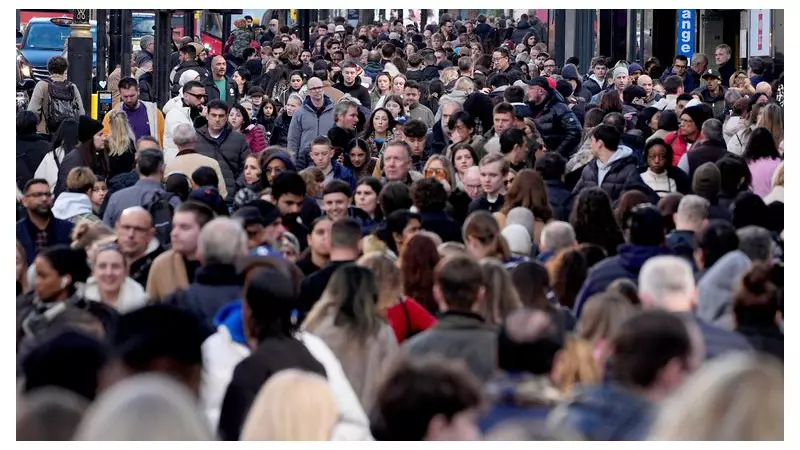
A major demographic shift is set to redefine the United Kingdom from next year, according to a leading economic think tank. The Resolution Foundation predicts that 2026 will be the first year in over a century where the number of deaths permanently exceeds the number of births, marking a profound 'turning point' for the nation.
A Permanent End to a Century-Long Trend
This anticipated change represents a significant break from the country's recent history. Since the start of the 20th century, births have outnumbered deaths in almost every single year. While temporary reversals have occurred, such as during the peak of the COVID-19 pandemic in 2020, analysts believe the shift expected next year will be the beginning of a lasting, long-term trend.
The think tank's outlook states starkly: "2026 may be the first year in a new era when deaths exceed births by an ever-widening margin, forever closing a chapter in the demographics of this country that opened over a century ago." From this point onward, any future population growth for the UK will be entirely dependent on international net migration.

Economic Consequences and the Immigration Paradox
The implications of this demographic inversion are substantial. A sustained decline in the native-born population leads directly to fewer people of working age, which in turn places immense pressure on public finances and services. The Resolution Foundation has warned that this scenario is likely to result in higher taxes for those still in employment to support an ageing society.
This creates a complex political paradox. The demographic data suggests a growing need for immigration to bolster the workforce and support economic growth. However, this analysis arrives at a time when major UK political parties are intensely focused on reducing current levels of immigration, a key issue for voters. Furthermore, the Foundation notes that net migration figures are themselves falling sharply, down by an estimated three-quarters from recent peaks to around 200,000 per year.
Fertility, Cost, and Global Trends
A rebound in the domestic birth rate appears unlikely to offset the trend. Data from 2023 shows the total fertility rate in England and Wales fell to a record low of 1.44 children per woman. Research consistently identifies the high cost of raising children as the primary barrier for Britons, far outweighing a simple lack of desire to have a family.
This challenge is not unique to the UK. A United Nations report corroborates that cost is a greater deterrent to having children globally than personal choice, with the worldwide fertility rate declining steadily for the past five decades.
Greg Thwaites, Research Director at the Resolution Foundation, framed the coming year as a potential catalyst for a new conversation: "This may shift the conversation on migration away from arguments over whether the country is already 'full' and onto whether we want to address population decline." He acknowledged, however, that migration policy will remain a deeply charged political issue, balancing economic needs against other public concerns.