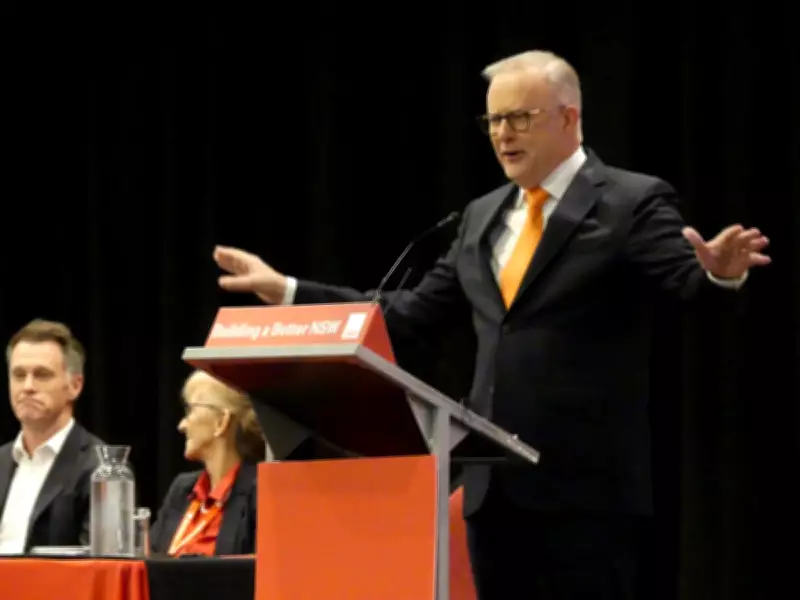
In a recent political address, Australian Prime Minister Anthony Albanese launched a sharp critique against Liberal Party leaders Angus Taylor and Jane Hume, accusing them of presenting economic policies that lack depth and consistency. Albanese likened their approach to a soufflé, a delicate dish known for its tendency to collapse under pressure, suggesting that their proposals are similarly unstable and insubstantial.
Albanese's Critique of Economic Policy
Albanese emphasized that the Liberal leaders' economic strategies fail to address long-term challenges facing Australia, such as inflation and job security. He argued that their policies are built on shaky foundations, much like a soufflé that can easily deflate, leaving citizens without reliable solutions. This comparison highlights Albanese's view that the opposition's plans are more about short-term appeal than sustainable governance.
Response from Liberal Leaders
Angus Taylor and Jane Hume have defended their economic policies, asserting that they focus on growth and innovation. They countered Albanese's criticism by pointing to their track record in previous roles and promising detailed plans in upcoming announcements. However, Albanese's remarks have sparked debate among political analysts, with some questioning the effectiveness of the Liberal Party's current direction.

Political Implications
This exchange comes at a critical time as Australia navigates economic uncertainties. Albanese's use of vivid metaphors, like the soufflé analogy, aims to undermine the credibility of his opponents and rally support for his government's initiatives. Observers note that such rhetoric could influence public opinion ahead of future elections, making economic policy a central battleground in Australian politics.
The ongoing debate underscores the importance of robust and transparent economic planning in maintaining national stability. As both sides continue to clash, voters are left to weigh the substance behind the political rhetoric, with Albanese's critique serving as a reminder of the stakes involved in policy-making.