Bank Governor Issues Stark Warning on Trump Tariff Threats
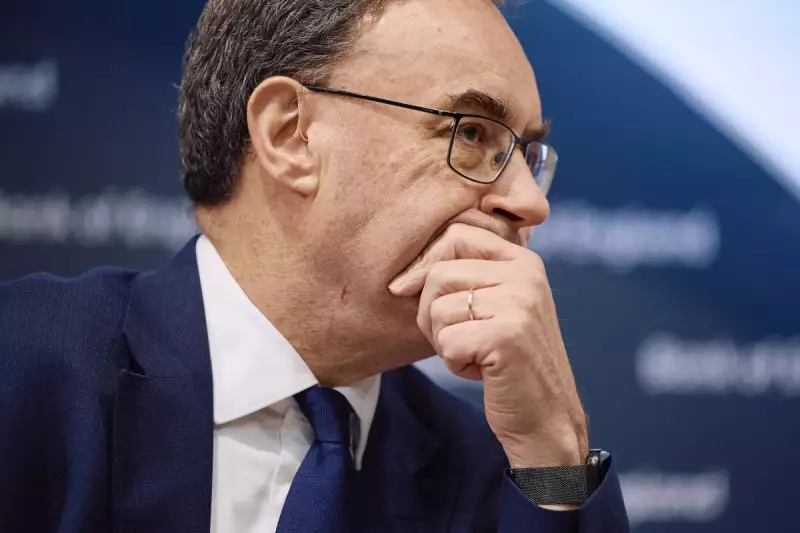
Bank of England Governor Andrew Bailey has delivered a sobering assessment of global financial stability, stating that the muted market response to President Trump's latest tariff threats against the UK and major European economies does not bring any assurance. Speaking during a Treasury Committee hearing on Tuesday morning, Bailey emphasised that while these specific threats might not trigger immediate financial collapse, they form part of a dangerous pattern of geopolitical uncertainty.
Geopolitical Landscape Poses Significant Risks
Bailey identified the broad spectrum of geopolitical issues, ranging from tensions in the Far East to developments in the High North, as constituting a major consideration for both domestic and global financial stability. He clarified that while individual issues might not cause immediate market meltdowns, their cumulative effect creates substantial vulnerability within the international financial system.
The governor pointed to recent market behaviour as evidence of underlying uncertainty. Major stock indices in both the UK and US experienced only modest declines compared to the sharp falls witnessed after last year's Liberation Day. Meanwhile, gold prices surged above £3,500 per ounce, and the US dollar showed only slight weakening against both the euro and pound sterling. These movements suggest investors remain cautious and have not yet reached definitive conclusions about whether President Trump will initiate a new trade war against key trading partners.

No Comfort in Calm Markets
"The level of geopolitical uncertainty and the level of geopolitical issues is obviously a big consideration because they can have financial stability consequences," stated Bailey, who also serves as head of the global Financial Stability Board. He acknowledged that global economic growth has proven more stable than anticipated and that market reactions have been more restrained than feared.
However, Bailey delivered his crucial warning: "Overriding those points, I take neither of those as a point of assurance. We have to be very alert to these things." This statement underscores his position that current market calm should not be misinterpreted as resilience or immunity to geopolitical shocks.
Broader Concerns About Central Bank Independence
Bailey has become increasingly vocal about risks associated with President Trump's policies in recent weeks. He told the Treasury Committee that attacks on the Federal Reserve's independence could create substantial spillover effects affecting the UK and other economies. This concern reflects growing anxiety about the potential for political interference in central banking operations across the Atlantic.
Regarding domestic politics, Bailey stated he currently sees no direct threat to the Bank of England's independence within the British political context. This comes despite Reform UK's deputy leader suggesting the party would add a Treasury representative to the Monetary Policy Committee, and Green Party representative Zack Polanski joining criticism of the Bank's quantitative tightening programme.
When questioned about general threats to central banks and financial stability, Bailey referenced his recent speech addressing the dangers of populism to global stability. He warned that trade friction could encourage nations to attribute unfavourable economic conditions to external forces rather than acknowledging shared challenges that require cooperative solutions.
The governor's comments highlight the delicate balance central bankers must maintain between responding to immediate market conditions and preparing for potential future disruptions in an increasingly volatile geopolitical environment.