

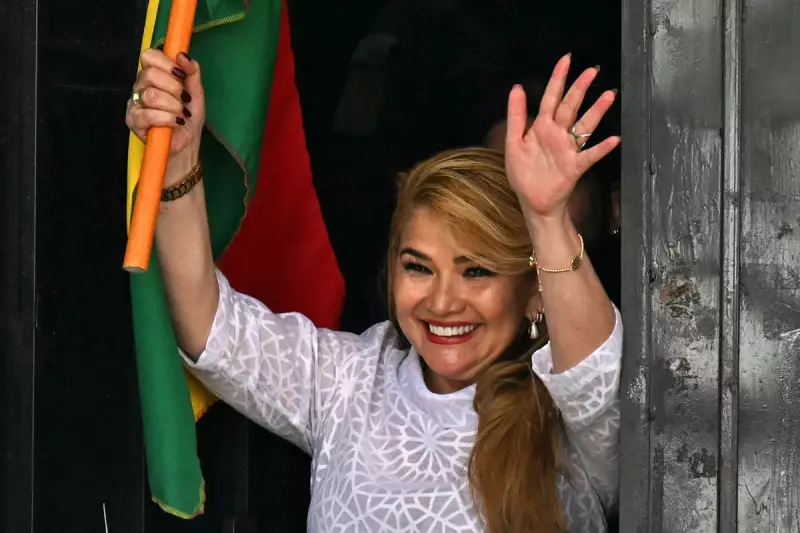
In a dramatic development that has captured international attention, Bolivia's former interim president Jeanine Áñez has been released from prison after serving 18 months of detention. The surprise decision comes amid growing political tensions in the South American nation.
Unexpected Release After Lengthy Detention
The 57-year-old conservative politician walked free from the Miraflores women's prison in La Paz on Wednesday, November 5th, 2025. Her release followed a court ruling that granted her provisional liberty while her case continues through the legal system.
Áñez had been serving a ten-year sentence for what critics described as politically motivated charges related to her role as interim leader following the controversial 2019 election. The court's decision to release her comes after significant international pressure and concerns about her deteriorating health condition.

International Reaction and Political Context
The international community has responded with mixed reactions to Áñez's release. Human rights organisations have welcomed the development, while the current Bolivian government maintains that the legal process must continue.
Áñez assumed power in November 2019 after former president Evo Morales resigned amid widespread protests and allegations of election fraud. Her interim government, which lasted until October 2020, oversaw new elections that returned the socialist MAS party to power under current president Luis Arce.
During her time in prison, Áñez's health reportedly declined significantly, with her legal team repeatedly requesting medical release. The former leader was convicted on charges of terrorism and conspiracy, which her supporters argue were fabricated to eliminate political opposition.
Broader Implications for Bolivian Democracy
The release of Jeanine Áñez represents a significant moment in Bolivia's turbulent political landscape. It occurs against the backdrop of ongoing tensions between the current government and opposition forces, raising questions about the future of political reconciliation in the divided nation.
International observers have closely monitored the case, with many viewing Áñez's imprisonment as a test case for judicial independence in Bolivia. Her release, while provisional, suggests potential shifts in the political dynamics that have dominated the country since the 2019 crisis.
As Bolivia continues to navigate its complex political future, the fate of former president Áñez remains a barometer for the health of the nation's democratic institutions. The coming months will reveal whether this development signals a move toward greater political tolerance or merely represents a temporary pause in ongoing political conflicts.






