

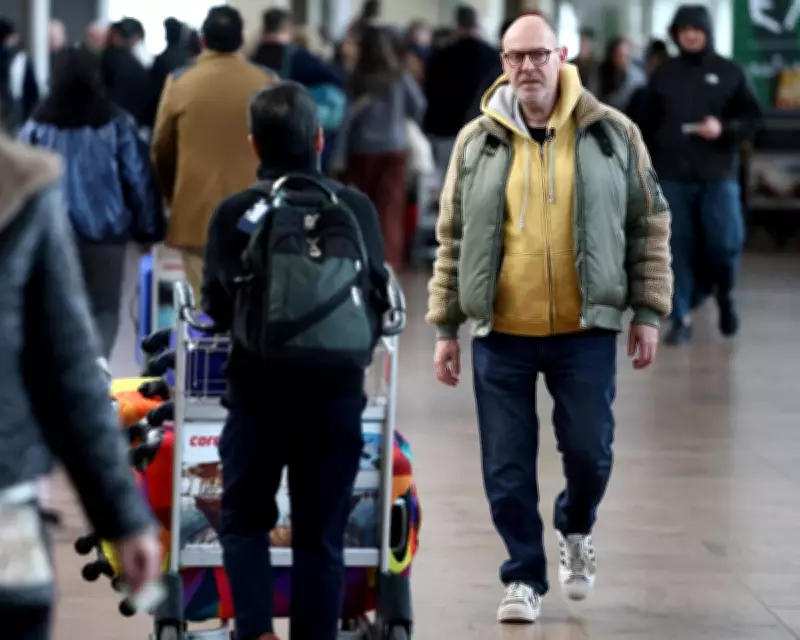
Brussels Bombing Survivors Face Pension Cuts a Decade After Attacks
Ten years after the horrific terrorist attacks that struck Brussels airport and a metro station, survivors are confronting a new battle: drastic cuts to their state pensions. Walter Benjamin, who lost a leg in the 2016 bombings, now endures sleepless nights not just from trauma, but from financial uncertainty after his monthly pension was slashed by 70% last year.
A Life-Changing Injury and Ongoing Struggles
Walter Benjamin, now 56, was standing mere meters from a suicide bomber at Zaventem airport on March 22, 2016, when the explosion occurred. The blast killed 32 people and injured over 320, leaving wounds typically seen in war zones. Benjamin lost his right leg and underwent 17 surgeries to save his left. Despite doctors predicting a years-long recovery, he was walking within three months, driven by a desire not to burden his then-16-year-old daughter.
Today, Benjamin manages daily treadmill walks to maintain strength, but he relies on medication to control panic attacks and depression. His physical resilience, however, is overshadowed by administrative woes. He claims his pension was cut to recoup "overpaid" compensation, potentially reducing his income by €130,000 to €150,000. He fears this debt could pass to his daughter, calling it a "psychological shock" that compounds his trauma.

Systemic Issues and Victim Despair
Benjamin is not alone. The support group Life for Brussels reports many victims are in "utter despair" as the state demands reimbursements, plunging families into hardship. Under a 2017 Belgian law, survivors cannot receive double compensation for trauma, leading to deductions from pensions if they obtained other payments like social security or insurance. Life for Brussels argues authorities are making incorrect deductions and violating non-retroactive principles.
Aurélie Cardon, injured in the Maelbeek metro station attack, faced similar issues. Her €126 monthly pension was abruptly stopped, and she received a €1,500 bill, reigniting trauma she thought was behind her. She says, "It's like this story will never end," highlighting the emotional toll of ongoing financial battles.
Official Apologies and Ongoing Fights
The Belgian pensions department recently apologized, admitting errors in 14 cases and confusing letters sent to 43 people. They pledged reimbursements for wrongful deductions and no retroactive adjustments for others. Cardon confirmed receiving a correction letter, but she continues to fight for her full pension without deductions, wanting to move forward from the attacks.
Benjamin, however, has not received such communication. He criticizes the lack of state follow-up over the past decade, advocating for routine health checks for survivors. While the apology offers some relief, many like Cardon and Benjamin remain embroiled in disputes, struggling to heal while facing bureaucratic hurdles that echo the horrors of 2016.






