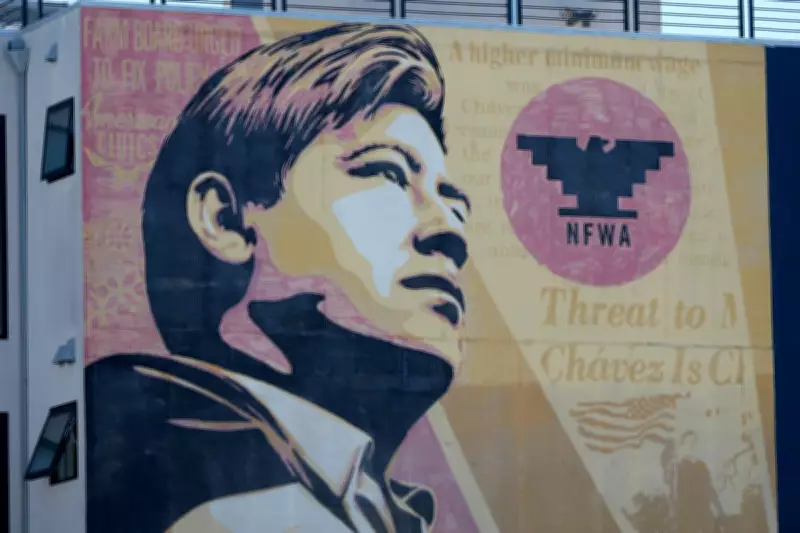
California Legislators Propose Renaming Cesar Chavez Day Following Abuse Allegations
In a swift response to shocking sexual abuse allegations against the late labor leader Cesar Chavez, California state legislators have introduced a bill to rename the annual holiday honoring him. The proposed legislation would redesignate March 31st as Farmworkers Day, moving away from the previous Cesar Chavez Day designation that has been observed for nearly three decades.
Widespread Renaming Efforts Across California
The legislative action comes amid a broader movement to remove Chavez's name from numerous institutions, events, and memorials across California and the United States. Following revelations that Chavez sexually abused girls and Dolores Huerta, co-founder of the United Farm Workers of America union, multiple jurisdictions are taking decisive action.
San Diego officials announced they are considering renaming Cesar Chavez Parkway, a major thoroughfare in the city, along with nearly a dozen parks and public buildings that currently bear his name. The city's process for changing street names requires unanimous support from affected property owners and businesses, plus approval from city authorities.

In San Francisco, Supervisor Jackie Fielder stated her office will support community efforts to remove Chavez's name from institutions in the predominantly Latino Mission District. Meanwhile, Bakersfield in California's Central Valley has discontinued plans to rename H Street in honor of Chavez.
Dolores Huerta's Revelations and Impact
The movement gained significant momentum after Dolores Huerta, now 96 years old, revealed she had been abused by Chavez in the 1960s. In an interview with Latino USA, Huerta described being raped twice by Chavez, resulting in two pregnancies she kept secret for six decades.
"I am nearly 96 years old, and for the last 60 years have kept a secret because I believed that exposing the truth would hurt the farmworker movement I have spent my entire life fighting for," Huerta stated in a Wednesday announcement. She has called for institutions to be renamed after "the martyrs of the Farm Workers Movement" rather than Chavez.
Comprehensive Removal from State Recognition
The California Museum announced it would remove Chavez from the state's hall of fame, marking the first time the institution has taken such action against an inductee. This decision reflects the profound impact of the allegations on Chavez's legacy across California institutions.
An analysis by the California Newsroom identified more than 65 locations across the state named after Chavez, including:
- Numerous schools throughout California
- Parks and recreational facilities
- Public buildings and community centers
- Major streets and thoroughfares
The process of renaming these locations varies by jurisdiction and may take considerable time depending on local laws and community input requirements.
Historical Context and Family Response
Cesar Chavez, born in Yuma, Arizona to a Mexican American family that traveled California picking seasonal crops, became nationally known for organizing farmworkers. His achievements included a significant hunger strike, a grape boycott, and eventual success in pushing growers to negotiate for better wages and working conditions.
California became the first state to designate Chavez's birthday as an official holiday nearly thirty years ago. In 2000, the state legislature passed additional legislation making it a paid day off for state employees and requiring schools to teach about his legacy and involvement in California's labor movement.
Chavez's family released a statement expressing devastation over the allegations while supporting survivors: "We wish peace and healing to the survivors and commend their courage to come forward. As a family steeped in the values of equity and justice, we honor the voices of those who feel unheard and who report sexual abuse."
Future Implications and National Impact
The revelations have led to canceled celebrations in California, Texas, and Arizona, where Chavez was born. The New York Times first reported that Chavez groomed and sexually abused young girls who worked in the movement, with Huerta confirming her own victimization in her thirties.

As California moves forward with renaming efforts, activists and community members are discussing appropriate alternatives. Some suggest honoring Dolores Huerta or other figures from the farmworker movement, while others advocate for broader recognition of the movement's collective achievements rather than individual leaders.
The proposed Farmworkers Day legislation represents a significant shift in how California commemorates labor history, emphasizing the contributions of farmworkers as a group rather than focusing on individual leaders whose personal conduct may conflict with their public legacy.