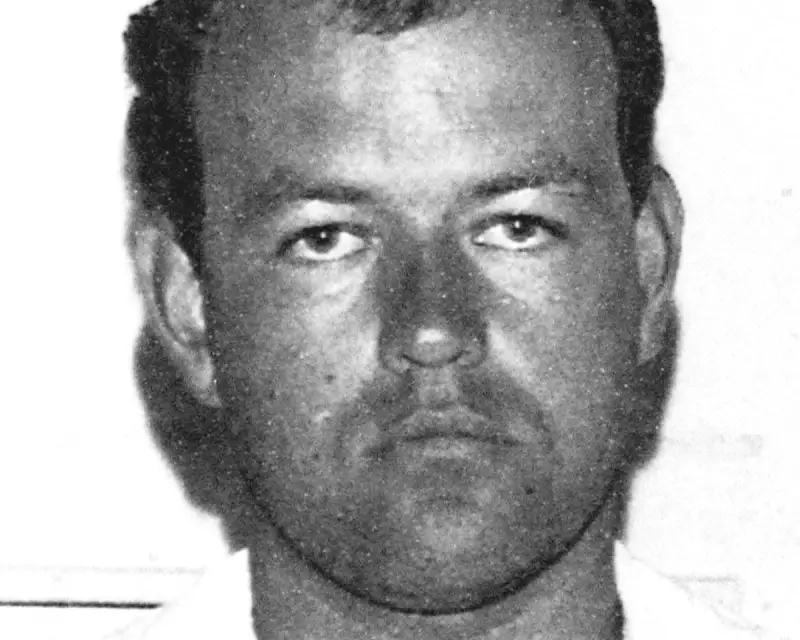
In a decisive ruling that will bring relief to victims' families and the public, the Parole Board has blocked the release of Colin Pitchfork, one of Britain's most notorious double murderers.
The decision marks the third time the 64-year-old killer has been denied freedom since becoming eligible for parole, with authorities concluding he still poses too great a risk to women and girls.
A Brutal Criminal History
Pitchfork's name remains etched in criminal history for the horrific 1983 and 1986 murders of two teenage girls - 15-year-old Lynda Mann and Dawn Ashworth, also 15. Both victims were sexually assaulted and strangled in Leicestershire, their young lives brutally cut short.

His conviction in 1988 represented a landmark moment in forensic science, being the first murder case solved using DNA fingerprinting evidence. This breakthrough eventually led to his capture and subsequent life sentence.
Parole Board's Firm Stance
The recent parole hearing, held in private last month, carefully examined whether Pitchfork could safely be released into the community. Despite previous temporary moves to open prisons, the board determined that strict confinement remains necessary.
Key concerns cited included:
- Ongoing risk to women and girls in the community
- Insufficient evidence of rehabilitation progress
- The need for further risk assessment in secure conditions
This rejection follows Pitchfork's previous failed release bids in 2016 and 2023, indicating consistent judicial concern about his dangerousness.
Justice Served, Families Protected
The decision ensures that Pitchfork will remain in the closed prison system, though he retains the right to future parole reviews. Typically, such reviews occur every two years, meaning the killer could potentially apply again in 2027.
For the families of Lynda Mann and Dawn Ashworth, this ruling represents another victory in their long battle for justice. It confirms that the UK justice system continues to prioritise public safety over early release, even for offenders who have served substantial prison terms.
The case continues to serve as a sobering reminder of the importance of DNA technology in solving violent crimes and protecting communities from dangerous offenders.