Datacenter Politics Take Center Stage in North Carolina's Democratic Primary Rematch
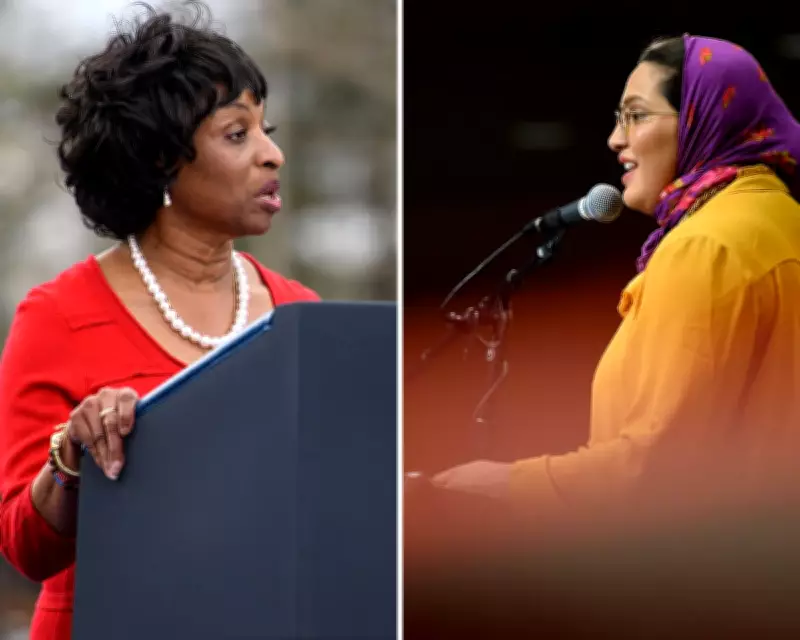
A North Carolina congressional primary on Tuesday is emerging as an early test of datacenter politics, a contentious issue increasingly shaping elections across the United States. In the Durham-area fourth district, Congresswoman Valerie Foushee is seeking her third term against progressive challenger Nida Allam, a Durham county commissioner she previously defeated in 2022.
The Datacenter Showdown
The heated rematch unfolds against the backdrop of a major datacenter battle in the district. Allam has staunchly opposed a massive new proposed facility and is advocating for a federal datacenter moratorium. In contrast, Foushee stated she does not personally support the new development but believes datacenter decisions should be left to local leaders rather than federal authorities.
Until mid-February, Allam's campaign donations significantly outpaced Foushee's, largely due to support from Pacs like Justice Democrats and gun control activist David Hogg's Leaders We Deserve. However, in the last two weeks, the financial landscape has shifted dramatically as major Pacs have rushed to back the incumbent.

Big-Tech Funding and AI Influence
Chief among these supporters is Jobs and Democracy, a Super Pac whose sole disclosed donor is Anthropic, the AI firm behind Claude. This group has spent approximately $1.6 million on Foushee's re-election campaign since February 21. Although Anthropic has no known links to the local datacenter proposal, opposition to it has left some residents skeptical of all political funding tied to big tech.
Anthropic brands itself as safety-focused, recently making headlines for refusing the Pentagon's demand for unfettered use of its products, though its tools have since reportedly been used in strikes on Iran. The company has backed some state AI safeguards and last year helped defeat a federal ban on state AI regulations.
Part of the broader network Public First Action, the Jobs and Democracy Super Pac was created to ensure leaders who protect against the risks of unregulated AI get elected, according to spokesperson Anthony Rivera-Rodriguez. However, Allam dismissed this notion, comparing it to allowing children to dictate their own bedtime.
Candidate Positions and Community Concerns
Hundreds have signed an open letter urging candidates to oppose the datacenter proposal and reject big-tech Pac money. Allam, who agreed to the terms, wears her opposition as a badge of honor. When asked about accepting AI sector funding, Foushee declined to make any pledge, emphasizing she does not coordinate with Super Pacs and will push for datacenter regulations in Congress.
The proposed datacenter, a 190-acre facility near Apex, has sparked pushback over energy and water use, potential increases in toxic emissions, and noise pollution. About 5,000 people have signed a petition opposing it, with residents like Michelle O'Connor, who holds a health sciences PhD, questioning its benefits for the community.
Foushee, endorsed by the Congressional Progressive Caucus and the League of Conservation Voters, trusts local leaders to make the right choice, though she shares environmental concerns. Allam, endorsed by the Sunrise Movement and Justice Democrats, argues federal leaders must slow AI's rapid expansion and supports a 10-year national moratorium to develop sustainable rules.
Regulatory Efforts and Criticisms
In December, Foushee was appointed to co-chair a new bipartisan AI commission, where she raised concerns about Anthropic's safety commitments and called for tech companies to detail AI's role in layoffs and environmental impacts. Critics, including Justice Democrats' communications director Usamah Andrabi, argue that accepting tech-linked funding undermines her regulatory stance.
During the 2022 cycle, Foushee faced criticism for accepting funding from the pro-Israel lobby and a Super Pac linked to convicted cryptocurrency financier Sam Bankman-Fried. She has since donated the Bankman-Fried-linked contribution and stated she will not accept further donations from the pro-Israel lobby.

Broader Implications and Future Outlook
The Apex datacenter reflects broader concerns about AI's rapid expansion, with potential daily water consumption of up to 1 million gallons and significant electricity demands. Bill Dam, a retired environmental scientist, warned about toxic emissions from backup diesel generators and potential rate increases.
Allam emphasized that residents are right to be skeptical of lawmakers funded by the industries they aim to regulate, advocating for AI leadership that benefits communities. As Tuesday's primary approaches, this rematch highlights the growing influence of datacenter politics and big-tech money in shaping electoral outcomes and policy debates nationwide.