Denmark's Political Crossroads: The Centrist Boomerang Effect
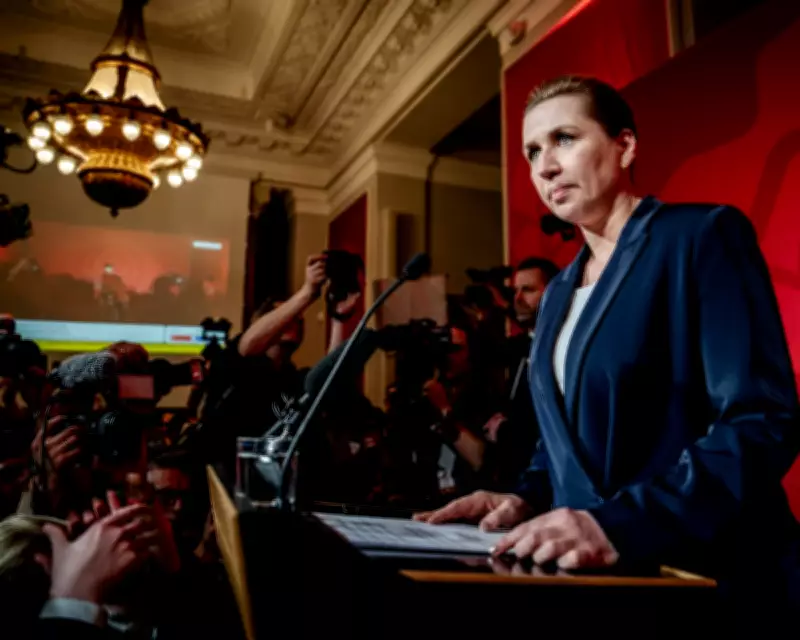
Denmark's internationally admired parliamentary model stands at a critical juncture following the March 2026 general election results. The outcome represents a profound vote of no confidence in the centrist government led by Social Democrat Prime Minister Mette Frederiksen, yet paradoxically appears likely to produce another centrist administration through what political analysts term the "democratic boomerang effect."
The Tyranny of the 10%
This political paradox centers on what observers call "the tyranny of the 10%." In Denmark's multiparty system, if 45% of voters desire left-leaning governance and another 45% prefer right-leaning leadership, the remaining 10% who support centrist parties can effectively determine government formation. This mathematical reality creates a situation where voters' rejection of centrism ironically returns to them through parliamentary mechanics.
For over half a century, with only one brief exception in the late 1970s, Danish governments have consistently formed along traditional left-right ideological lines. This historical framework provided both legitimacy and efficiency, creating a system where protest parties could influence governance through integration rather than exclusion.

Integration Versus Radicalization
Unlike Germany's institutionalized "firewall" or France's consensual "cordon sanitaire," Denmark developed a unique approach to political dissent. Rather than marginalizing populist movements, Danish tradition invited them to the negotiating table, believing deradicalization occurred through integration and recognition.
The positive outcome of this political culture ensured governing parties couldn't ignore protests against consensus. Dissatisfaction with the system could correct and influence policy direction. Prime Minister Frederiksen's own political evolution demonstrates this dynamic: her immigration policies have been shaped by right-wing protest parties, while her environmental agenda reflects left-wing demands.
The Centrist Experiment and Its Consequences
Frederiksen's 2022 decision to form a governing alliance between center-left Social Democrats and center-right Liberal party represented a radical departure from Danish political tradition. This centrist coalition, which included Lars Løkke Rasmussen's Moderates party, claimed to represent responsible leadership during challenging times.
However, critics labeled this approach "populism for the elites," substituting legitimate ideological conflict with an artificial division between "reasonable" centrists and "ridiculous" extremists. The coalition never achieved significant public support, with voters consistently expressing dissatisfaction with this unprecedented political arrangement.
Election Fallout and Future Implications
The March 2026 election delivered devastating results for the traditional governing parties. The Social Democrats suffered their worst electoral performance in over a century, while the centrist experiment appears to have weakened established parties while empowering protest movements.
During the campaign, both major parties tellingly abandoned their centrist rhetoric, returning to traditional left-right positions. The Social Democrats emphasized wealth taxes and environmental protection, while the Liberal party campaigned on economic growth promises, recognizing that centrist appeals failed to resonate with voters.
Democracy at Risk
The current political crisis raises fundamental questions about Denmark's democratic future. The fear among political observers is that Denmark may follow other European nations into a pattern of elite centrism that produces political alienation while eliminating meaningful alternatives.
This "boomerang effect"—where rejected centrist governance returns through parliamentary mechanics—threatens to undermine the very foundations of Denmark's celebrated political model. If centrism continues breeding more centrism despite voter rejection, legitimate protest against injustice risks degenerating into destructive forces that could permanently damage Danish democracy.

The coming government formation negotiations will test whether Denmark can reinvent its political channels between protest and power, or whether the country will become haunted by the European specter of disconnected elite governance that breeds public frustration and democratic decay.