In a significant development at the World Economic Forum in Davos, Nigel Farage has been actively lobbying members of Donald Trump's team, as the former US president makes his long-awaited appearance at the annual gathering of global elites. This move comes amid a flurry of political and economic discussions that are shaping international relations.
Trump's Dominant Presence at Davos
Donald Trump finally arrived in Davos despite experiencing a delayed flight, and his presence is expected to overshadow the proceedings of the forum. Prior to his departure, Trump held a major press conference where he once again criticised Sir Keir Starmer over the Chagos deal, raising questions about whether the British Prime Minister will be missed at the event in the Swiss Alps.
On-the-Ground Insights from Davos
Anne, reporting from the ground in Davos, has been gathering intelligence from across the economic and political spectrum. Her reports highlight Trump's controversial antics and the evolving British position on various issues. Additionally, she notes the exorbitant costs at the forum, such as the insane price of a carafe of warm white wine, underscoring the exclusive nature of the event.

Trade Tensions and Domestic Political Battles
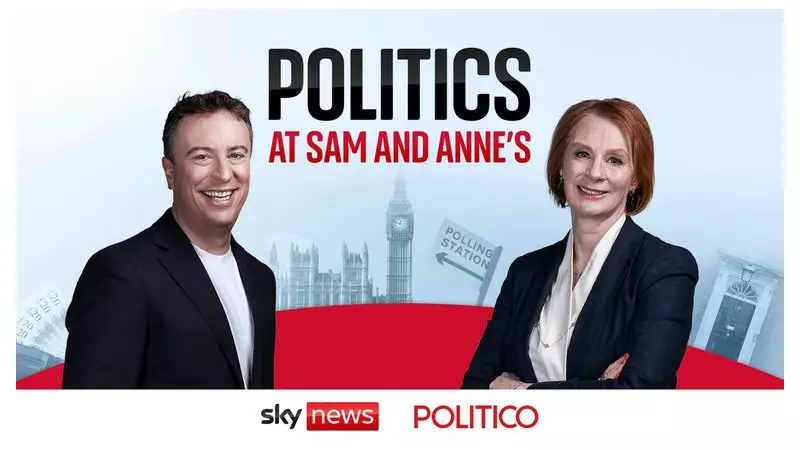
The podcast duo, Sam and Anne, delve into the potential divisions or unity in responses to possible tariffs over Greenland, a topic that has sparked intense debate among attendees. On the domestic front, they consider whether another red-on-red battle is about to commence within UK politics, adding to the already tense atmosphere.
Analysis of Farage's Strategic Moves
Nigel Farage's efforts to engage with Trump's team at Davos are seen as a strategic manoeuvre to influence US-UK relations and trade policies. This lobbying comes at a critical time when global economic strategies are being reassessed, and Farage's actions could have significant implications for future diplomatic and trade agreements.
As the Davos summit continues, all eyes are on the interactions between key political figures and the outcomes of their discussions, which could reshape international politics and economics in the coming years.