FCC Chair Carr's Threats Align with Trump's Media Control Agenda
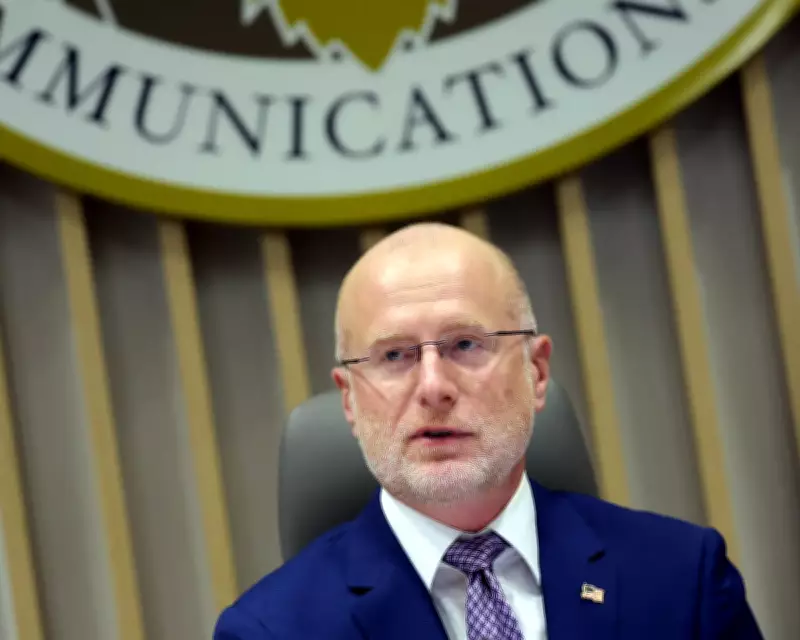
In a recent escalation of attacks on the press, Federal Communications Commission (FCC) chair Brendan Carr has threatened to revoke the licenses of broadcasters who air what he labels as "fake news." This move came swiftly after former President Donald Trump fumed on Truth Social about newspaper coverage of attacks on US tanker aircraft in Saudi Arabia. Carr reposted Trump's rant, vowing action and even referencing Trump's "landslide election victory" for added emphasis.
Trump quickly responded, expressing thrill at Carr's threats and accusing unnamed media outlets of "treason" and a lack of patriotism for reporting on AI fakes linked to Iran. Notably, the media has regularly reported on these fakes to debunk them, making Trump's accusations baseless. This sycophantic cycle highlights a coordinated effort to silence critical reporting.
Legal Nonsense with Real Consequences
Carr's threats are legally hollow, as he lacks authority to revoke licenses over content disputes, but they are far from ineffective. Station owners, wary of costly legal battles or merger delays, often capitulate rather than fight back. This leads to self-censorship, with outlets burying reports critical of the Trump administration or pulling back on political coverage altogether.

For instance, when the FCC targeted California radio station KCBS over its coverage of an immigration raid, the station owner discouraged reporting on "controversial" topics and heavily policed news stories about politics or the Trump administration. Doug Sovern, a former investigative reporter for KCBS, recounted that managers spiked interviews, such as one with Representative Katie Porter, out of fear she might say something "anti-Trump."
War Reporting Under Threat
The Trump administration's strategy aims to distract the public from the realities of war, including American soldier deaths, costs, and lack of planning. By threatening news outlets over Iran war reporting, Carr and Trump seek to paralyze journalists. War reporting is already challenging due to limited access in Iran and communication blackouts, making verification nearly impossible. If minor mistakes could trigger FCC action, journalists risk being silenced by their bosses.
Carr's amplified post didn't even identify a factual error; it merely took issue with headline phrasing, echoing calls for more "patriotic" reporting. This unprecedented policing threatens to extend FCC purview to subjective censorship, leaving licensees unable to predict what might be deemed unacceptable next.
A Call to Action for Media and Lawmakers
News executives must recognize that caving to Trump and Carr only emboldens further demands. Media companies should stop surrendering out of convenience and fight back when necessary. Viewers must support outlets that resist censorship, as every click and subscription matters in defending independent journalism.
Lawmakers must also act. While removing Carr as FCC chair is unlikely in the current Congress, they should speak out against his and Trump's attacks on the free press. So far, only a few Democrats and one Republican have condemned Carr's latest threats. Without intervention, the outcome could be dire, pushing the US toward a state-controlled media model similar to Iran's obedient broadcasters.
Ultimately, Carr and Trump's attacks undermine the very foundation of a free press, threatening to replace it with propaganda that praises a leader and his wars. This is not only unpatriotic but dangerous for democracy.