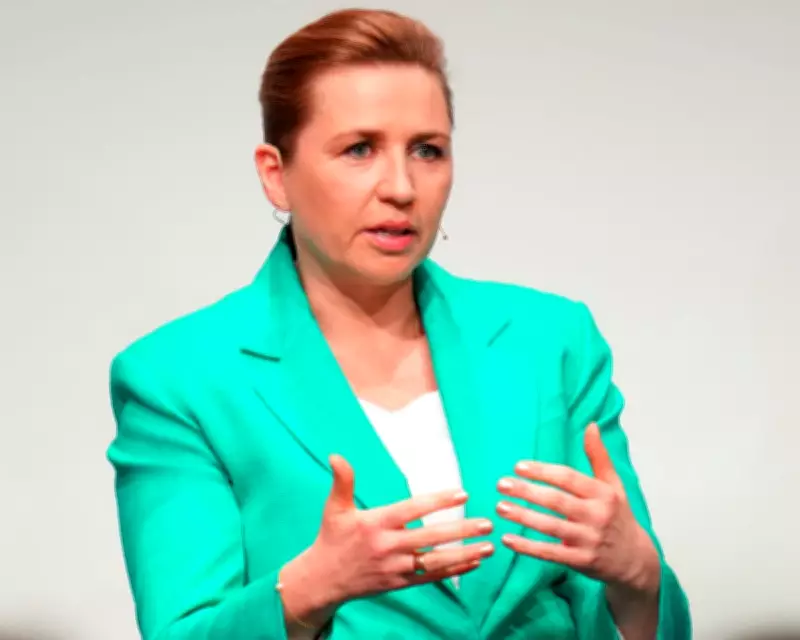
Frederiksen's Calculated Risk Yields Fragile Victory in Denmark
Danish Prime Minister Mette Frederiksen's unexpected decision to call a snap election has resulted in a narrow political victory, though the outcome leaves her Social Democratic party facing significant coalition challenges. The election, held against a backdrop of geopolitical uncertainty, saw Frederiksen's party maintain its position as Denmark's largest political force while experiencing a notable decline in vote share compared to previous general elections.
A Campaign Dominated by Domestic Concerns
The election campaign unfolded with surreal undertones, including revelations that blood supplies had been flown to Greenland in January to treat potential Danish military casualties in case of a US invasion. Despite this dramatic context, Frederiksen successfully emphasized stability and continuity in uncertain times, though the anticipated boost from Donald Trump's threats to annex NATO territory proved more modest than expected.
The Social Democrats' performance revealed both strengths and vulnerabilities. While remaining comfortably ahead of other parties, their support dropped significantly from previous elections, with notable gains made by both left-wing rivals and far-right parties. This outcome means any Frederiksen-led government will require centrist support to form a viable coalition.

Broader European Political Shifts
The Danish election occurred during a significant week for European politics that offered progressives cautious optimism. While the populist right continues to advance in some regions, as demonstrated by recent German state elections, there are emerging signs of shifting political dynamics across the continent.
In Italy, Prime Minister Giorgia Meloni faces her most challenging period since taking office, having suffered a significant defeat in a judicial reform referendum that also served as a broader verdict on her government's performance. The result has exposed political vulnerabilities and prompted resignations within her administration.
French local elections saw Marine Le Pen's Rassemblement National fail to achieve its desired breakthroughs in major cities, while center-left parties performed strongly enough to suggest renewed political possibilities in the post-Macron era. Meanwhile in Slovenia, center-left Prime Minister Robert Golob secured victory in the country's tightest-ever election despite allegations of foreign interference favoring a Trump-aligned opposition candidate.
Opportunities for Progressive Politics
While these developments don't constitute a sweeping socialist resurgence, they create openings for progressive parties willing to act boldly. European anxiety about transatlantic relations has prompted more assertive collective stances on economic policy, Ukraine, and security matters.
As another energy crisis—this time originating in Washington rather than Moscow—intensifies voter concerns about living costs and inequality, the populist-right formula of militant nationalism, welfare cuts, and tax reductions for the wealthy may be losing some appeal.
Frederiksen has indicated she will pursue a left-leaning coalition government with support from the center-right Moderates party, though achieving this agreement will prove challenging. As she noted, "The world is not waiting for us out there, and it has only become even more restless than when the election was called." For Europe's center-left, this restlessness represents both a challenge and a political opportunity in the coming months.