French Local Elections Deliver Strong Results for Far-Right and Radical Left Parties
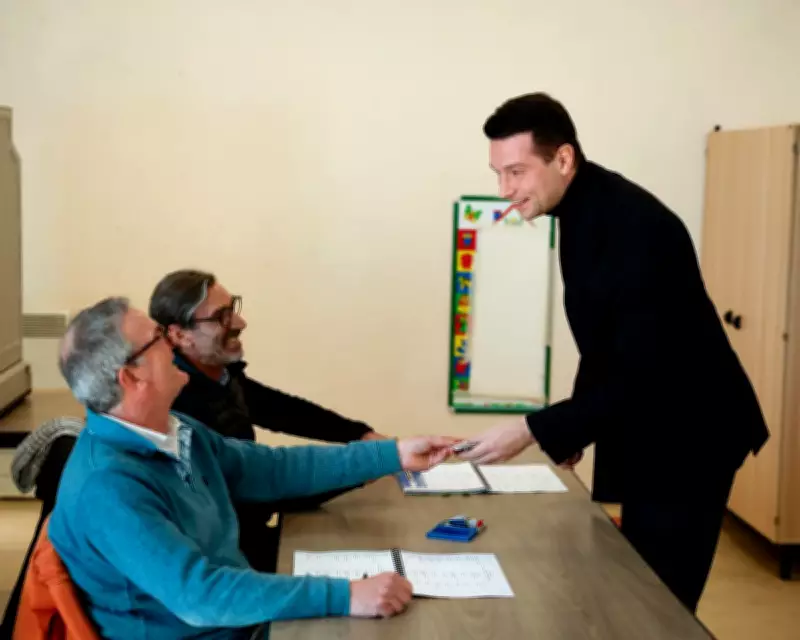
The first round of French municipal elections has produced a significant political shift, with Marine Le Pen's far-right National Rally (RN) and Jean-Luc Mélenchon's radical left La France Insoumise (LFI) both achieving notable gains. These results, which will lead to final round runoffs on March 22, are widely viewed as a critical indicator of the national political climate ahead of next year's presidential election.
Historic Parties Face Challenges as New Forces Rise
For decades, French local governance in major urban centers has been dominated by traditional political forces, specifically the Socialists on the left and Les Républicains on the right. However, Sunday's first-round voting revealed a substantial increase in support for alternative movements, particularly in key towns and cities across the nation.
La France Insoumise, which has historically maintained a limited local presence, achieved impressive scores in several regions. The party performed strongly in the northern town of Roubaix, where it stands a chance of securing the mayor's office. Significant results were also recorded in Toulouse, Lille, and Limoges, with the LFI successfully mobilizing younger voters to support its platform.

National Rally Celebrates Symbolic Victories and Strategic Gains
The National Rally, traditionally less successful in local elections, celebrated several symbolic and substantive first-round achievements. In Marseille, France's second-largest city, RN candidate Franck Allisio, who campaigned on a platform of restoring "order" amidst concerns over drug-related crime, tied with incumbent left-wing mayor Benoît Payan at approximately 35.4%, according to projections. This sets up a highly anticipated final-round contest.
Allisio declared, "The wind of change is blowing over Marseille... This is more than a score, it's a promise that tomorrow Marseille becomes the new French example." The outcome in Marseille may hinge on whether Payan's left coalition, which includes Socialists and Greens, can form an alliance with LFI to counter the RN's advance.
The RN retained control of Perpignan, a city of 121,000 near the Spanish border, which remains the largest municipality the party has governed over the past two decades. Additionally, the party posted strong results in southern cities like Toulon and Carcassonne, both heading to runoffs.
Key Urban Battlegrounds and Presidential Implications
In Nice, France's fifth-largest city, Éric Ciotti, who left Les Républicains to ally with Le Pen in 2024, scored highly and aims to unseat his former right-wing ally Christian Estrosi. Securing a major city like Nice would represent a significant stepping stone for the RN as it builds momentum toward the 2027 presidential race.
Paris witnessed Emmanuel Grégoire, candidate for a left coalition including Socialists and Greens, leading ahead of right-wing former culture minister Rachida Dati. The capital, under left-wing leadership for 25 years, will proceed to a second-round runoff. LFI candidate Sophia Chikirou also advanced in Paris, stating, "We exist, our voices count." She expressed openness to forming an "anti-fascist front" to prevent a right-wing victory.
Other notable results include Édouard Philippe, the former prime minister and potential centre-right presidential candidate, achieving a strong first-round score in Le Havre. In Lyon, Green mayor Grégory Doucet outperformed expectations against right-wing candidate Jean-Michel Aulas, former head of Olympique Lyonnais football club.
These municipal elections serve as a crucial barometer for the upcoming presidential contest, with Emmanuel Macron's second term concluding in spring 2027. The uncertainty surrounding France's future leadership in the EU's second-largest economy adds heightened significance to these local electoral outcomes and the impending runoffs.