Son of Former Libyan Dictator Muammar Gaddafi Shot Dead in Home Invasion
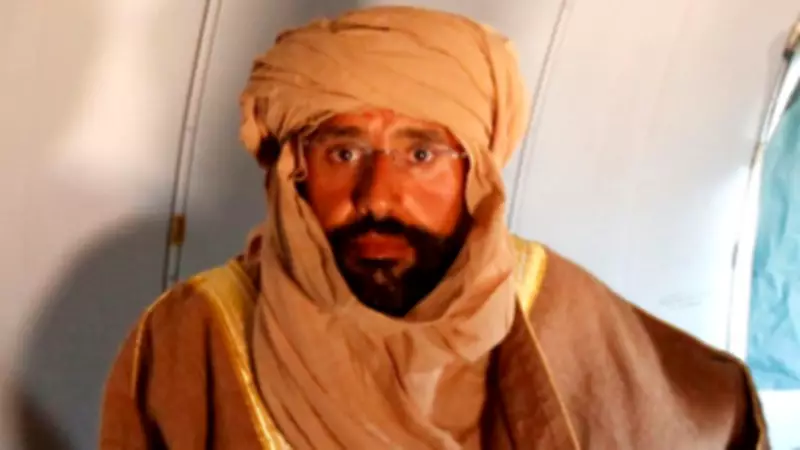
Saif al-Islam Gaddafi, the prominent son of Libya's late dictator Muammar Gaddafi, has been shot dead by armed assailants who stormed his residence in the northwestern town of Zintan. Officials and close associates confirmed the killing, which occurred during a violent confrontation on Tuesday, marking a dramatic end to the life of a figure once poised to lead the oil-rich North African nation.
Confrontation in Zintan Leads to Fatal Shooting
According to a statement from his office, the 53-year-old was killed in a "direct confrontation" with four gunmen who broke into his home in Zintan, located south-west of the capital Tripoli. His lawyer, Khaled al Zaidi, and adviser Abdullah Othman Abdurrahim separately verified his death through social media posts, though they withheld specific details about the incident. This event underscores the persistent instability and security challenges plaguing Libya since the 2011 uprising that toppled his father's regime.
From Heir Apparent to Controversial Figure
Despite never holding an official government position, Saif al-Islam Gaddafi was widely regarded as the most powerful individual in Libya after his father, who ruled for over four decades. Educated at the London School of Economics and fluent in English, he initially presented a Western-friendly image, engaging in high-profile diplomacy such as negotiations on weapons of mass destruction and compensation for victims of the 1988 Lockerbie bombing. However, his role shifted dramatically during the 2011 rebellion, where he became a key architect of a brutal crackdown on anti-government forces.

Following the fall of Tripoli, he was captured while attempting to flee to Niger, just a month after his father was hunted down and killed by rebels. In 2015, a Libyan court sentenced him to death for war crimes, and he was also sought by the International Criminal Court for crimes against humanity. He spent six years detained in Zintan, a stark contrast to his earlier life of luxury, which included keeping pet tigers and socialising with international elites.
Political Ambitions and Ongoing Turmoil
Released under an amnesty in 2017, Saif al-Islam attempted a political comeback in 2021 by running for president, but faced widespread opposition from those who suffered under his father's rule. His candidacy was disqualified due to his 2015 conviction, and it became a point of contention that stalled the election process amid disputes between powerful armed factions. In a 2021 interview with The New York Times Magazine, he described his strategy as a gradual return, stating, "You need to come back slowly, slowly. Like a striptease. You need to play with their minds a little."
His death occurs against a backdrop of deep division in Libya, where rival administrations in the east and west continue to vie for control, and the nation remains mired in anarchy since Muammar Gaddafi's downfall. Most of the former dictator's eight children held significant roles in government, highlighting the family's enduring influence. This assassination adds another layer of complexity to Libya's fraught political landscape, raising questions about future stability and the ongoing legacy of the Gaddafi era.