Lewisham's 2026 Local Elections: A Three-Way Battle Emerges
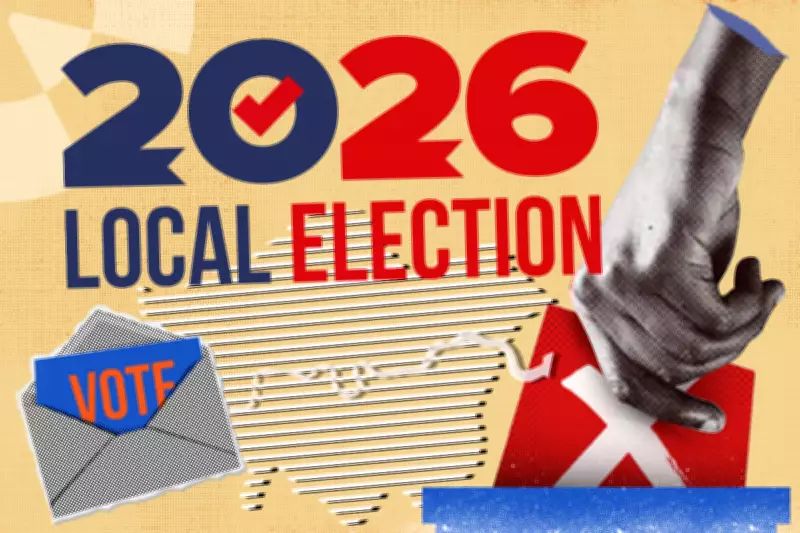
London's political landscape is poised for a significant shift as the 2026 local elections approach, with Lewisham Council becoming a crucial battleground. Historically dominated by Labour, this south London borough now faces a formidable challenge from the Green Party, potentially cracking what was once considered an impenetrable red wall south of the Thames.
From Labour Landslide to Green Onslaught
The borough's last local elections resulted in a remarkable Labour landslide, with the party securing every single one of Lewisham's 54 wards. This 2022 outcome foreshadowed broader national trends, reflecting the strong anti-Conservative sentiment that would later manifest in subsequent general elections. However, political dynamics have evolved considerably since then.
The Green Party has identified Lewisham as a primary target in its campaign to make substantial gains across London. What was traditionally a two-way contest between Labour and Conservatives has transformed into a three-way struggle, with Greens positioning themselves as a viable alternative for disillusioned voters.

Housing Crisis Takes Center Stage
As with many London boroughs, housing has emerged as the defining local issue in Lewisham's electoral contest. The Green Party, led by Zack Polanski, is aggressively courting Labour voters with promises of rent controls, drawing inspiration from policies implemented by New York's progressive leadership.
Earlier this month, Polanski joined forces with newly-elected MP Hannah Spencer to meet with Lewisham residents who expressed frustration about what they described as abandoned housing estates turning into "ghettos." This grassroots engagement reflects the Greens' strategy of connecting with voters on hyper-local concerns.
The Green Party has already demonstrated its growing influence in the borough, having captured four council seats from Labour since 2022, including two defections from Labour councillors last year.
Historical Context and Political Evolution
Lewisham's political history reveals a more complex picture than its recent Labour dominance suggests. The Conservatives actually controlled the council between 1968 and 1971, demonstrating that political fortunes can change dramatically over time. More recently, the borough experienced a period of no overall control in 2006 before Labour regained power in 2010, with Liberal Democrats briefly eclipsing Conservatives as the main opposition.
Gaza Conflict Becomes Local Election Issue
International politics has unexpectedly entered the local election fray, with the Israel-Palestine conflict becoming a significant factor in Lewisham's electoral dynamics. The borough will simultaneously elect a new mayor in May, with Green council leader Liam Shrivastava explicitly linking Palestinian statehood with domestic cost-of-living concerns in his campaign messaging.
Shrivastava's campaign website presents these issues as equally weighted priorities, stating: "Labour's complicity with the genocide in Gaza and inaction on the cost of living crisis has let us all down." This approach represents a deliberate strategy to appeal to younger, more radical voters who feel disconnected from traditional party politics.
The connection between international conflicts and local London politics extends further. Labour's former Lewisham mayor, Damien Egan, found himself at the center of controversy when a Bristol school canceled his visit due to his involvement with a Friends of Israel group, highlighting how global issues increasingly influence municipal elections.
A Changing Political Landscape
As election day approaches, Lewisham represents a microcosm of London's evolving political environment. The traditional Labour-Conservative binary is giving way to more complex multiparty competition, with single-issue politics and international concerns increasingly shaping local electoral outcomes.
The 2026 Lewisham local elections will test whether Labour can maintain its historic stronghold or whether the Green Party's focused campaign on housing and ethical foreign policy positions can successfully convert voter dissatisfaction into tangible electoral gains.