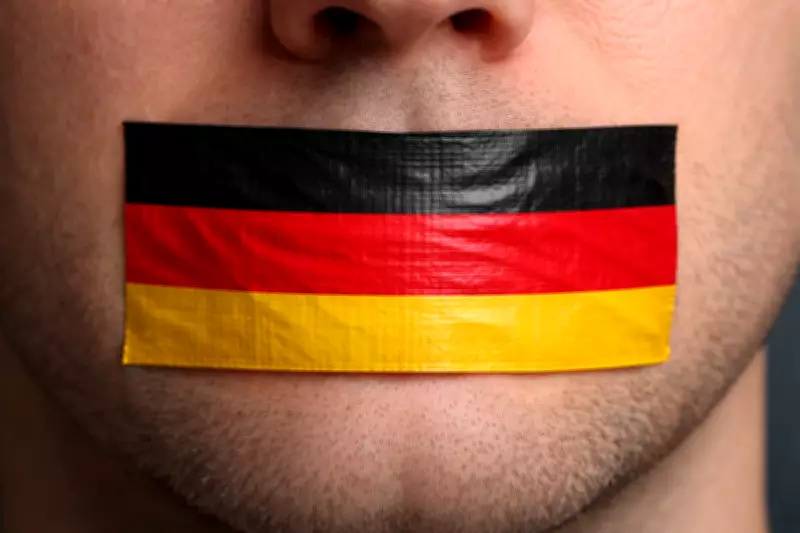
Historian Rainer Zitelmann Enters Legal Crossfire Over Free Speech in Germany
In a striking development, historian and City AM columnist Rainer Zitelmann has become embroiled in Germany's escalating free-speech debate after receiving a police letter alleging criminal activity. At 68 years old, Zitelmann notes this is his first legal conflict, stemming from a reposted image on social media platform X in December 2025.
The Alleged Offense and Legal Basis
The Berlin police accused Zitelmann of using symbols of unconstitutional and terrorist organizations under Section 86a of the German Criminal Code. The image in question depicted Hitler and Putin with speech bubbles referencing historical territorial demands—Hitler's for Czechoslovakia and Putin's for Ukraine—with Hitler shown wearing a swastika armband. Zitelmann clarified he did not create the image but reposted it, highlighting parallels he observes between the dictators' rhetoric and Western responses.
From his scholarly perspective, having earned a doctorate with a dissertation on Hitler, Zitelmann acknowledges that Hitler analogies can be distorted but points out similarities noted by historians like Anne Applebaum and Timothy Snyder. He argues that Section 86a, originally aimed at preventing Nazi propaganda, is now being misused against democrats and extremism opponents, including himself and figures like scholar Norbert Bolz and journalist Jan Fleischhauer.

Broader Implications for Free Speech
Zitelmann suspects the complaint against him may originate from state-supported reporting portals, such as "Meldestelle" Hessen gegen Rechts, which he criticizes for targeting "the right" broadly, encompassing democratic conservatives and liberals. He observes a shift from "cancel culture" to legal and administrative pressure to silence controversial views, a trend supported by rising investigations under laws like Section 188, which protects politicians from insults with heightened penalties.
Publicizing his case garnered international solidarity, with support from scholars like Steven Pinker and coverage in European newspapers. However, Zitelmann emphasizes that many unknown individuals, such as a pensioner investigated for calling a politician a "moron," lack resources to defend themselves. The German judicial system is straining under over one million pending criminal cases by end-2025, exacerbated by increased reports of online hate crimes.
This incident underscores growing tensions between free expression and legal enforcement in Germany, raising questions about the balance between preventing extremism and upholding democratic discourse.