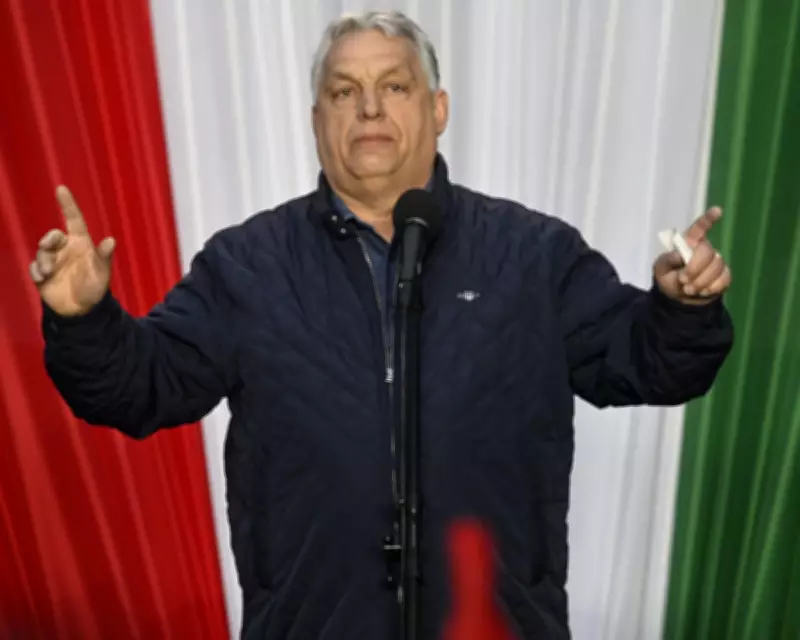
Hungarians Cast Votes in High-Stakes Election That May Oust Viktor Orbán
Hungarians are heading to the ballot boxes in a fiercely contested parliamentary election that could potentially remove Viktor Orbán from power after 16 years, reshaping the central European nation's relationships with the European Union, Moscow, and Washington. Orbán, the EU's longest-serving leader, trails in polls against Péter Magyar, a former elite member of Orbán's own Fidesz party, marking an unprecedented challenge to his rule.
Global Right-Wing Support for Orbán Intensifies
The threat to Orbán's dominance has prompted right-wing leaders worldwide to rally behind him. This week, JD Vance, the US vice-president, visited Budapest for a two-day trip, stating his goal was to "help" Orbán secure victory. US President Donald Trump has also consistently endorsed Orbán, pledging on social media to bring American "economic might" to Hungary if Orbán is re-elected. Previously, figures like Italy's Giorgia Meloni and Israel's Benjamin Netanyahu have openly backed Orbán, highlighting the election's international significance.
Campaign Focus: Ukraine War vs. Domestic Issues
During the campaign, Orbán argued that Hungary's greatest threat is the war in Ukraine, claiming he alone can maintain peace. In contrast, Péter Magyar has centered his platform on domestic concerns, promising to combat corruption, mend strained ties with the EU, and invest in Hungary's deteriorating public services. Magyar and his centre-right Tisza party have conducted an aggressive campaign, holding up to six rallies daily across the country, which has propelled them to the lead in most polls.

Analysts Urge Caution Amid Electoral Uncertainties
Despite Magyar's polling advantage, analysts warn that undecided voters, Hungarians abroad, and allegations of vote-buying could influence the outcome. The election also serves as a test of Orbán's entrenched political system, built over more than a decade through rewriting election laws, controlling approximately 80% of media with loyalists, and suppressing dissent, transforming Hungary into what critics call a "petri dish for illiberalism."
Scrutiny Over Russia Tensions and Alleged Interference
Questions have emerged about Orbán's government and its connections to Moscow, including allegations of Russian interference in the election and audio suggesting a minister leaked confidential EU information to Russia. Orbán's administration has cited leaks, such as a transcript where Orbán reportedly told Russian President Vladimir Putin, "I am at your service," as evidence of foreign meddling, adding a layer of geopolitical intrigue to the vote.
Voter Sentiment Reflects Deep Divisions
At a recent rally in Székesfehérvár, hundreds of Orbán supporters waved flags and cheered, with one 78-year-old attendee, Cecília, praising him as "the best leader in the world" and predicting a "supermajority" win. However, others expressed concern, with Sándor, 69, noting Orbán seemed "tired" amid the tense race. Meanwhile, Magyar supporters like Richárd, 27, highlighted a contrast in campaign tones, stating Fidesz relies on "hatred and fear," while Tisza promotes "hope."
The result will be closely monitored by the global far right, who view Orbán as an inspiration, and could signal a shift in Hungary's political trajectory, though a return to liberal democracy is not assured even if Orbán is ousted.