Former BBC Star Condemns Television Portrayal of His Criminal Conviction
Disgraced former BBC newsreader Huw Edwards has launched a scathing attack against Channel 5's forthcoming dramatization of his criminal downfall, while continuing to attribute his actions to mental health struggles rather than accepting full responsibility for his crimes.
Court Appearance and Guilty Plea
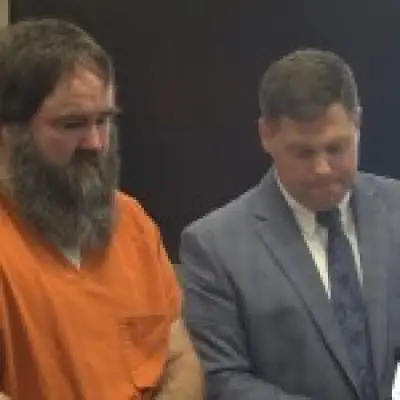
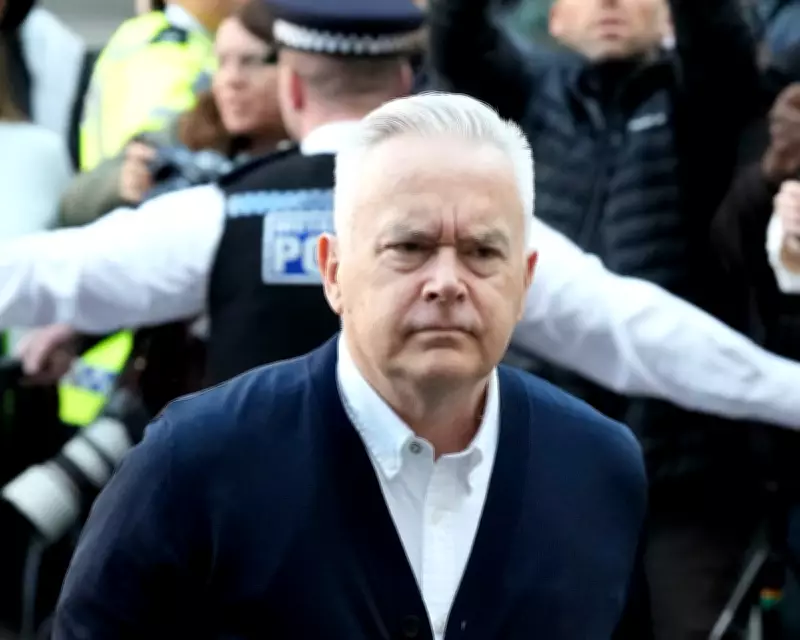
Edwards arrived at Westminster Magistrates' Court on September 16, 2024, for sentencing after pleading guilty to three counts of making indecent images of children. The once-iconic broadcaster, whose distinctive voice defined BBC news coverage for decades, now faces the consequences of possessing multiple illegal images, including the most serious Category A material that involves the direct sexual exploitation of minors.
Mental Health Defense Strategy
In a lengthy public statement, Edwards emphasized his "struggle with persistent mental illness over a period of 25 years" as context for his criminal behavior. "Mental illness is misunderstood by many but can never be an excuse for criminality," Edwards declared, while simultaneously suggesting his condition "helps explain why people sometimes behave in shocking and reprehensible ways."

This defense approach has drawn significant criticism from commentators who note Edwards has spent the past 18 months as a free man in Wales rather than in custody, yet continues to employ explanations that many consider outdated in contemporary discussions about accountability.
Channel 5 Drama Controversy
The former news anchor has taken particular issue with Channel 5's production "Power: The Downfall of Huw Edwards," starring Martin Clunes. Edwards claims the drama fails to "convey the reality of what happened" and questions whether contributors received payment for their participation.
This criticism appears particularly ironic given Edwards' own financial transactions, including paying over £35,000 to a teenager who had become homeless, while allegedly inquiring about potential reciprocation. Police investigations found no criminal evidence regarding these specific payments.
Financial and Professional Fallout
Despite his conviction, Edwards has not repaid any of the approximately £200,000 in license fee money he continued receiving while suspended from the BBC awaiting trial for crimes to which he would ultimately plead guilty. His professional downfall represents one of the most dramatic in British broadcasting history, transforming a trusted public figure into a convicted sex offender.
Future Account and Ongoing Narrative
According to representatives, Edwards plans to produce his own account of events, describing this as "a slow process given the fragile state of my health." This continued framing of his situation through a medical lens rather than accepting responsibility for creating victims has become a defining characteristic of his post-conviction public statements.
The case raises complex questions about how society discusses criminal behavior, mental health explanations, and media portrayals of real-life crimes. As dramatizations of true crime continue to dominate television programming, the Edwards case presents particularly challenging ethical considerations regarding representation, accountability, and the lasting impact on victims of sexual exploitation.