Iran's Assembly of Experts Could Convene Within 24 Hours to Elect New Supreme Leader
Iran's temporary leadership council is under significant pressure to appoint a new supreme leader rapidly, according to emerging reports. The nation's Assembly of Experts, a crucial clerical body, may meet within a single day to select the next leader. This urgent move follows the death of former Ayatollah Ali Khamenei, aged 86, who was killed in US-Israeli airstrikes targeting Tehran.
Immediate Response and Leadership Vacuum
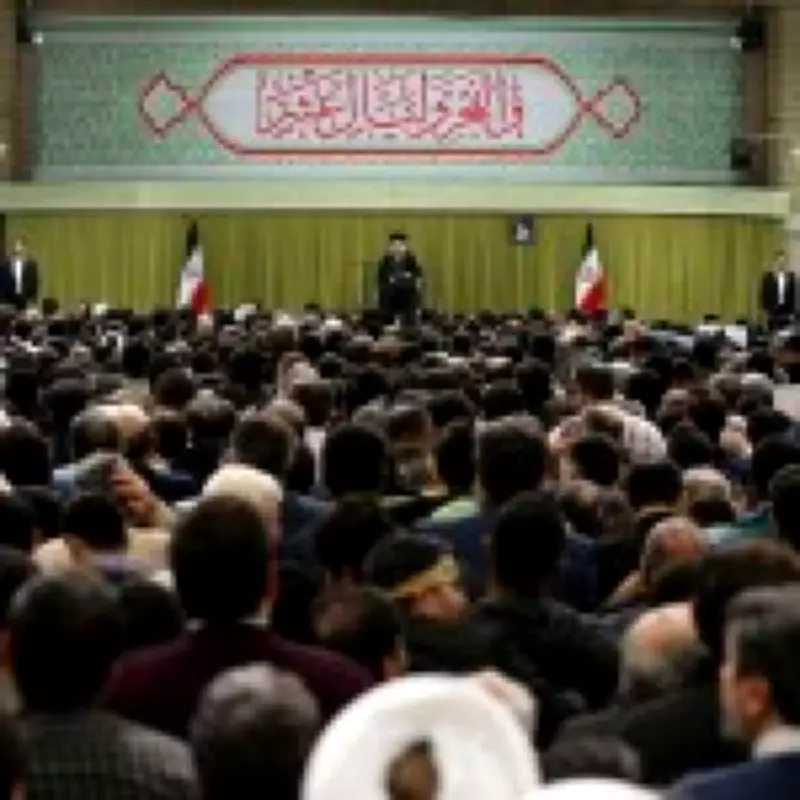
Ayatollah Hossein Mozafari, a member of the assembly, indicated that the clerics are poised to convene shortly. It remains uncertain whether the 88-member council will gather in person or conduct proceedings online, as some preliminary consultations have already occurred remotely. Since Khamenei's assassination, Iran has been governed by a three-person interim council. This council includes President Masoud Pezeshkian, Chief Justice Gholam-Hossein Mohseni-Eje'i, and Ayatollah Alireza Arafi, who are managing state affairs during this critical period.
Internal Calls for Swift Action
State media has quoted Grand Ayatollah Naser Makarem Shirazi, who emphasized that appointing a new supreme leader would help "better organise the country's affairs." Another prominent cleric, Grand Ayatollah Hossein Nouri Hamedan, has urged for an accelerated selection process to ensure stability. Under Iran's constitutional framework, a new supreme leader must be chosen within three months, but the current situation may prompt a faster resolution.

Frontrunners and Political Dynamics
Among the leading candidates for the position is Mojtaba Khamenei, the late supreme leader's 56-year-old son. Mojtaba has a strong background in Islamic theology and maintains close ties with the Islamic Revolutionary Guard Corps (IRGC). Tragically, both his mother, Mansoureh Khojasteh Bagherzadeh, and his wife, Zahra Adel, were reportedly killed in the same airstrikes. Despite never holding a formal governmental office, Mojtaba is viewed as a hardline conservative and is considered the most influential of Khamenei's children, positioning him as a formidable contender.
International Reactions and Domestic Stance
Former US President Donald Trump reiterated his demand on Saturday to be involved in selecting Khamenei's successor, highlighting external interest in Iran's internal affairs. However, Iran's UN ambassador, Amir-Saeid Iravani, firmly insisted that the process would be concluded "without any foreign interference," underscoring Iran's commitment to sovereignty. Meanwhile, protesters at a "Stop The War" march in central London on Saturday held up pictures of the late Khamenei, reflecting global tensions.
Regional Diplomacy and Ongoing Conflict
As the conflict entered its second week, Iran issued apologies to Gulf neighbors, assuring that no further strikes would target those countries unless an attack originated from them. Simultaneously, Iran vowed to continue attacks on US and Israeli assets, indicating a complex geopolitical landscape. This delicate balance between regional diplomacy and military posturing adds layers to the leadership transition, making the Assembly of Experts' imminent meeting a pivotal moment for Iran's future direction.