Iran's Political Crisis Deepens Amidst Widespread Unrest and Historical Parallels
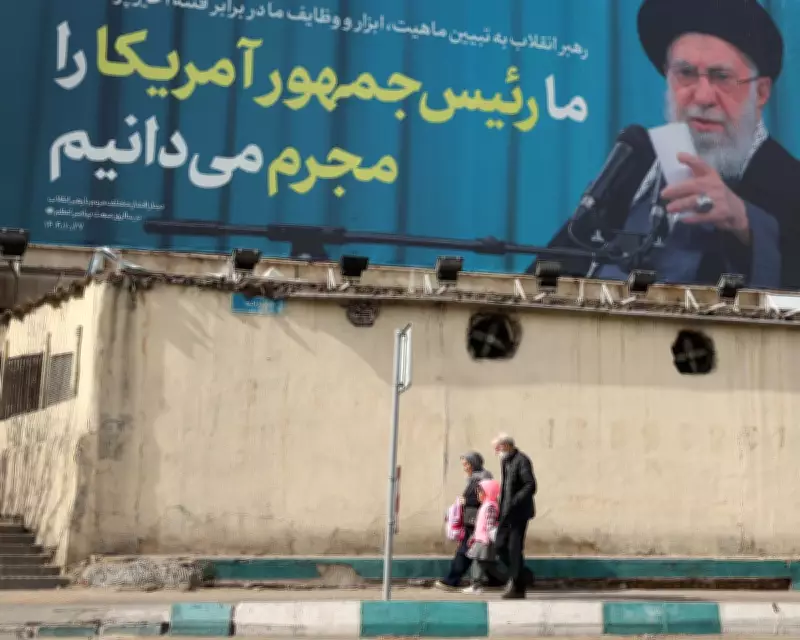
A stark billboard in Tehran featuring Supreme Leader Ayatollah Ali Khamenei, with a message translated as 'We know US president as a criminal following anti-government protests', underscores the escalating tensions in Iran. Dated 2 February 2026, this visual symbol reflects the regime's defiant stance as the country faces its most significant wave of protests since the early 1980s.
Striking Similarities to the 1979 Revolution
The current unrest in Iran draws alarming parallels to the events that led to the exile of the Shah in 1979. In late 2025 and early 2026, hundreds of thousands of Iranians took to the streets from Mashhad to Abadan, driven by soaring inflation and economic hardship. This mirrors the economic triggers of the 1970s, when price rises of up to 27% for basic goods fueled discontent among shopkeepers and businessmen in Tehran's bazaar.
A critical cycle of repression, grief, and protest has emerged, reminiscent of the patterns that unseated the Shah. In 1978, protests ignited after a conservative newspaper attacked Ayatollah Ruhollah Khomeini, leading to deadly clashes in Qom. The Shia tradition of 40-day mourning periods transformed these events into a sustained movement, as commemorations repeatedly sparked new demonstrations and further violence.

The Current Wave of Protests and Mourning Rituals
Recent reports indicate that merchants in Tehran's grand bazaar have called for nationwide protests at the end of the 40-day mourning period for those killed in early January 2026. Aiming to 'avenge the greatest street massacre in contemporary history', this movement poses a profound challenge to the regime, potentially surpassing even the threat of US military action.
Estimates of casualties vary widely, with some suggesting up to 30,000 deaths in January alone, compared to approximately 2,800 during the opposition to the Shah in 1978. This high toll means numerous mourning gatherings in the coming weeks, which could amplify public anger and mobilization.
International Context and US Involvement
Indirect talks between Iranian and US delegations in Oman have highlighted the deep divisions between the two nations. With many analysts deeming the gap unbridgeable, the risk of conflict looms large. Former US President Donald Trump's advocacy for regime change as the 'best thing that could happen' in Iran adds to the volatility, raising global concerns about the Middle East's stability.
Lessons from History and Future Uncertainties
The 1979 revolution involved a broad coalition, including radical clerics, liberals, nationalists, socialists, and minorities, all united against the Shah but divided on Iran's future. This diversity ultimately allowed Khomeini's faction to impose authoritarian rule, a cautionary tale for today's protesters seeking regime overthrow.
If the current regime falls, the aftermath remains unpredictable. Khomeini did not seize power immediately upon his return; it took years of war with Iraq, new institutions, and brutal repression to consolidate control. Similarly, any new direction for Iran would require mass mobilization and coalition-building, with competing visions likely to emerge.
As Iran stands at a crossroads, the people's struggle for freedom, prosperity, and security may only begin with regime change, echoing the tumultuous and uncertain path of 47 years ago.