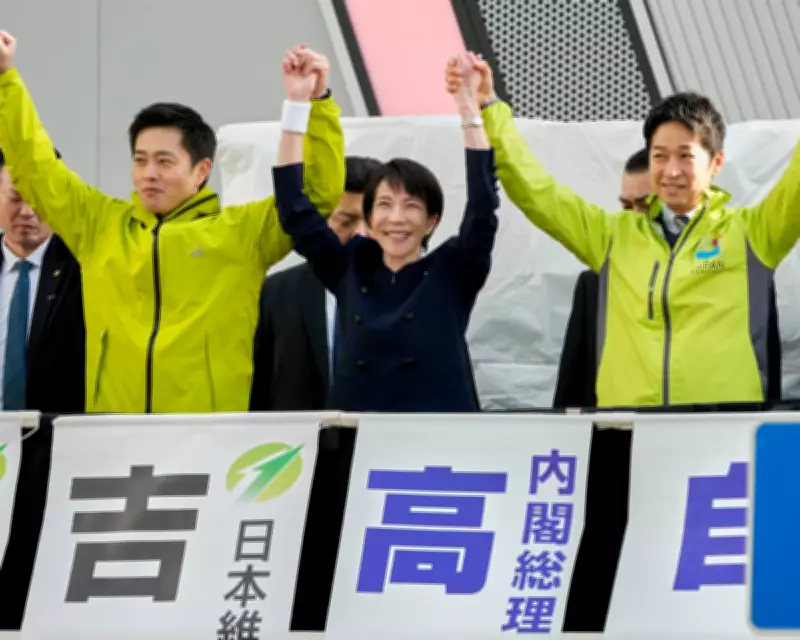
Sanae Takaichi's Unprecedented Youth Appeal in Japanese Politics
In a striking political development, Japan's first female Prime Minister, Sanae Takaichi, has cultivated an extraordinary level of support among young voters, defying conventional expectations. Despite her socially conservative stance on issues like same-sex marriage and marital surname reforms, which typically alienate progressive youth, Takaichi's approval ratings among 18 to 29-year-olds reached a remarkable 92% in a recent Sankei Shimbun/FNN poll. This phenomenon suggests a significant shift in voter priorities, with economic concerns taking precedence over ideological alignment in contemporary Japan.
A Modern Leader in a Traditional Political Landscape
Sanae Takaichi represents a departure from Japan's often staid political leadership, bringing a bold and media-savvy approach to the role. Unlike previous prime ministers who gained notoriety for unflattering viral moments, Takaichi has generated positive attention through her diplomatic engagements and modern leadership style. A notable example includes a widely shared clip of her drumming with South Korean President Lee Jae Myung to popular K-pop music, which enhanced her image as a capable and relatable leader navigating complex geopolitical challenges.
Her popularity has even spawned a dedicated fandom known as "Sana-katsu," reminiscent of idol culture rather than political support. Admirers circulate clips of her public appearances and emulate her style, down to using the same pen, highlighting her unique cultural resonance. This level of personal connection is unprecedented for a Japanese prime minister and underscores her ability to engage with younger demographics through contemporary media channels.

The Economic Imperative Driving Youth Support
The paradox of Takaichi's appeal among young voters becomes clearer when examining Japan's economic landscape. For many in their 20s and 30s, life has become increasingly unaffordable due to stagnant wages, rising living costs, and a weakening yen that erodes purchasing power. Additionally, young people face a lopsided social contract, paying higher taxes and social insurance contributions while doubting the sustainability of future pensions in an ageing society. Official projections illustrate this strain, with the ratio of workers supporting each elderly person plummeting from 7.7 in 1975 to just 1.9 by 2025.
In this context, Takaichi's economic messaging has struck a chord. She has championed tax relief measures, including raising the income-tax threshold and expanding deductions designed to boost take-home pay. For young workers watching their monthly deductions increase while real income declines, these promises offer tangible hope. The prime minister's focus on economic relief resonates deeply with a generation grappling with the rising cost of staples like rice, which has doubled in price within a year, and the challenges of starting families on single incomes.
Navigating Political Challenges and Voter Skepticism
As Takaichi calls a snap election for 8 February, her campaign hinges on maintaining this youth support while addressing broader voter concerns. However, recent reports indicate her approval ratings have slipped as skepticism grows regarding the effectiveness of her stimulus package in combating rising costs. Critics question whether temporary tax breaks on essentials will provide lasting relief, and concerns about increased national debt to fund these measures have further complicated her economic narrative.
Moreover, Takaichi faces scrutiny over political optics, including her party's re-endorsement of figures previously linked to a slush-fund scandal. In 2023, multiple members of her party were found to have received undeclared funds totalling nearly 600 million yen, raising questions about accountability. The timing of the snap election itself has been criticised as a cynical attempt to capitalise on polling peaks rather than serving the national interest.

The Charisma of an Outsider in a Dynastic System
Part of Takaichi's undeniable appeal lies in her status as a political outsider in a system dominated by dynastic succession. In a landscape where many male politicians inherit Diet seats like family property, her rise to the top as a woman in a challenging political culture stands out. Young voters, particularly those disillusioned with traditional politics, are drawn to her boldness and perceived ability to "make things happen," even if they disagree with her social policies.
Yet, as Japan confronts real problems like demographic decline, economic instability, and geopolitical tensions, there is growing awareness that charismatic leadership alone may not suffice. The experience of other countries with outsider narratives serves as a cautionary tale, reminding voters to distinguish between compelling imagery and effective governance. For now, Takaichi's economic promises continue to capture young imaginations, but whether this translates into long-term political realignment remains to be seen.