Juan Carlos Seeks Hero's Return from Exile Amid Spain's Murky History
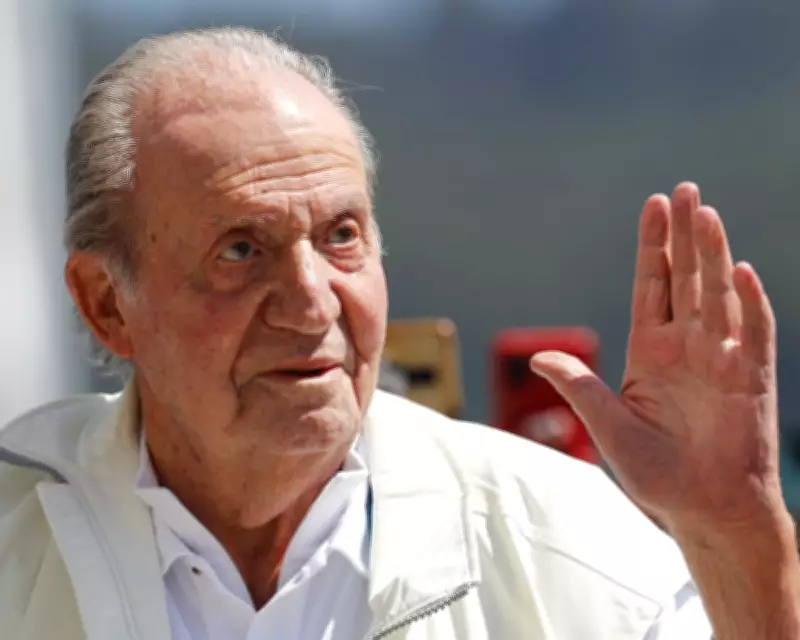
Disgraced former Spanish monarch Juan Carlos is determined to return from his self-imposed exile in Abu Dhabi as a national hero, but Spain's complex and often obscured historical record continues to haunt his legacy. The ex-king, who abdicated in 2014 following a series of scandals, finds himself stranded in the Gulf while newly declassified government files simultaneously support and complicate his narrative of having saved Spanish democracy.
The Fall from Grace
Juan Carlos's reign, which began in 1975 after being handpicked by dictator Francisco Franco, was marked by numerous controversies including extramarital affairs and financial investigations. The breaking point came in 2012 during the eurozone crisis when the king broke his hip while on an elephant hunting trip in Botswana with former girlfriend Corinna zu Sayn-Wittgenstein-Sayn. At a time when Spaniards faced severe economic hardship, the optics of a lavish, reportedly free hunting expedition proved disastrous. Within two years, Juan Carlos abdicated, passing the crown to his son Felipe VI.
The scandals only intensified after his departure from the throne. In 2018, his son-in-law Iñaki Urdangarín began serving a nearly six-year prison sentence for corruption-related crimes. Two years later, Juan Carlos fled to Abu Dhabi amid revelations about a $100 million payment from Saudi Arabia's royal family into his secret Swiss bank accounts. While Swiss authorities eventually dropped their investigation for lack of evidence, the former king admitted failing to declare millions in income to Spanish tax authorities, paying over €5 million in back taxes and fines.

The 1981 Coup Attempt and Historical Ambiguity
The Spanish government's recent decision to declassify 167 files related to the 1981 coup attempt has provided both vindication and frustration for historians and the public alike. On February 23, 1981, civil guard officer Lt Col Antonio Tejero led 200 soldiers into parliament, taking 350 deputies hostage for 18 hours in an attempt to restore military rule. The coup plotters believed they had Juan Carlos's support, but the king ultimately appeared on television in his commander-in-chief uniform to denounce the rebellion, consolidating his reputation as democracy's savior.
However, the released documents represent only a fraction of what was once a much larger archive. Crucial materials have disappeared over decades, including court documents published by El País five years ago and military records about parallel coup activities in Valencia. Veteran journalist Antonio Rubio possesses copies of missing documents, including one featuring double agent Catalina Abad who reported that two generals threatened Prime Minister Adolfo Suárez with pistols in the king's presence shortly before the coup attempt.
The Campaign for Rehabilitation
From his Abu Dhabi residence, which has become something of a "golden cage," the 88-year-old former monarch has launched a campaign to restore his reputation and return to Spain. His memoir "Reconciliation," published late last year, has remained among Spain's 100 bestselling books for three months despite being widely criticized as self-congratulatory and unrevealing. Conservative politicians have supported his efforts to return, with Spanish media reporting that Juan Carlos believes he will be received as a hero.
The former king has indicated he intends to return through what bullfighters call the "puerta grande"—the main gate through which triumphant matadors exit the arena—by resuming residence at Madrid's La Zarzuela palace. Royal officials have made clear that if he returns, he must pay taxes like any other citizen, including on gifts, and no longer receives a royal stipend, leaving his current income sources mysterious.
Unresolved Questions and Historical Accountability
While novelist Javier Cercas, author of the definitive account "Anatomy of a Moment," believes the new documents settle the debate about Juan Carlos's role in the coup—"Juan Carlos did not mount the coup. He stopped it"—significant questions remain unanswered. Historians continue to seek information about the coup's civilian backers, its funding sources, and the full extent of the former king's financial dealings.

Spain's severe state secrecy act, written by Franco in 1968 with no declassification timeline, has protected those who may have hidden or destroyed crucial historical documents. Attempts to reform this law have been blocked by rightwing parties including Catalan nationalists, raising questions about what might remain concealed. For a truly honest accounting of Juan Carlos's legacy and Spain's democratic transition, access to all relevant files and a new official secrets act appear essential.
The former monarch likely did play a crucial role in saving Spanish democracy and deserves recognition for leading the country out of dictatorship. Yet his lack of humility, ongoing financial mysteries, and Spain's incomplete historical record continue to complicate what might otherwise be a straightforward narrative of redemption and return.