Federal Judge Halts Justice Department Subpoena of Fed Chair Jerome Powell
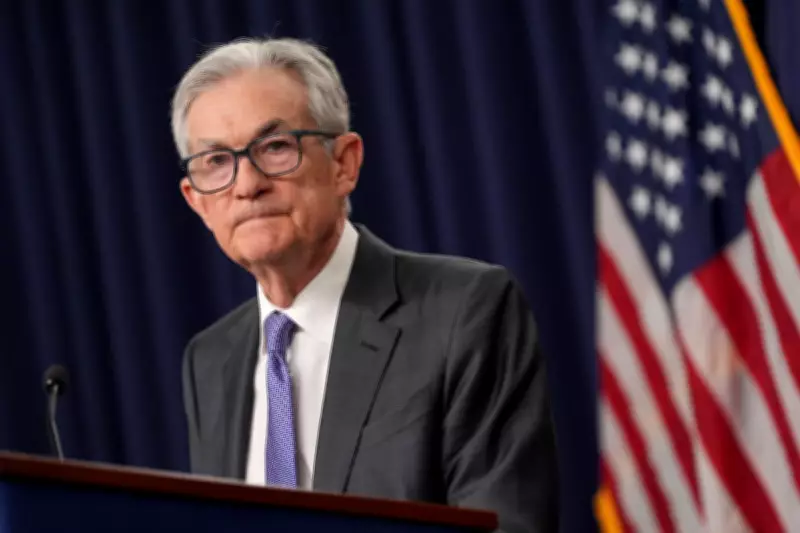
A federal judge issued a decisive ruling on Friday, blocking the Justice Department from serving subpoenas to Federal Reserve Chair Jerome Powell. The investigation was purportedly focused on the management of the central bank's renovation projects, but the court found substantial evidence suggesting ulterior motives.
Investigation Seen as Threat to Fed Independence
Powell first disclosed this surprising investigation on January 11, characterizing it as a direct threat to Federal Reserve independence. He described the move as part of the Trump administration's broader efforts to pressure the Fed into cutting interest rates. The judge's ruling strongly supported this interpretation, noting a "mountain of evidence" indicating the investigation was designed to either force Powell to lower rates or resign from his position.
Chief Judge James Boasberg of the DC District Court wrote: "The government has produced essentially zero evidence to suspect Chair Powell of a crime; indeed, its justifications are so thin and unsubstantiated that the Court can only conclude that they are pretextual."

Political Fallout and Republican Opposition
The ruling has created immediate political repercussions. Republican Senator Tom Tillis stated on Friday that any appeal by the Trump administration in this Justice Department case "will only delay the confirmation of Kevin Warsh as the next Fed chair." Tillis represents a small but vocal group of Republicans who have opposed the Justice Department's investigation into Powell.
The senator has vowed to vote against Trump's nomination of Warsh to replace Powell until the investigation into the current Fed chair is fully resolved. This creates a significant obstacle for the administration's plans to install a new Federal Reserve leadership.
Escalating Tensions Between Trump and Powell
Donald Trump has taken an increasingly hostile stance against Powell, despite having appointed him as Fed chair in 2018 during his first term. Over the past year, Trump has publicly called Powell "stupid" and "too slow" for not bringing down interest rates more aggressively, even as markets reacted with volatility to these presidential attacks.
Last summer, Trump escalated his criticism by accusing Powell of "fraud" related to renovations at the Federal Reserve headquarters in Washington DC that exceeded their budget. Powell has consistently denied these allegations and characterized the Justice Department's investigation as a "pretext" for pressuring the Fed to implement lower interest rates.
Leadership Transition and Institutional Stability
While Kevin Warsh appears willing to help implement Trump's agenda for lower interest rates, Powell's term as chair officially ends in May. The current Fed chair has not announced whether he will remain on the Federal Open Market Committee (FOMC), the board that sets interest rates for the nation.
Though it's standard practice for a Fed chair to leave the board completely after their term ends, Powell's seat on the board technically doesn't expire until January 2028, creating potential complications for any leadership transition.
Parallel Legal Challenges at the Supreme Court
Meanwhile, the Supreme Court must still rule on a separate case involving Fed Governor Lisa Cook, who brought legal action against Trump after the president attempted to fire her last summer. During court hearings in January, justices appeared resoundingly skeptical of granting the president such extensive power over the Federal Reserve, given the institution's critical influence over the national economy.
Trump alleged that Cook committed mortgage fraud by listing multiple properties as her primary residence on mortgage applications to secure better rates. Cook has denied these allegations, and her legal team has pointed out that other government officials, including US Treasury Secretary Scott Bessent, have made similar discrepancies on their applications. A Supreme Court ruling on Cook's case is expected by June.
This complex legal landscape underscores the ongoing tensions between presidential authority and central bank independence, with significant implications for monetary policy and economic stability.