Kingston upon Thames 2026 Elections: Third Party Threatens Lib Dem Stronghold
In the leafy heartlands of southwest London, where Liberal Democrat campaigns have historically focused on issues like opposing planning applications and demanding new retail branches, an unexpected political shift is brewing. The Kingston Independent Residents Group has emerged as a serious third contender in what was traditionally a two-horse race between the Lib Dems and Conservatives.
The Liberal Democrat Fortress
Kingston upon Thames represents both the geographic and spiritual home of the Liberal Democrats. The borough is represented in the House of Commons by party leader Ed Davey, who has served as the Kingston and Surbiton constituency candidate since the 1990s. The Lib Dems currently control an impressive 88 percent of the 48-seat borough council, having secured 47.9 percent of the vote in the 2022 local elections.
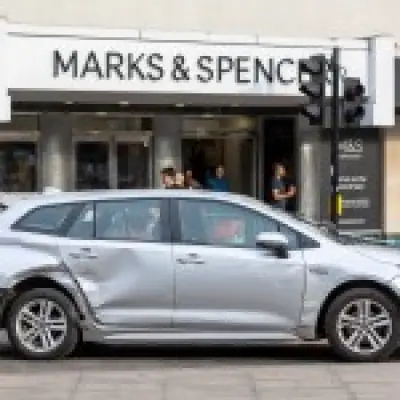
Local issues in Kingston have typically aligned with Lib Dem priorities, with news reports frequently covering residents opposing development projects and even campaigns to attract specific retailers like Marks & Spencer. However, despite controlling the council for most of the past three decades, the party's continued dominance is far from guaranteed in the upcoming 2026 elections.

Conservative Resurgence Potential
The political landscape in Kingston has shown volatility before. After maintaining a council majority for twelve years following 2002, the Lib Dems suffered defeat in 2014 when voters swung toward the Conservatives. Although they regained control in 2018, the Conservatives' 25.4 percent vote share in the last election means even a modest increase could significantly boost their current tally of just three council seats.
Council tax has emerged as a pivotal issue that could benefit the Conservative campaign. Changes to the government's funding model have placed wealthy areas like Kingston at a disadvantage regarding central funding, forcing the borough to raise local rates to compensate. This year, average Band D properties will see a £120 increase, representing a 4.8 percent hike that ranks among the highest in the UK and substantially exceeds the London average. This financial pressure on households might trigger a swing toward the Conservatives, traditionally viewed as the party advocating for lower taxes.
The Kingston Independent Residents Group Factor
The traditional Lib Dem-Conservative contest now faces disruption from the Kingston Independent Residents Group, a local party established in 2017. While KIRG secured only 5.7 percent of the vote in 2022, earning them a single council seat, they have since gained additional representation through a series of byelections.
Although no political analysts predict a KIRG takeover in 2026, their continued growth could prove strategically significant. If the local party manages to capture a few more seats, they might deprive both major parties of an overall majority, positioning KIRG as crucial powerbrokers in determining council leadership and policy direction.
The evolving political dynamics in Kingston upon Thames reflect broader shifts in London's local governance landscape, where traditional party strongholds face increasing challenges from grassroots movements and changing voter priorities.