From Prison to Prevention: A Knife Crime Offender's Powerful Message
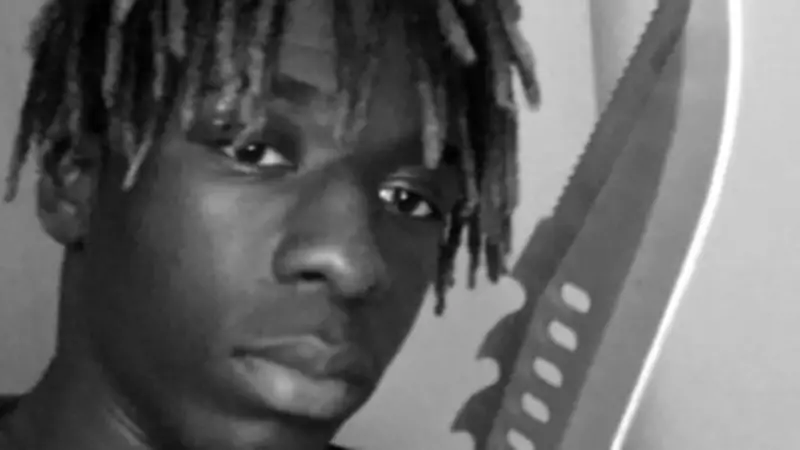
Michael Jibowu was once a perpetrator of knife violence, sentenced to prison for stabbing a teenager three times in the neck in 2022. Today, he has transformed into a campaigner dedicated to raising awareness about the devastating impacts of knife crime. His journey is now intertwined with a poignant art project designed to highlight the tragic loss of teenagers "lost to the streets."
A Confrontational Art Installation
At the Salmon Youth Centre in Bermondsey, southeast London, a stark scene unfolds: a white coffin is carried through the venue, evoking the somber atmosphere of a funeral. However, this is not a real burial but a carefully constructed installation titled Re-claim, created by multimedia artist Eugene Ankomah. Inside the coffin lies a large sculpture—a bloodied knife carved with the skyline of London, symbolizing the urban toll of knife violence.
The project guides visitors along what Ankomah describes as an "incident trail," simulating a crime scene to immerse them in the harsh realities of knife crime. One participant, dressed in a forensic suit, explains, "The idea is for visitors to experience what a crime scene feels like." Ankomah acknowledges the emotional weight of the installation, noting that some young people who have previously carried knives have broken down in tears upon viewing it. "I want them to have a change of heart, a change of mind," he says, emphasizing the confrontational nature of the artwork as a tool for social change.

A Personal Plea from a Former Offender
Within the installation, Michael Jibowu shares his harrowing story. Now 24 years old, he reflects on his past actions and their consequences. "Every single person I know that's carried a knife, they've either ended up dead or in a prison cell," he states. "Take it from me, I've gone to prison for stabbing someone. You don't have to listen to me, but the choice is yours. If you want to carry a knife, be ready for the consequences. I'm not saying it to scare you, I'm saying the reality."
Jibowu argues that while data on knife crime is important—recent figures show a drop below pre-pandemic levels, though offences remain over 50% higher than a decade ago—it fails to capture the human element. "Data helps," he admits, "but we need to understand the individual, why they are carrying knives. The key question we have to ask ourselves is why?" This introspection is at the heart of his advocacy, as he urges a deeper societal examination of the root causes behind youth violence.
Healing Through Art and Community
The installation also serves as a space for healing, particularly for families affected by knife crime. Sylvia Kane, whose son Eugene was stabbed to death in Mitcham, south London, in 2006 at age 16, finds solace in engaging with such projects. Describing her son's death as a "life imprisonment," she believes artwork like Ankomah's can be a powerful deterrent. "It is so visual. It touches your emotions in a way that other campaigns may not be able to," she says, highlighting the emotional resonance of the installation.
While measuring the direct impact of initiatives like Re-claim on behavior is challenging, they undeniably provide a platform for reflection, community dialogue, and potential transformation. By combining personal narratives with artistic expression, this project offers a raw and unfiltered look at the consequences of knife crime, aiming to inspire change and prevent future tragedies.