Labour Leadership Crisis Deepens as Starmer Survives Commons Rebellion
The most perilous moment of Keir Starmer's premiership unfolded on Wednesday afternoon, as mutinous whispers filled the Commons tea rooms. Anger simmered across the Labour Party, particularly among the 2024 intake of MPs, who felt tarnished by the sleaze allegations surrounding Peter Mandelson and his association with Jeffrey Epstein. Yet, despite widespread discontent, no challenger emerged to seize the opportunity.
Frontrunners Falter at Critical Juncture
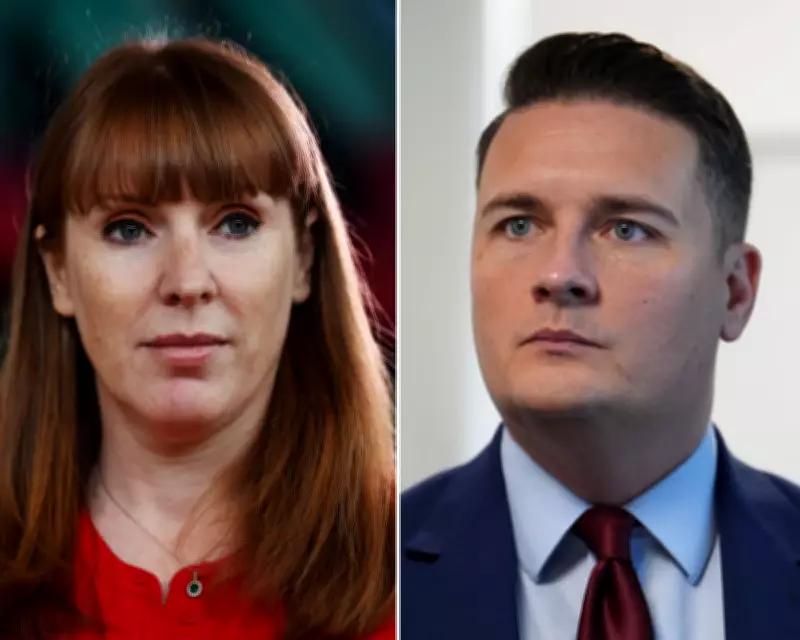
Angela Rayner and Wes Streeting, widely viewed as the leading contenders to replace Starmer, both hesitated when the moment demanded action. Rayner's stock rose after she intervened in the debate to prevent a government defeat over the release of Mandelson documents, but MPs noted she is awaiting an HMRC judgment on unpaid stamp duty—the very issue that forced her resignation. Streeting, absent at the critical time due to an NHS cancer plan launch, also faces scrutiny over his close friendship with Mandelson, now seen as a liability.
One 2024 intake MP lamented, "At about 2pm yesterday, if someone had pulled the trigger, we would have moved. No one dared. I think that says a lot." Another expressed contempt, stating, "Sometimes in politics, it's about leadership. We needed leadership." New MPs, who believed Labour would end Tory-style sleaze, now feel betrayed as their own party pioneered the use of humble addresses to disclose embarrassing communications.

Atmosphere of Exhaustion and Frustration
The rebellion lost momentum as the debate extended, with Conservative leader Kemi Badenoch's decision to prolong proceedings for four hours providing Starmer an unlikely reprieve. By 7pm, anger had given way to exhaustion, and a deal was struck, passing the vote without a formal count. Interventions by figures like Meg Hillier, Jess Phillips, and Alan Campbell helped avert defeat, but the underlying frustration remained.
Four MPs from the 2024 intake confided that they now doubt any candidate is brave enough to trigger Starmer's downfall. "If you are not brave enough to be first out of the traps, you don't deserve to be prime minister," one asserted. Rayner, while praised for her actions, did not offer the clean slate many sought. "I cannot see how the answer is someone who was only recently forced to resign herself," a new MP commented.
Potential Dark Horses and Lingering Threats
Some MPs are turning to alternatives, with defence minister Al Carns, a former Royal Marine currently in the North Pole, being seriously considered as a potential candidate to instigate a party clear-out. However, allies of Rayner and Streeting insist neither has plans to challenge Starmer, emphasizing that Rayner's focus is on her tax investigation and doing the right thing for the government.
Starmer's survival hinges on the lack of an obvious successor, as one senior MP noted, "The biggest thing Keir has going for him right now is that there's not an obvious successor." Downing Street sources confirm Starmer has no intention of resigning, with solid support from Chancellor Rachel Reeves and chief of staff Morgan McSweeney, who advocated for Mandelson's appointment.
Ongoing Risks and Future Embarrassments
The release of Mandelson documents poses a continued threat, potentially vindicating Downing Street's claim that Mandelson lied but also risking fresh embarrassments. The scope includes personal messages between ministers, advisers, and Mandelson, possibly involving Streeting or Rayner, though many may have been deleted via disappearing WhatsApp settings. This process, now out of No 10's control and in the hands of the intelligence and security committee, could take months, prolonging the crisis.
As the weekend approaches, the political landscape remains volatile. Even a potential by-election loss in Gorton is seen as priced-in, unlikely to shift dynamics. The Labour Party faces a leadership vacuum, with MPs ruing the absence of a decisive challenger while Starmer clings to power amid the damaging fallout.