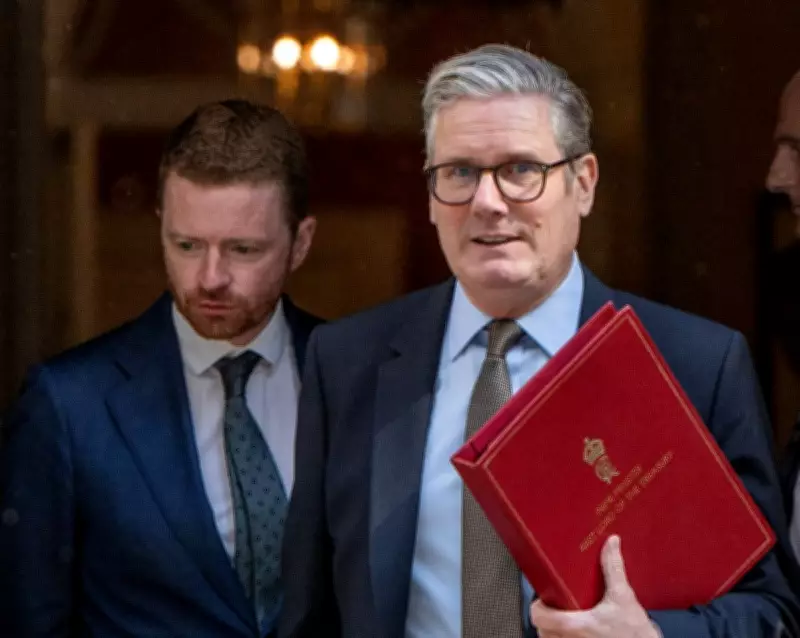
Starmer Confronts Internal Rebellion Over Mandelson Ambassador Scandal
Prime Minister Keir Starmer is confronting renewed and intensifying calls from within his own party to dismiss his most senior adviser, as the fallout from the Peter Mandelson appointment controversy continues to escalate. Labour MP Simon Opher has publicly joined the growing chorus demanding the removal of chief of staff Morgan McSweeney, who played a pivotal role in the decision to appoint Mandelson as US ambassador despite known concerns about his association with convicted sex offender Jeffrey Epstein.
Mounting Pressure from Labour Colleagues
In a striking intervention on BBC Radio 4's Today programme, Simon Opher, the Labour MP for Stroud, declared that Starmer needs to fundamentally overhaul his Downing Street advisory team. "Keir Starmer needs to change his advisers in Number 10," Opher stated unequivocally. "I think he's been badly advised, and he's been really let down, particularly on this decision."
Opher emphasised the critical importance of trustworthy political advisors, noting: "I know in politics we really rely on people to cover our backs, our advisers, and I think they patently haven't done this with Peter Mandelson. So we need a bit of a clear out really at No 10." When pressed specifically about whether this meant sacking McSweeney, Opher responded directly: "I think so, yes. If my chief of staff had done this I think he would be looking for another job to be honest."

Harman's Damning Assessment of Leadership
The criticism extends beyond backbench MPs, with former Labour deputy leader Harriet Harman delivering a particularly devastating assessment of Starmer's handling of the situation. Speaking on Sky's Electoral Dysfunction podcast, Harman argued that the Prime Minister's attempts to blame Mandelson for misleading him only served to undermine his leadership credibility.
"He has got to stop blaming Mandelson and saying 'he lied to me'," Harman asserted. "Because actually he should never have been considering him in the first place. And to say 'he lied to me' makes it look weak and naive and gullible. So it's just completely the wrong thing." This represents a significant intervention from one of Labour's most experienced figures, highlighting the depth of concern within party ranks.
Escalating Revelations from Epstein Files
The pressure on Starmer has intensified dramatically following new disclosures from the Epstein files in the United States, which have revealed disturbing details about the relationship between Mandelson and the late financier. These revelations include documents suggesting Epstein provided Mandelson with substantial financial transfers, including one payment of $75,000 (approximately £55,000), which Mandelson has claimed he cannot recall.
Perhaps more damaging are indications that Mandelson shared sensitive government information with Epstein during his tenure at the heart of Gordon Brown's administration. These revelations have fundamentally altered the context of Mandelson's appointment, raising serious questions about the vetting process and decision-making that led to his selection for one of Britain's most sensitive diplomatic postings.
Government Response and Document Release
Downing Street has attempted to manage the escalating crisis through a combination of public statements and procedural responses. Despite the mounting calls for McSweeney's dismissal, Number 10 maintained on Thursday that the chief of staff retains the Prime Minister's full confidence. However, this assertion appears increasingly at odds with the growing discontent among Labour parliamentarians.
In a significant development, ministers are now preparing to hand over electronic communications with Mandelson after Starmer agreed to release documents related to the controversial appointment. The government has initiated discussions with parliament's intelligence and security committee regarding the publication of these files, although the committee has disputed this characterisation of their communications.

Political Calculations and Future Implications
Downing Street strategists believe that releasing the documents might actually alleviate pressure on Starmer by demonstrating the extent to which Mandelson allegedly deceived officials during the pre-appointment process. This calculation represents a high-stakes gamble, as the contents of these files could either defuse the crisis or provide additional ammunition to Starmer's critics.
Meanwhile, some Labour MPs have adopted a wait-and-see approach, indicating they will reserve judgment on whether to call for Starmer's resignation until they have examined the released documents. Immigration Minister Mike Tapp offered a defence of the Prime Minister on Friday, telling Sky News: "I believe if we stick with Keir Starmer, which we will, then that corner will turn faster and people will start to feel it."
Tapp acknowledged public anger while supporting Starmer's leadership: "I completely understand the anger and the distress at what's happened with Peter Mandelson's appointment. I completely agree with that, and that's why I'm really pleased to see a genuine, genuine apology from Keir Starmer."
The Prime Minister attempted to address parliamentary concerns on Thursday with a lengthy apology to Epstein's victims, though notably he apologised for believing Mandelson's "lies" rather than for making the appointment itself. This nuanced approach has failed to satisfy many critics, who argue that Mandelson should never have been considered given his documented connections to Epstein even after the financier's conviction for trafficking a child for sex.
As the government braces for the publication of the Mandelson appointment files within days, the political atmosphere remains tense. The coming revelations could either stabilise Starmer's position or trigger a more serious leadership crisis, with Labour MPs watching closely to determine whether the documents support the Prime Minister's narrative of having been misled or reveal more fundamental failures in judgment and process.