Labour Leader Faces Internal Revolt Over Controversial Ambassador Appointment
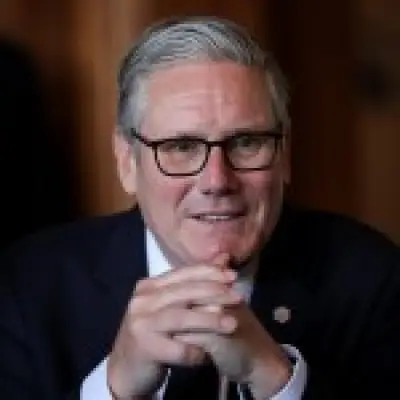
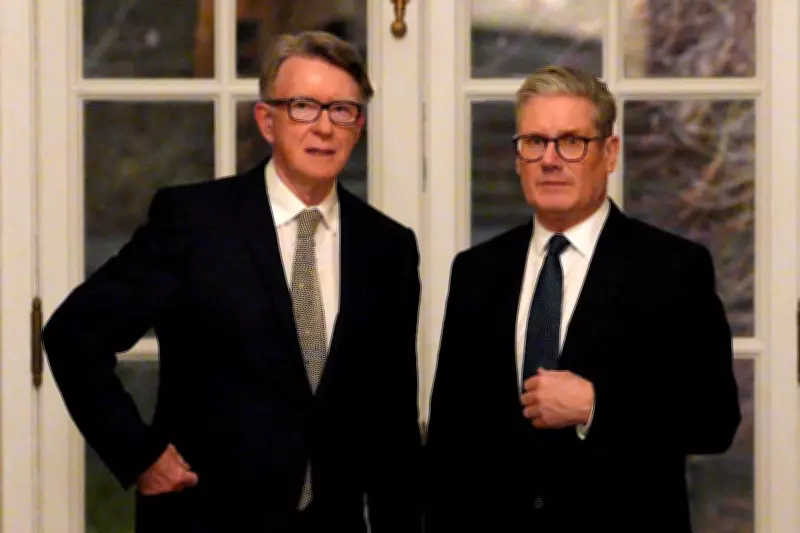
Sir Keir Starmer's authority within the Labour Party is facing a significant challenge following a dramatic parliamentary rebellion over his appointment of Peter Mandelson as ambassador to Washington. The Prime Minister was forced into a major climbdown after furious backbenchers demanded independent scrutiny of documents relating to Mandelson's vetting process.
Mounting Pressure Forces Parliamentary Retreat
Starmer's attempts to manage the release of files concerning Mandelson's background checks were effectively blocked by his own party members, who insisted on independent parliamentary oversight rather than Cabinet Office control. The rebellion, spearheaded by former deputy leader Angela Rayner and supported by opposition parties, resulted in the Intelligence and Security Committee being granted authority to review the documents and recommend necessary redactions.
This represented a substantial defeat for the Prime Minister, who had initially proposed allowing the Cabinet Office to handle sensitive material that might affect national security and international relations. Conservative leader Kemi Badenoch had earlier characterised this approach as tantamount to a "cover-up," urging Labour backbenchers to prevent Cabinet Office control over document publication.

Starmer's Admission and Regret
During Prime Minister's Questions, Starmer made the significant admission that he had been aware of Mandelson's continued relationship with Jeffrey Epstein following the financier's initial conviction for child sex offences in 2008. The Prime Minister stated this knowledge was based on publicly available news reports at the time.
Starmer expressed profound regret about the appointment, stating: "If I knew then what I know now, he would never have been anywhere near my government." He accused Mandelson of having "lied" about the nature of his relationship with Epstein throughout the vetting process and described the former business secretary as having "betrayed" his country, parliament, and the Labour Party.
Revelations and Ongoing Investigations
The controversy has been fuelled by the recent release of approximately three million files by the US Department of Justice, which revealed crude message exchanges between Mandelson and Epstein after the financier's initial release from prison. These documents have raised serious questions about the thoroughness of the vetting process conducted before Mandelson's diplomatic appointment.
Labour MP Andy McDonald criticised Starmer's judgment as "appalling" in appointing Mandelson to such a sensitive diplomatic position. Meanwhile, Emily Thornberry, chair of the foreign affairs select committee and a Labour MP, has expressed frustration about Mandelson's failure to appear before her committee to answer questions about his conduct as ambassador.
Internal Criticism Extends to Downing Street
The fallout from the Mandelson appointment has extended to Starmer's inner circle, with particular scrutiny falling on his chief of staff, Morgan McSweeney. Backbencher Simon Opher has questioned McSweeney's judgment and his close relationship with Mandelson, who once praised the chief of staff in glowing terms.
During parliamentary questioning, Starmer defended McSweeney as "central" to his government, but the connection has raised further concerns among Labour MPs about Mandelson's previous influence within government circles.
Legal Implications and Political Fallout
Mandelson now faces a police investigation regarding alleged leaks of market-sensitive information to Epstein during the height of the financial crisis, though he maintains there is no evidence of criminal wrongdoing. The former ambassador was dismissed from his Washington post last September, less than a year into his appointment, following the emergence of emails showing him expressing sympathy to Epstein about his conviction.

The parliamentary debate on the Conservative-led motion exposed deep anger among numerous Labour backbenchers, including prominent figures like John McDonnell and Paula Barker, regarding Starmer's handling of the entire appointment process. This internal rebellion represents one of the most significant challenges to Starmer's leadership since taking office, with implications for both party unity and government stability.