Labour Government Moves to Restore Electoral Commission Independence
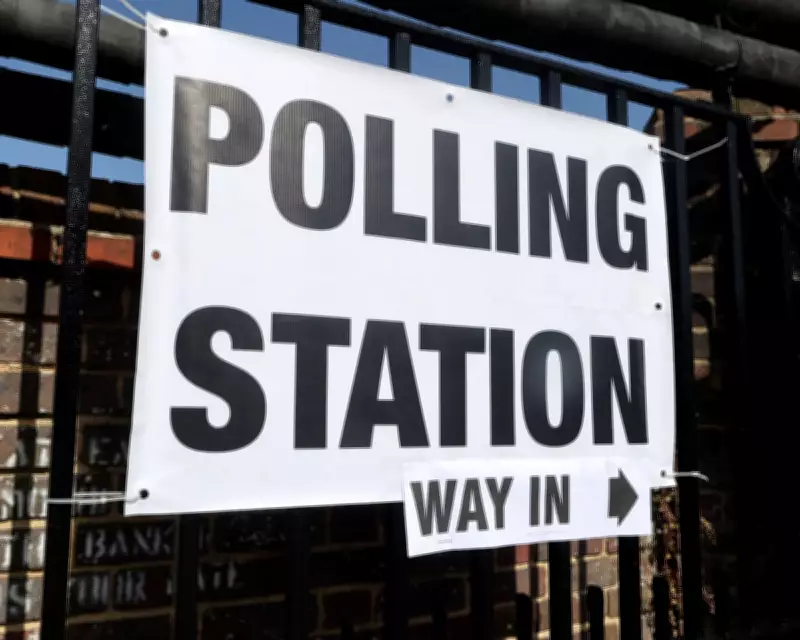
In a significant reversal of Conservative-era legislation, ministers have announced plans to repeal powers that granted the government direct control over the elections watchdog. The decision follows intense criticism from MPs and campaigners who warned that the provisions could be exploited by future administrations with authoritarian tendencies to undermine democratic processes.
Repealing Controversial Powers
Steve Reed, the Communities Secretary overseeing the new elections bill, confirmed to Parliament that he would "repeal in full the power for government to impose a strategy and policy statement on the Electoral Commission." These powers, established under the Conservatives' 2022 Elections Act, were widely condemned for potentially enabling political interference in the commission's independent enforcement and operational priorities.
A coalition of advocacy groups and cross-party MPs had urgently petitioned Keir Starmer's administration to address this issue within the Representation of the People bill. Their concerns were highlighted in a report by Spotlight on Corruption, which cautioned that the powers "could easily be abused to undermine our democracy."

Context of Electoral Controversies
This announcement arrives amidst a backdrop of electoral disputes, particularly from Reform UK. Following their defeat in the Gorton and Denton byelection, where they trailed the Greens by over 4,000 votes, Nigel Farage's party has alleged electoral misconduct. Farage has asserted that his party was "cheated," citing issues with proxy voting and what he describes as widespread corruption in postal voting systems, which he advocates restricting significantly.
During a Commons debate, Reform MP Danny Kruger controversially claimed that many UK voters from Asian backgrounds "take their orders on how to vote from mosques and from clans – often direct from Pakistan." In contrast, the Electoral Commission's analysis of the 2024 general election found high public confidence in the voting system, identifying the primary concern with postal voting as delays in ballot delivery rather than fraud.
Cross-Party Support for Independence
The move to restore the Electoral Commission's autonomy has garnered support from multiple political factions. Liberal Democrat Cabinet Office spokesperson Lisa Smart welcomed the decision while emphasizing the need to "further strengthen the Electoral Commission in the face of historic threats to our democracy." Green MP Ellie Chowns echoed this sentiment, and Labour MP Valerie Vaz expressed delight, stating, "A government of any kind should not be interfering with the Electoral Commission. It should get no direction from a government."
Tom Brake, chief executive of the Unlock Democracy campaign, praised the action, noting, "This power risked opening the door to political influence over the elections' regulator. Scrapping it is a decisive step towards rebuilding public trust."
Broader Electoral Reforms
The Representation of the People bill encompasses additional transformative measures, including:
- Extending voting rights to 16- and 17-year-olds
- Implementing trials for automatic voter registration
- Relaxing Conservative-introduced voter ID requirements, with potential inclusion of digital identification methods
Reed indicated that these adjustments aim to modernize the electoral framework and enhance accessibility, reflecting a broader commitment to safeguarding democratic integrity against emerging challenges and ensuring the UK aligns with international standards for electoral oversight.