Liberal Party's Preference Strategy Boosts One Nation in South Australian Election
In a significant political development, analysts have confirmed that the Liberal party's decision to place One Nation ahead of the Labor party in preference voting at last Saturday's South Australian election has directly handed seats to the rightwing, populist party. This move comes despite Labor securing a thumping majority in the election, while the Liberal party trailed behind Pauline Hanson's party on primary votes.
Seat Allocations and Electoral Impact
One Nation is set to have at least two seats in the upper house, led by former federal senator Cory Bernardi. In the lower house, while only one seat has been officially declared for One Nation so far, the party is likely to win more as votes continue to be counted. On Tuesday, One Nation boldly declared itself "the real opposition in SA," even though it will be outnumbered by the Liberal party in parliament.
Clem McIntyre, an emeritus professor of politics at Adelaide University, explained the mechanism behind this outcome. "Seats that One Nation are going to win will be won on Liberal party preferences," he said. "In each case, it's going to be Labor or Liberal coming third, and if the Liberals fall below Labor, they'll get eliminated, and the preferences will flow to One Nation. This strategy has provided a means for One Nation to gain seats they wouldn't have otherwise won, granting them credibility and attention in the House of Assembly."

Historical Context and Strategic Shifts
This preference strategy marks a departure from historical Liberal party tactics. John Howard, a former prime minister and Liberal elder, famously advocated placing One Nation last on how-to-vote cards. However, in 2017, he endorsed a deal with the party in Western Australia, and in 2025, then-leader Peter Dutton made a similar agreement to put One Nation second—though neither campaign resulted in victory.
Dr. Rob Manwaring, a political scientist at Flinders University, commented on this shift. "This is a very different strategy from the John Howard era, where both major parties acted almost like a cartel against the radical populist party," he said. "I presume the Liberals assumed preferencing One Nation would benefit them, but it hasn't turned out that way. In a sense, they should be grateful for Labor preferences that helped them secure the handful of seats they did get." Notably, One Nation did not reciprocate by preferencing the Liberals.
Leadership Responses and Future Implications
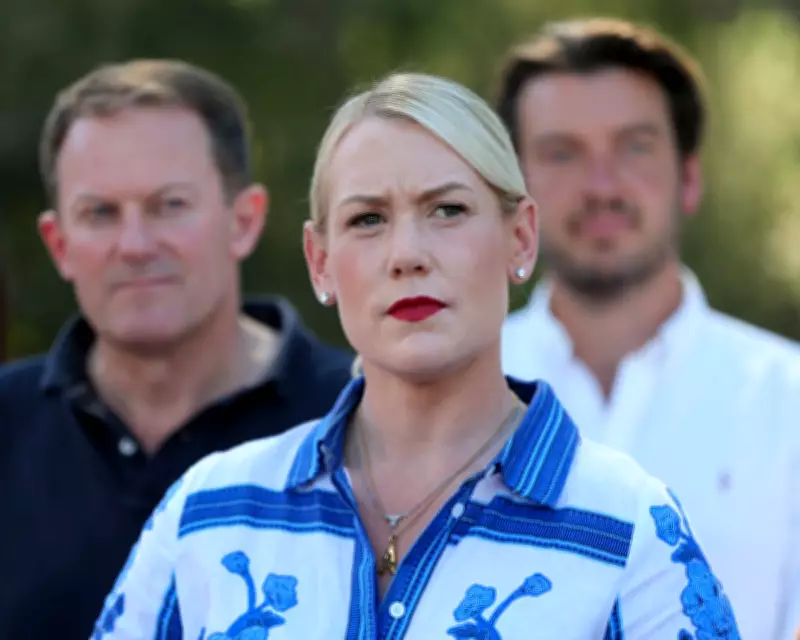
Liberal leader Ashton Hurn defended her party's decision, stating that placing One Nation ahead of Labor was "a vote of no confidence in the government" but emphasized it was "far from" a vote of confidence in One Nation. "You've got to put people somewhere on the ballot," she added. When asked if the party would review this preference decision, Hurn told ABC Adelaide that they would evaluate everything, including preferences, as results continue to fluctuate.
Meanwhile, former Liberal premier of Victoria Jeff Kennett urged the Coalition and One Nation to preference each other ahead of Victoria's election in November, highlighting the ongoing national implications of such strategies.
Electoral Numbers and Analysis
As votes are still being tallied and preference flows calculated, Labor and Premier Peter Malinauskas's victory was declared early on election night. By Tuesday afternoon, Labor's primary vote stood at 31.8%, One Nation's at 22.4%, and the Liberal party's at 19.2%. The Electoral Commission of South Australia had not declared any seats for One Nation, with 27 for Labor, seven for the Liberal party, and one for an independent, but adjustments were ongoing.
According to ABC reports, Labor held 32 seats, the Liberals four, two independents, and Ngadjuri for One Nation, with One Nation "likely" in Hammond and "ahead" in Narungga and MacKillop. Electoral analyst Ben Raue noted that Liberal preferences helped One Nation win Ngadjuri and could assist in Hammond and MacKillop. He added, "The other dynamic is that Labor won in a landslide. If Labor's vote was five points lower, One Nation could be competitive in more fringe seats. Does it matter that the Liberals preferenced One Nation? Absolutely."

This election outcome underscores the complex interplay of preference voting in Australian politics, with long-term consequences for party strategies and parliamentary composition.