Lionel Jospin, French Socialist Leader, Dies at 88 After 2002 Election Shock
Lionel Jospin, the former Socialist prime minister of France, has passed away at the age of 88. His political career was defined by a seismic defeat in the 2002 presidential elections, which sent shockwaves through the nation and altered the trajectory of French politics.
The 2002 Presidential Election: A Political Earthquake
In the lead-up to the first round of the French presidential election in April 2002, Lionel Jospin was widely expected to advance to the second round against incumbent Jacques Chirac. Opinion polls consistently showed the two candidates in a tight race, with Jospin as a firm favorite to potentially become the next leader of France.
However, on the evening of Sunday, April 21, 2002, the results delivered a stunning blow. Jospin was pushed into third place by Jean-Marie Le Pen, the leader of the far-right National Front. This outcome eliminated Jospin from the race and left the political establishment in a state of profound disbelief.

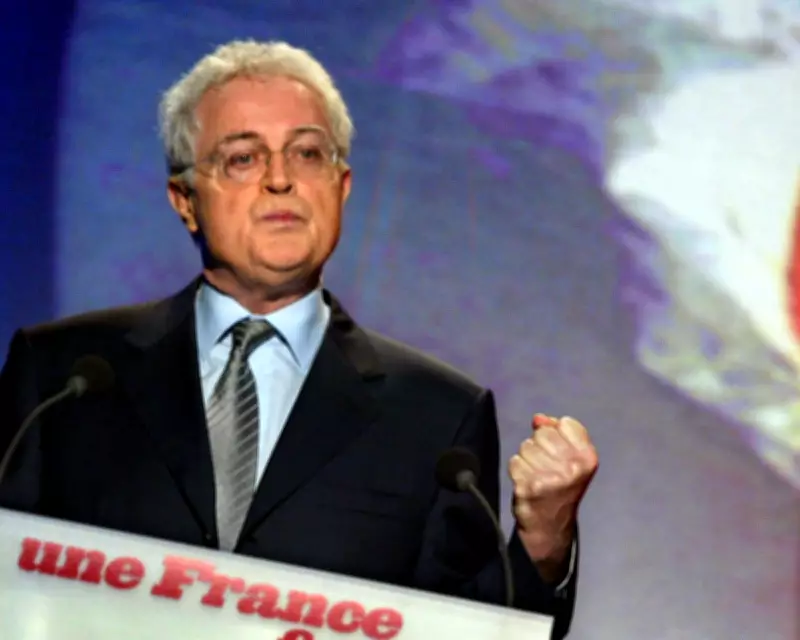
Outside the Socialist party headquarters in Paris, devastated supporters gathered in tears as Jospin addressed the crowd. He described the defeat as "a bolt from the blue" and announced his immediate withdrawal from political life. "I take full responsibility for this defeat and I am drawing the necessary conclusions by stepping down from political life," he declared.
Political Legacy and Key Reforms
As prime minister from 1997 to 2002, Jospin oversaw significant social reforms that left a lasting impact on French society. His government introduced the 35-hour working week, expanded universal health coverage, and established civil partnerships for couples. These measures were part of his vision for a more equitable France, often summarized by his mantra: "The economy must serve people, not the other way around ... yes to the market economy, no to the market society."
Following his defeat, Jospin retreated into political exile. Jacques Chirac went on to secure a landslide re-election victory, bolstered by a united "Republican barrage" aimed at preventing Le Pen from gaining power. Jospin's loss is widely regarded as a political trauma for France, as it marked a pivotal step toward the mainstream acceptance of the far right, which had previously been considered unelectable.
Early Life and Political Ascent
Born on July 12, 1937, in Meudon, southwest of Paris, Lionel Jospin came from a Protestant family. His father, Robert Jospin, was a teacher and a member of the French section of the Workers' International (SFIO), though he was later expelled for collaborating with the Vichy regime. Jospin's relationship with his father was often tense, but he acknowledged that it helped build his confidence in political debates.
After completing his education at the Lycée Janson-de-Sailly and the Institute of Political Studies (Sciences Po), Jospin eventually gained admission to the prestigious École Nationale d'Administration. He began his career as a secretary at the foreign affairs ministry, while secretly participating in Trotskyist movements under a pseudonym.
Jospin joined the Socialist party after the May 1968 student uprising and later taught economics at Paris-Sceaux Technical University. He was elected as a member of parliament in 1981 and quickly rose through the party ranks. Under the mentorship of President François Mitterrand, Jospin became the party's first secretary in 1981 and served as education minister after Mitterrand's re-election in 1988.
Later Career and Personal Life
After losing his parliamentary seat in 1993, Jospin briefly considered retiring from politics but made a comeback in 1995 with his first presidential bid, narrowly losing to Jacques Chirac. In 1997, he led a left-wing coalition to victory in the general election and was appointed prime minister, overseeing France's transition to the euro currency in 2002.
In the 2002 presidential campaign, Jospin's failure to unify left-wing factions and his personal attacks on Chirac contributed to his downfall. The election, held during school holidays, saw high voter abstention, further complicating his chances.

Jospin remained largely absent from daily politics after his defeat, though he served on France's constitutional council from 2014 to 2019. He is survived by his second wife, philosopher Sylviane Agacinski, and their son, Daniel, as well as two children from his first marriage.
His legacy endures as a cautionary tale in French political history, reminding observers of the unpredictable nature of elections and the enduring impact of far-right movements.