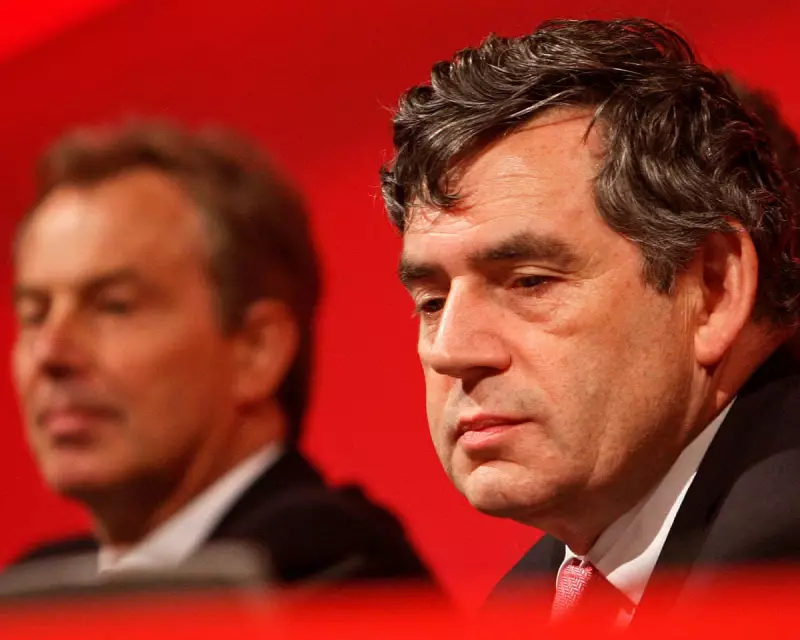
Newly released government files have exposed a stark warning delivered to Tony Blair ahead of the 2005 general election: manage the simmering tensions with his Chancellor, Gordon Brown, or risk a campaign wrecked from within by Brown's allies.
The Insider Threat to Labour's Campaign
The confidential advice came from Peter Mandelson, a key Blair ally, in the autumn of 2004 as Labour prepared to seek an unprecedented third consecutive term in office. According to the documents, now held at the National Archives in Kew, west London, Mandelson cautioned that the deep rift between the Prime Minister and his next-door neighbour in Number 11 needed careful handling during the election period.
The core of the dispute was Brown's belief that Blair had reneged on a promise to step down before the end of the second term, allowing the Chancellor to assume leadership. This bitterness, Mandelson implied, created a volatile environment where Brown's supporters could undermine the campaign.
"Insider Demolition" and Media Battles
In his briefing, Mandelson highlighted the delicate challenge of involving Brown's team without granting them destructive power. He wrote that a significant issue would be "agreeing where GB’s people can be included without giving them a veto or scope for insider demolition."
He further analysed Brown's likely motivations, suggesting that while the Chancellor would desire a healthy parliamentary majority to eventually inherit, he would be conflicted about Blair receiving the credit for achieving it. "Next door will want a good majority but will not want you to do well," Mandelson told the Prime Minister.
Managing the Post-Iraq Media Landscape
Beyond the internal party strife, Mandelson's advice also covered external communications. He stressed the importance of winning back "what passes for the 'left' media," which had become deeply alienated by Britain's involvement in the 2003 invasion of Iraq.
In a pointed recommendation, he advised that Alastair Campbell, Blair's former formidable communications chief, should be kept in the background. Campbell had resigned amid the controversy over the government's dossier on Iraqi weapons of mass destruction. "Be careful about AC – he is indispensable but must be equally invisible," Mandelson warned, indicating that Campbell's profile could antagonise the very media outlets they needed to placate.
A Temporary Truce and Lasting Legacy
Historically, Blair and Brown did manage to paper over their differences sufficiently to present a united front during the 2005 campaign, which Labour went on to win. However, the fragile truce was short-lived, and the profound tensions quickly resurfaced once the party returned to government, defining the latter years of Blair's premiership.
These released files offer a compelling glimpse into the high-stakes internal politics that threatened to derail a major election campaign, revealing the extent to which personal rivalries and broken promises shaped the strategies at the very top of the Labour government.