Morgan McSweeney's Resignation Signals a Critical Juncture for Labour
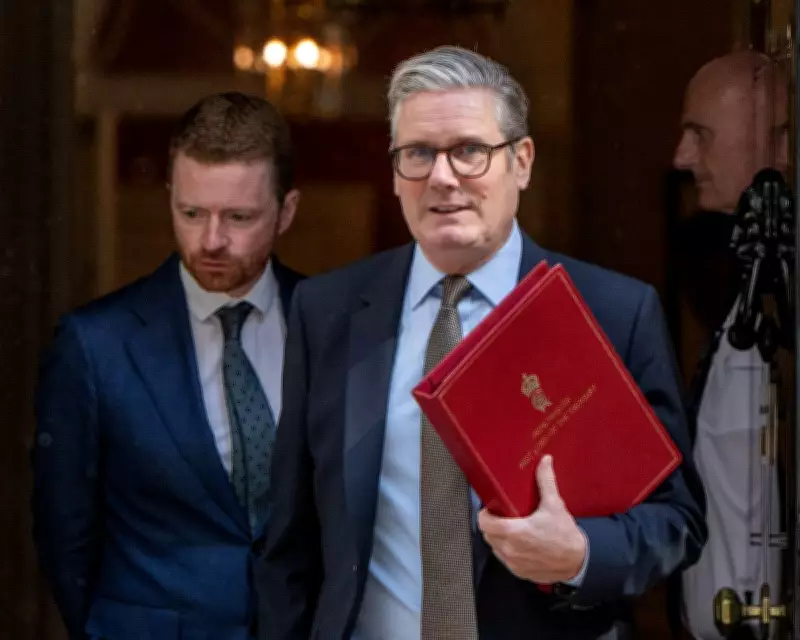
The departure of Morgan McSweeney from his senior role within the Labour Party represents a pivotal moment for Keir Starmer's government. McSweeney, often hailed as the architect behind Labour's dramatic recovery from the 2019 election defeat to its landslide victory in 2024, has stepped down amid growing internal pressures. This move comes after just 18 months in power, highlighting the turbulent start to Starmer's premiership.
A Legacy of Electoral Success and Government Struggles
McSweeney's strategic acumen was instrumental in orchestrating Labour's unexpected electoral triumph, defying pollsters and overturning Boris Johnson's substantial majority. However, the skills that propelled the party to victory have proven less effective in the day-to-day running of a government. His resignation follows a series of high-profile exits from Starmer's inner circle, including figures like Sue Gray and Liz Lloyd, raising questions about leadership stability at Number 10.
In a statement, McSweeney accepted full responsibility for advising on the controversial appointment of Peter Mandelson, a decision that has drawn criticism for pulling the party rightward. This shift aimed to recapture votes lost to Nigel Farage, despite polling suggesting a leftward move might attract Green and Liberal Democrat supporters. Yet, as many observers note, ultimate accountability rests with Keir Starmer, whose leadership has been marked by frequent U-turns and a perceived lack of political foresight.

The Path Forward for Labour
With three years remaining until the next general election, Labour faces a crucial opportunity to redefine its direction. McSweeney's exit removes a key influence associated with the Mandelson-era policies, potentially allowing the party to shed what some describe as "drag anchors" pulling it towards the right. Starmer's cabinet now has the chance to embrace more radical policies, such as electoral and House of Lords reform, which require political will rather than financial investment.
However, challenges abound. The Labour Party remains divided by factions, with potential leadership candidates hesitant to challenge Starmer during this crisis. The exclusion of Andy Burnham from a recent byelection, preventing his entry into any contest, has sparked further debate about internal dynamics. Meanwhile, external pressures like bond markets and intractable economic issues will continue to shape government decisions.
As Polly Toynbee argues in her Guardian column, McSweeney's fall offers a new beginning. Without him, there can be no more excuses for inaction. The cabinet must now decide whether to seize this moment and steer the government toward a bolder, more decisive future. The coming months will test whether Labour can unite and forge a clear path forward, or risk further instability ahead of the next election.