

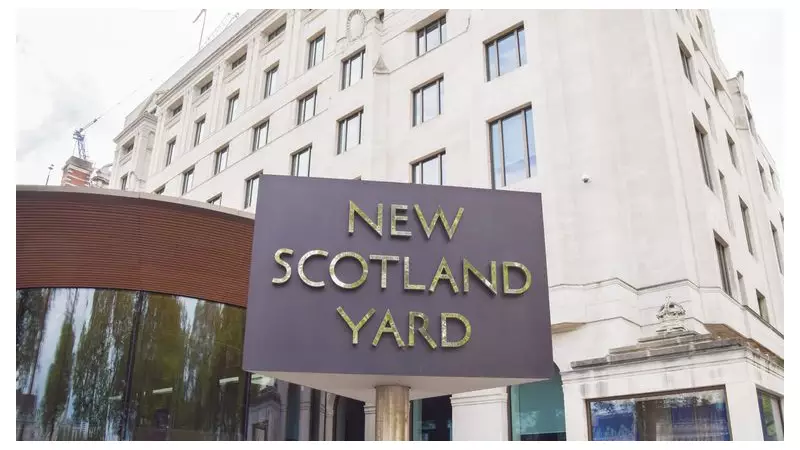
A devastating internal review has concluded that anti-black discrimination is fundamentally 'baked' into the Metropolitan Police's institutional design, with its systems, leadership, governance and culture actively producing racial harm.
The report, titled '30 Patterns Of Harm: A Structural Review Of Systemic Racism Within The London Metropolitan Police Service', draws on more than 40 years of evidence showing how racism has shaped the force's relationship with black communities and affected black officers and staff.
A Culture of Systemic Discrimination
Author Shereen Daniels stated that discrimination is structurally embedded within the force's human resources systems. She warned that 'plans that ignore this will always return to the same logic' of managing perception and avoiding meaningful change.

The review identified specific patterns of racial harm, finding that darker-skinned staff are frequently 'labelled confrontational' while lighter-skinned colleagues often receive quicker empathy and leniency from management.
Historical Context and Leadership Response
This latest examination follows Louise Casey's 2023 review, commissioned after the murder of Sarah Everard, which found the Met 'institutionally racist, misogynistic and homophobic'. The force has faced criticism spanning decades, including the landmark MacPherson report in 1999 that first labelled it 'institutionally racist' following the mishandling of Stephen Lawrence's murder investigation.
Metropolitan Police Commissioner Sir Mark Rowley described the new report as 'powerful' and acknowledged that it 'calls out that further systemic, structural, cultural change is needed'.
He revealed that trust among black Londoners has increased by 10% over two years but still trails behind other communities. Sir Mark pointed to initiatives such as New Met for London and the London Race Action Plan as evidence of the force's commitment to progress.
Victims' Families Demand Immediate Action
Baroness Doreen Lawrence, whose son Stephen was murdered in a racist attack in 1993, welcomed the report but noted it contained 'nothing that I did not already know'.
She stated unequivocally: 'Racism was the reason why Stephen was killed and racism was the reason why the police have failed to find all of his killers.'
Baroness Lawrence delivered a powerful message to police leadership: 'The police must stop telling us that change is coming whilst we continue to suffer. That change must take place now.'
Ms Daniels emphasised that systemic racism within the Met is not a matter of perception but documented fact, with reviews spanning almost 50 years consistently highlighting harm experienced by black Londoners, officers and staff.
She concluded that confronting anti-black discrimination represents 'a necessary foundation for safety, fairness and justice for everyone' and challenged the Met to build the leadership discipline needed to act on the report's findings in a way that protects the public rather than the institution.






