Midterm Elections 2026: A Nationwide Political Showdown
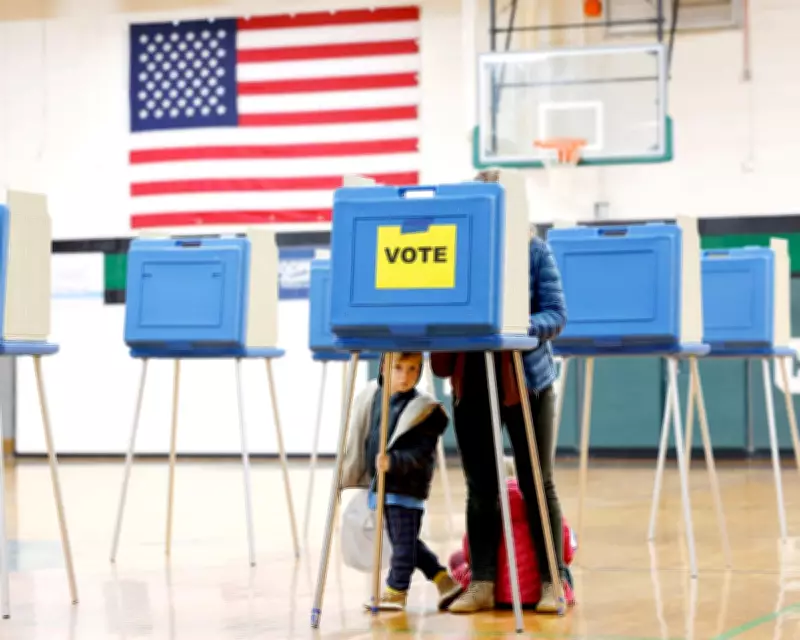
The 2026 midterm elections are underway, with voters across the United States heading to the polls in a pivotal moment for the nation's political landscape. These elections are crucial as they determine control of Congress and state governments, shaping policy directions for the coming years. With high stakes on the line, candidates are making their final appeals to voters, and turnout is being closely monitored by analysts and officials alike.
Texas: A Battleground of High-Profile Contests
In Texas, the midterm elections feature several key races that could influence the state's political future. Notable candidates include John Cornyn, a Republican incumbent senator, and Ken Paxton, the state's attorney general, both facing challenges from Democratic opponents. The race for the U.S. House of Representatives also sees competitive contests, with candidates like Talarico and Crockett vying for seats. Texas, traditionally a Republican stronghold, is witnessing increased Democratic efforts, making these races particularly significant for both parties.
Voter turnout in Texas is being closely watched, as early voting numbers suggest a potentially high engagement rate. Issues such as immigration, healthcare, and economic policies are dominating the campaign discourse, with candidates emphasizing their stances to attract voters. The outcome in Texas could signal broader trends for the Republican and Democratic parties nationally.

North Carolina and Arkansas: Critical State-Level Races
Moving to North Carolina, the midterm elections include important races for the U.S. Senate and House, as well as state-level positions. North Carolina is often considered a swing state, making its elections highly competitive. Candidates are focusing on topics like education funding, infrastructure development, and social issues to appeal to a diverse electorate. The results here could have implications for the balance of power in Congress.
In Arkansas, the political landscape is also active, with races for congressional seats and local offices. Arkansas, typically leaning Republican, sees candidates addressing concerns related to agriculture, rural development, and federal policies. The elections in Arkansas are part of a broader pattern in Southern states, where voter sentiment is being tested amid national political shifts.
Election Updates and Voter Engagement
Live updates from polling stations indicate varying levels of voter turnout across different regions. Election officials are reporting smooth operations in most areas, though some minor issues have been noted, such as long lines or technical glitches. Voters are expressing a range of motivations, from dissatisfaction with current leadership to support for specific policy proposals.
Analysts are highlighting the importance of these midterm elections in setting the stage for the 2028 presidential race. With control of Congress at stake, the results could impact legislative agendas on issues like climate change, healthcare reform, and economic recovery. Both parties are mobilizing their bases, using digital campaigns and grassroots efforts to drive voter participation.
As the day progresses, key battlegrounds like Texas, North Carolina, and Arkansas will be focal points for election night coverage. The outcomes in these states could determine whether the current political dynamics shift or remain stable, influencing national governance for years to come.