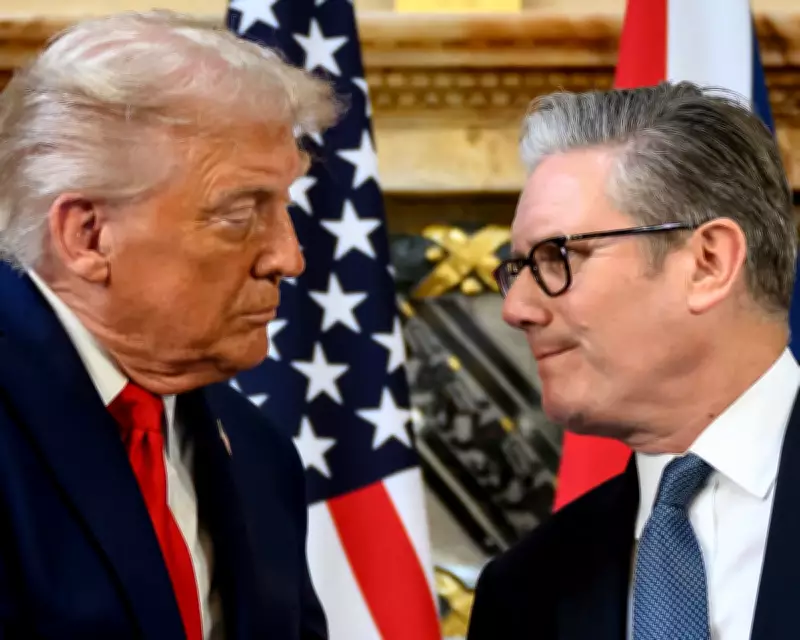
UK Minister Defends Starmer's Decision-Making Amid Trump's Criticism
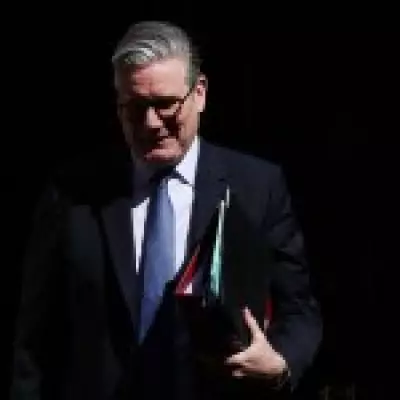
A senior government minister has firmly dismissed former US President Donald Trump's claim that Prime Minister Keir Starmer is "no Winston Churchill," defending Starmer's approach to recent international tensions as measured and principled.
Trump's Extraordinary Criticism of UK Leadership
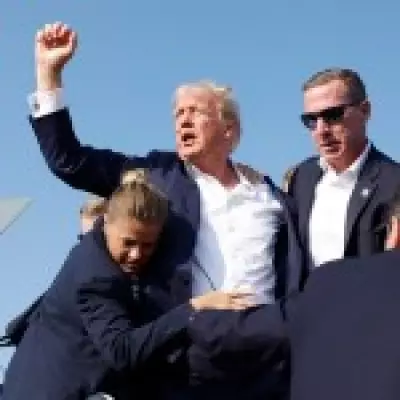
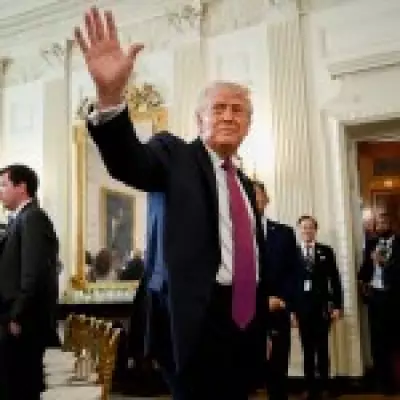
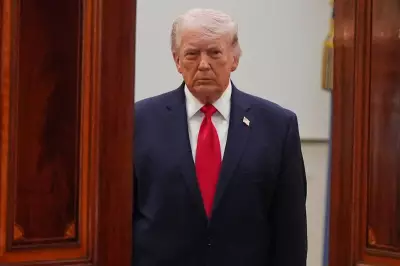
In his latest provocative remarks, Trump expressed dissatisfaction with the United Kingdom despite Starmer eventually permitting the US to utilize Diego Garcia for strikes against Iranian missile facilities. This marked the third instance within twenty-four hours that Trump publicly criticized Starmer for Britain's initial refusal to support offensive actions against Iran, highlighting his frustration with Western allies who didn't unequivocally endorse the military operations.
Chief Secretary to the Treasury James Murray responded directly to Trump's comments during an interview with Times Radio, stating: "No, look, President Trump has expressed his disagreement with the decision that we took about joining those initial strikes on Iran over the weekend. But I think what's really important when we think about that decision is to recognize that the prime minister took the decision he did in the national interest."

Defending Starmer's Deliberate Approach
Murray elaborated on Starmer's leadership style, emphasizing: "He's approached this with a cool head, with a real clarity of purpose, with a real focus and a determination to do the right thing for the British people. That's why we took the decision we did not to join those offensive actions, the initial strikes, a few days ago, but then when it came to a defensive action in order to protect British citizens, we stepped up and made sure that we are doing what we need to do to keep British people safe."
Trump had told The Sun newspaper that "the relationship is obviously not what it was" as a direct result of Starmer's decision-making process. In a separate interview with The Telegraph, the former president complained that Starmer took excessively long to authorize US access to UK military bases for the operations.
Strain on the Special Relationship
While Starmer has previously received praise for his ability to maintain a working relationship with the volatile former US president, he expressed reservations in Parliament about both the legality and strategic wisdom of US actions in Tehran. When questioned about whether Trump's remarks carried significance, Murray responded: "Well, I think, you know, the president has expressed himself using his words, but what's important for me is that the prime minister is taking the right decisions for the UK, and, of course, that the special relationship between the US and the UK continues. You know, we work together with the US, day in, day out."
Additional Security and Political Developments
In related developments, a Royal Navy destroyer is scheduled to arrive in Cyprus next week following Starmer's announcement that the vessel would be deployed to defend the country and British military installations there. This decision came after hostile drones targeted RAF Akrotiri on Monday, escalating regional tensions.
Foreign Secretary Yvette Cooper revealed that the UK government will charter a flight from Oman in the coming days, prioritizing vulnerable British nationals in the region as Iran continues retaliatory strikes against US-Israeli military actions. Cooper described the situation as "fast-moving" due to airspace closures and ongoing security threats.
Economic and Political Context
Chancellor Rachel Reeves insisted that Labour possesses "the right economic plan" for an increasingly uncertain global landscape as she delivered a spring forecast that downgraded growth projections for the current year. The UK now faces weaker economic expansion and higher unemployment rates than previously anticipated.
A new YouGov poll revealed a significant surge in support for the Green Party, which climbed to second place behind Reform UK, while Labour's support dropped to its lowest recorded level to date, indicating shifting political dynamics amid the international crisis.