A Community Under Siege: Reporting from the Heart of Minnesota's Crisis
As a journalist living in Minneapolis, I anticipated that Donald Trump would target Minnesota, given its role in the George Floyd protests, its progressive governance, and its diverse population. However, the sheer scale and brutality of the immigration enforcement campaign have shocked even the most prepared observers. What was promised as a political retribution against Democratic-led cities has unfolded as a violent crackdown, with 3,000 federal agents descending upon our community, bringing a level of aggression that has left residents reeling.
The Human Cost of Political Retribution
The Trump administration's actions, disguised as immigration enforcement, have resulted in tragedy after tragedy. In the past year, Minnesota has witnessed the targeted killing of a state lawmaker, a school shooting, and now, the deaths of two US citizens—Renee Nicole Good and Alex Pretti—at the hands of federal agents. Thousands have been swiftly detained or deported, many without criminal records, tearing families apart and creating a public health crisis as residents avoid healthcare out of fear.
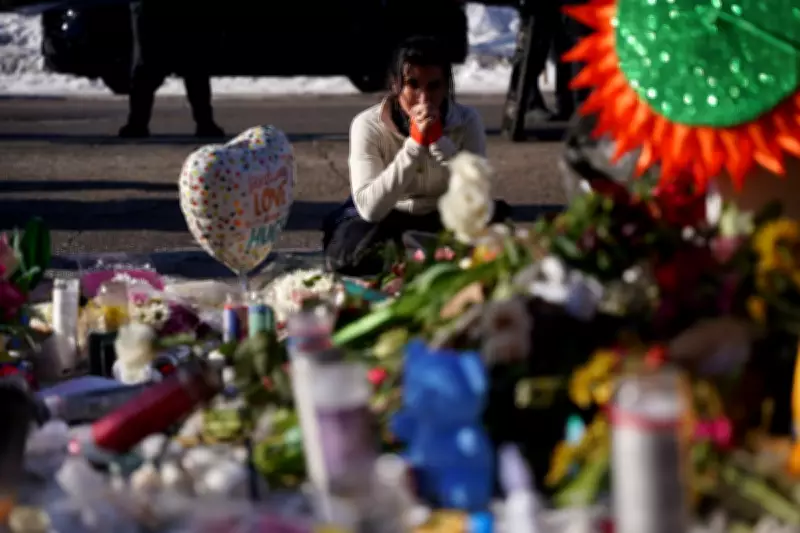
In my daily life, conversations with locals inevitably turn to the trauma we are all experiencing. Minnesotans, known for their stoic nature, are now openly grieving and supporting one another. I have cried with more people in a month than in my entire life, hearing stories of loved ones taken, children left confused, and schools half-empty. The psychological toll is immense, with nerves frayed and communities mobilizing through GoFundMe links and mutual aid drives to survive.

A Landscape of Fear and Resistance
While much of the media coverage focuses on Minneapolis, the suburbs have been hit hard too, often lacking the rapid response networks of the city. Residents drive around anxiously scanning for SUVs with blacked-out windows, a symbol of the ICE presence that has become all too familiar. One woman joked about seeing out-of-state plates on a Jeep Wagoneer, but the underlying fear is palpable. Car alarms now trigger immediate panic, unsure if they signal an accident or a warning about agents.
Despite this, there is no helplessness here. Most people are actively involved in the resistance, helping neighbors or protesting against ICE. As one city council member said after the Good shooting, "We're not going to go quietly. I like that about us." From grannies wearing anti-ICE coats to parents juggling childcare amidst the crisis, the community's resilience shines through.
Stories That Change Us Forever
I have witnessed scenes that will haunt me forever: Liam Ramos in his blue hat, Good's last words, families torn apart after decades in Minnesota, and people released into subzero temperatures from detention facilities. Yet, I have also seen the best of humanity. Outside the Whipple building, volunteers quickly set up operations to provide coats, phones, and rides to those leaving detention. Natalie Ehret of Haven Watch shared how interviewing a traumatized young man triggered a panic attack, reminding her of her son's battle with cancer.
She asked, "What are we doing to these young people?"—a question that should resonate with everyone. Even if ICE were to leave tomorrow, the scars will remain. Children will remember, families will never be the same, and trust will take years to rebuild.
The Aftermath and Unanswered Questions
On the day Good was killed, I watched as federal agents and Minneapolis police clashed with protesters, using pepper balls and chemical sprays at close range. The liberal use of "less-lethal" weapons was unprecedented, leaving me and many others asking, "What is this for?" This question echoes daily as we navigate the fallout.
The long-term impact of this campaign will reverberate through Minnesota for years. However, a broad community of people is committed to healing and figuring out how to move forward. In the face of violence and political retribution, Minnesotans have shown that solidarity and resistance can prevail, offering a powerful testament to the human spirit in times of crisis.