One Nation Achieves Historic Electoral Breakthrough in South Australia
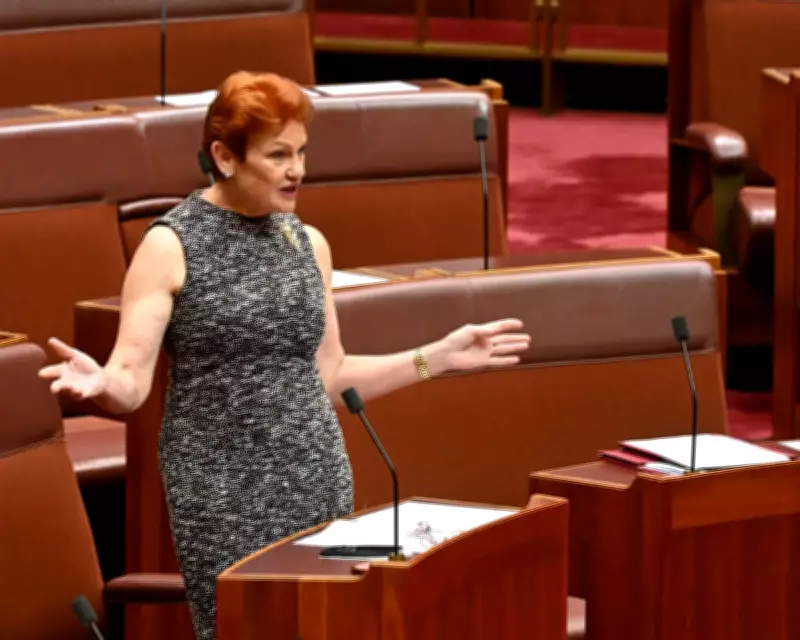
Pauline Hanson's One Nation party has delivered a stunning performance in the recent South Australia state election, outpolling the Liberal opposition with more than 22% of the primary vote. This remarkable result marks a significant shift in the state's political landscape and has triggered immediate responses from both federal Labor and Coalition leaders.
Federal Leaders Respond to One Nation's Surge
South Australian Labor Premier Peter Malinauskas has issued a stark warning about One Nation's growing influence, stating unequivocally that the party represents a genuine threat at the federal level. "I think we have got to treat this seriously," Malinauskas emphasized during a television interview. "I don't think One Nation, or any political party for that matter, should be written off."
The premier has proposed developing an alternative, progressive vision of patriotism to counter Hanson's version of national pride, potentially creating a template for federal Labor's response strategy.

Coalition Scrutiny and Internal Reflection
The federal Coalition has signaled its intention to subject One Nation to increased policy scrutiny following the South Australian results. Shadow Immigration Minister Jonno Duniam declared that if One Nation aspires to be treated as a major party, "they can be held to the same standard as Angus Taylor and Anthony Albanese are around details."
Within Coalition ranks, the collapse of Liberal support in South Australia has prompted serious introspection. SA Liberal Senator and state president Leah Blyth observed that voters are making a "deliberate choice" to abandon traditional parties for One Nation. "The One Nation vote is not the problem, it is the symptom," she noted. "It reflects voters who no longer feel we are speaking clearly or standing firmly."
Labor's Escalated Rhetorical Attacks
Federal Labor has significantly intensified its criticism of One Nation in response to the election outcome. Deputy Prime Minister Richard Marles used parliamentary question time to characterize the party as one that has "only ever been about stunts and the vibe."
Labor Party Federal President Wayne Swan delivered even harsher condemnation, accusing One Nation of offering "no alternative economic agenda, just culture-war camouflage for a wealth concentration agenda." Swan further claimed the party represents "politics imported wholesale from the American and British hard right" that has contributed to economic stagnation in other countries.
Geographic Distribution of One Nation Support
Analysis of voting patterns reveals that One Nation's strongest support came from once-safe Liberal seats in regional and rural areas of South Australia. However, the party also achieved remarkable results in several outer suburban Labor electorates, polling more than 30% in multiple districts.
While Labor is expected to retain these suburban seats through preference flows, the substantial swings toward One Nation demonstrate the party's capacity to challenge both major political blocs across diverse geographic regions.
Potential Parliamentary Representation and Future Implications
One Nation could secure up to seven parliamentary positions across both houses of the South Australian legislature following Saturday's ballot. The party's sole lower house MP in Canberra, Barnaby Joyce, suggested that Labor's intensified attacks stem from viewing One Nation as the "authentic opposition."
The upcoming 9 May Farrer byelection will serve as the first federal electoral test of One Nation's support since the South Australian results, with the Angus Taylor-led opposition expected to announce new immigration policies ahead of that contest.
This electoral breakthrough represents more than just a state-level phenomenon—it signals a potential realignment in Australian politics that both major parties must now confront with substantive policy responses rather than mere rhetorical dismissals.