Regional Rage Fuels Political Firestorm in Victoria
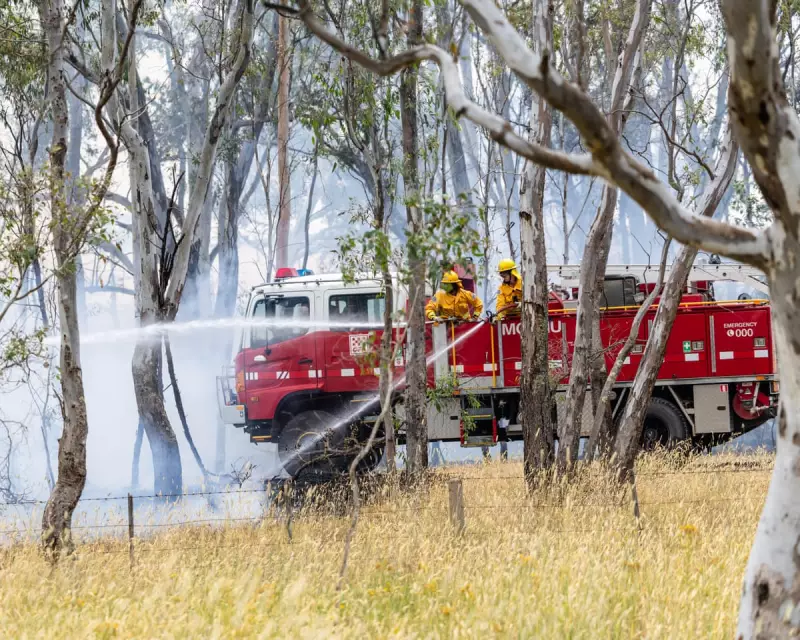
The devastating bushfires that have swept across Victoria this season have not only left a trail of destruction across 418,000 hectares but have ignited a fierce political battle that threatens to reshape the state's electoral landscape. As firefighters continue their heroic efforts to contain the blazes that have destroyed 1,500 structures including 435 homes, the government's response has come under relentless scrutiny.
Government Faces Mounting Criticism Over Bushfire Management
Firefighters have been widely praised for their extraordinary work in reducing 200 separate blazes to just six by Tuesday, yet questions persist about resource allocation and emergency preparedness. The controversy centres particularly on funding for the Country Fire Authority, with the organisation's 2024-25 annual report revealing a $21.8 million increase in funding that wasn't tabled in parliament until this week – nearly three months behind schedule.
This delay has fuelled accusations of governmental mismanagement at a critical time, creating what observers describe as a febrile atmosphere in regional communities already reeling from the disaster. The tension reached a dramatic peak recently in the bushfire-ravaged town of Alexandra, where an angry group of locals surrounded a car they mistakenly believed contained Premier Jacinta Allan, forcing her to exit through the back of a hospital where she had been holding a press conference.

One Nation Positions Itself as Voice of Regional Discontent
Into this volatile political environment steps One Nation, which believes the "tide is turning" in its favour as it seeks to expand its presence ahead of Victoria's state election. The minor party has been buoyed by recent Newspoll results showing it polling higher than the Coalition federally for the first time, and now sees an opportunity to convert regional anger into electoral success.
"I really think that all seats are up for grabs this election," declares Bianca Colecchia, One Nation's Victorian secretary, confirming the party will field candidates in every lower and upper house seat across the state. She describes this as potentially One Nation's "biggest election yet" in Victoria, with regional areas representing their "strongest areas" of support.
Emergency Services Levy Adds Fuel to Political Fire
The controversy extends beyond bushfire response to encompass the government's emergency services levy, which expands and increases the existing fire services levy to cover other emergency services. This policy has united diverse critics including United Firefighters Union secretary Peter Marshall, Andrew Weidemann from the Across Victoria Alliance, and John Houston, president of CFA Volunteers Group Inc.
These three figures recently issued a joint call for an upper house inquiry into the bushfires – a proposal promptly rejected by the government. Their collaboration follows previous campaigning against the emergency services levy in 2025, with both Weidemann and Houston's groups established in the months after the levy's announcement.
One Nation has directly linked the bushfire response to the levy controversy, with Colecchia questioning: "Where are these funds going? Victorians deserve better, and frontline workers deserve to have the proper equipment to safely perform their job and keep our communities safe."
Political Alliances and Election Strategies Emerge
The political landscape grows increasingly complex as alliances form and strategies develop. Next month's conference in Horsham, organised by the Across Victoria Alliance, will feature former Nationals leader Barnaby Joyce as a speaker – despite Colecchia denying any formal link between One Nation and the alliance. Opposition leader Jess Wilson is also advertised to appear, prompting Premier Allan to dub the event "One Nation's misinformation convention" and urge Wilson to reconsider her attendance.
While Weidemann confirms that some Across Victoria Alliance members are considering standing as One Nation candidates in November, Colecchia maintains that all potential candidates must go through the same selection process, though she acknowledges being "open to people that are value-aligned."

Scepticism Surrounds One Nation's Victorian Prospects
Not all political observers are convinced that One Nation's strategy will yield significant results. Kos Samaras, former Labor strategist turned pollster with RedBridge, expresses doubt about the party's prospects, suggesting that Joyce would prove unpopular in Melbourne seats while the Victorian Nationals brand remains "the strongest in the country."
"It's going to give the National party the shits, it's going to suck up resources, but I don't think One Nation is going to have any luck against the National party," Samaras predicts.
This view finds support from Nationals leader Danny O'Brien, who references Joyce's own 2017 comments that Australia would "go down the toilet" if run by One Nation. "That probably says it better than I could," O'Brien remarks dryly, suggesting that despite the noise, One Nation's influence may remain limited.
Broader Issues Shape Election Battlefield
Beyond the immediate bushfire controversy, Colecchia identifies several key issues that will define One Nation's election campaign: cost of living pressures, crime rates, housing affordability, energy policy, and Victoria's treaty with First Nations people. The party plans to announce detailed policies on these matters in the coming weeks as the election approaches.
The combination of these factors – from the emergency services levy and renewable energy project approvals to expanded powers for VicGrid to access private land – has created what many describe as a perfect storm of regional discontent. This has manifested in increasingly dramatic protests, including cow manure left outside the premier's office, provocative signs displayed on fire trucks, and even a woman wearing a noose around her neck while heckling Allan at the News Corp bush summit.
In response to mounting pressure, the government has already delayed introduction of the emergency services levy for farmers until after the election – a concession that underscores the political sensitivity of the issue as Victoria approaches a potentially transformative electoral contest.