The Gathering Storm: Australia's Political Vacuum and the One Nation Threat
Australia's political landscape stands at a precarious crossroads, with major party dysfunction creating a dangerous vacuum that extremist forces could exploit. The current state of federal politics reveals a troubling pattern of squandered opportunities and neglected responsibilities that threatens the very foundations of democratic governance.
A Coalition in Disarray
The federal Coalition presents a picture of profound disunity, with the Liberal and National parties resembling divorced parents at a wedding - sharing space but fundamentally disconnected. This internal strife has reached such proportions that it undermines their capacity to function as an effective opposition, let alone a credible alternative government.
Their policy positions have become increasingly erratic, particularly on climate change where they have all but abandoned meaningful action despite overwhelming scientific consensus. This retreat from climate responsibility represents not just policy failure but a betrayal of future generations who will inherit the consequences of today's inaction.

Labor's Complacent Governance
Meanwhile, the Labor government appears content to watch from the sidelines, occupying their 94 comfortable seats while offering little more than political theatre and short-term thinking. Their approach to governance has become characterised by tinkering at the edges rather than tackling the structural reforms Australia desperately needs.
Areas requiring brave intervention - from housing affordability and tax reform to intergenerational equity - remain firmly in the too hard basket. The government's apparent satisfaction with their opponents' collapse provides convenient cover for their own reform timidity, creating a perfect storm of political inertia.
The Vacuum and Its Consequences
This dual failure of both major parties has created what can only be described as a dangerous political vacuum. When established political forces abdicate their responsibilities, they create space for more extreme elements to gain influence and power. The current situation represents fertile ground for populist movements to exploit public disillusionment.
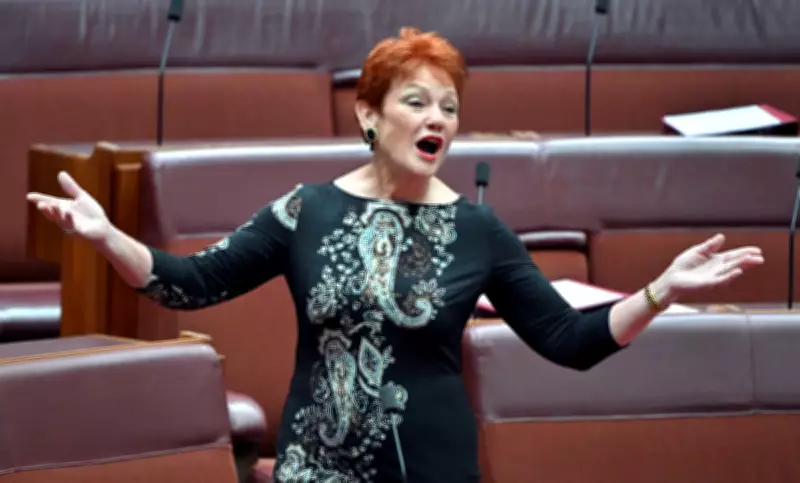
Consider the alarming scenario where Pauline Hanson and Barnaby Joyce could hold the balance of power in the Senate, or where a One Nation coalition might dictate policy to both the Liberals and Nationals. Such possibilities, once considered remote, now appear increasingly plausible given the current political trajectory.
The Real-World Impact
While this political drama unfolds, ordinary Australians face mounting pressures:
- Families struggle with ever-increasing living costs
- Young people face impossible housing markets
- Mental health crises burden younger generations
- Climate disasters intensify with inadequate policy response
- Structural economic challenges go unaddressed
The disconnect between political theatre and public need has never been more pronounced. Research indicates that crossbenchers now drive most substantive policy discussions in parliament, yet media coverage remains fixated on partisan conflict rather than substantive debate.
The Independent Perspective
The rise of community independents represents not the cause of current problems but a response to them. So-called moderate Liberals have largely failed to moderate their party's direction, instead following the populist rightward drift. Their strategy has backfired spectacularly, with the National party's culture war positions on Indigenous rights and climate failing to resonate in crucial urban seats.
This political failure has broader implications. New election donation laws threaten to compound existing problems by making it harder for independents to compete, potentially further consolidating power among established parties incapable of meaningful reform.

Historical Parallels and Future Risks
International experience offers sobering lessons. During the first Trump administration, many voters who had previously supported Obama turned to disruption over dignity when promised change failed to materialise. Australia risks following a similar pattern if major parties continue to disappoint citizens seeking genuine action on pressing issues.
The fundamental truth remains: doing nothing carries as much risk as doing something. Political paralysis in the face of multiple crises represents an abdication of leadership that could have severe consequences for Australia's democratic health and social cohesion.
One Nation's potential rise represents more than just another political development - it signals a potential shift in Australia's political paradigm that could threaten the moderate, inclusive democracy that has served the nation well for generations. The time for complacency has passed; the need for courageous leadership has never been more urgent.