Palestinian Australians Condemn Herzog Visit as 'Slap in the Face' Amid Gaza Grief
The upcoming visit of Israeli President Isaac Herzog to Australia has sparked profound distress among Palestinian Australian communities, with many describing the diplomatic gesture as a "slap in the face" while they mourn family members killed in Gaza. Prime Minister Anthony Albanese extended the invitation following December's antisemitic attack at Bondi Beach, framing it as an effort to foster national unity.
Personal Tragedies and Political Protest
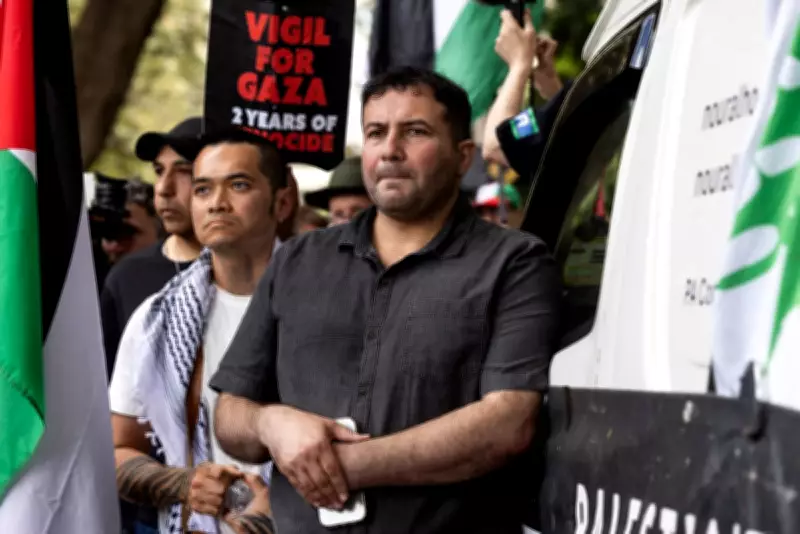
Shamikh Badra, a Sydney-based PhD student who migrated from Palestine eleven years ago, has not heard from his brother, sister-in-law, and their four children for over two years. He presumes they perished beneath the rubble of their Gaza home. "This is what genocide looks like in real life," Badra declared at a recent Sydney rally organised by the Palestine Action Group, addressing a crowd of at least 2,000 protesters. "And now, we are told the man who defended these policies is welcome in Australia."
Badra has formally urged the Australian government to evaluate its legal responsibilities under international law before Herzog's arrival, arguing that "we should not be encouraging people who incite genocide by rolling out the red carpet." His personal loss is compounded by the struggle to evacuate his mother from Gaza, a process that concluded only in October.

Community Outrage and Government Response
Raneem Emad, another Palestinian Australian, articulated the community's sentiment, stating that Herzog's visit "really does feel like a slap in the face." She emphasised that despite governmental rhetoric about social cohesion, "our lives are worth less." Emad plans to join protests demanding concrete actions, including halting Australian weapons exports to Israel and implementing boycott, divestment, and sanctions measures.
The visit has received endorsement from major Jewish organisations and various government levels, yet it faces opposition from some Jewish Australian groups and political figures. Critics reference a UN commission report from September 2025, which accused Israel of genocide in Gaza and cited Herzog, alongside Prime Minister Benjamin Netanyahu and former Defence Minister Yoav Gallant, for incitement. Israel's foreign ministry dismissed the report as "distorted and false."
Protest Rights and Legislative Challenges
New South Wales has enacted stringent anti-protest legislation following the Bondi terror attack, which killed fifteen people. This includes a "major event" declaration granting police expanded powers to restrict demonstrations. Police Commissioner Mal Lanyon has labelled the planned protest route through Sydney's CBD as "unauthorised," despite appeals from three NSW Labor backbenchers and a group of thirteen MPs who advocate for permitting the march.
Premier Chris Minns controversially linked pro-Palestine rallies to the Bondi attack, suggesting their "implications" were evident in the tragedy. Federal antisemitism envoy Jillian Segal echoed this sentiment, referencing earlier protests. Meanwhile, the Greens have cautioned that new hate speech laws might target critics of Israel's government.
Broader Implications and Legal Battles
Dalia Ahq, a veteran protester for Palestinian rights, asserts that the movement's concerns have been consistently marginalised, a situation exacerbated post-Bondi. She urges police to allow peaceful demonstrations, warning that "the risk is not us protesting but the police not allowing us to." The Palestine Action Group has initiated a legal challenge against NSW's anti-protest laws, with spokesperson Josh Lees expressing concern that the Bondi attack is being exploited to suppress dissent.
Nasser Mashni, president of the Australia Palestine Advocacy Network, condemns the Herzog visit, stating that "Australia's political elite is siding with genocide." He calls on supporters of democracy and human rights to protest the visit. Badra remains resolute, vowing to march for his family and all Palestinian lives, despite the looming threat of prosecution under new regulations.

The controversy underscores deep divisions within Australian society regarding international diplomacy, protest freedoms, and the ongoing Israel-Gaza conflict, with Palestinian Australians feeling increasingly alienated by governmental actions they perceive as dismissive of their profound losses.