Police and Media Forge New Charter to Reset Relations After Nicola Bulley Case
Police forces across England and Wales, alongside media representatives, have committed to a significant "reset" in their professional relationship. This initiative follows a period of heightened distrust, largely attributed to the handling of the Nicola Bulley disappearance case in 2023. The new "policing and media charter" was officially launched at the Society of Editors conference in London, with the goal of fostering clearer and more constructive interactions between law enforcement and the press.
Addressing Communication Breakdowns
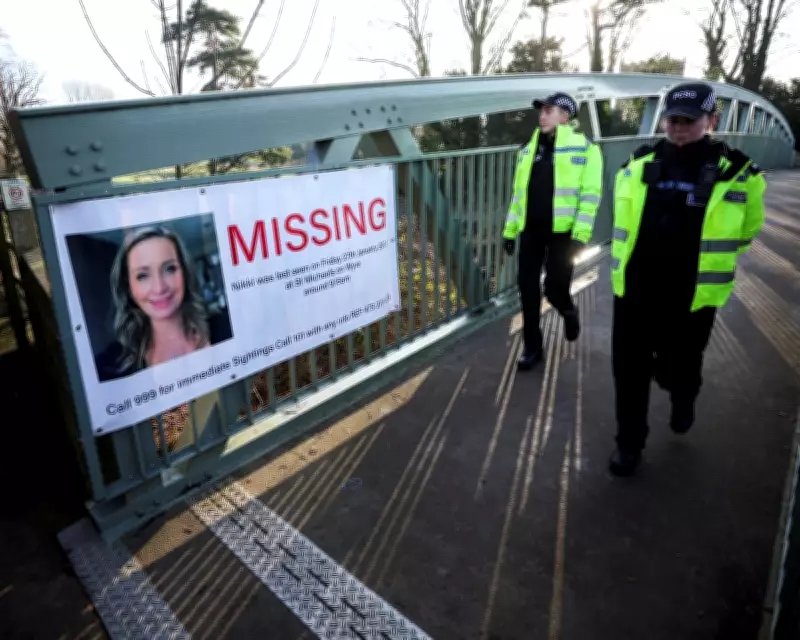
The disappearance of Nicola Bulley in Lancashire sparked intense global media coverage, leading to widespread speculation and conspiracy theories. An independent investigation later revealed that early communication failures by police allowed external voices to dominate the narrative. Specifically, a lack of timely briefings to mainstream media on non-reportable key information created an information vacuum, which was quickly filled by unchecked speculation. This situation was exacerbated by the fact that some police forces did not have accessible press office contact details on their websites, hindering effective dialogue.
Andy Marsh, the chief executive of the College of Policing, emphasized the charter's importance, stating it aims to mark a "resetting of the relationship between the police and the media." The charter explicitly encourages engagement between police officers and staff of all ranks with the media when there is a policing purpose, and commits to regular, meaningful interaction with recognized reporters.

Key Provisions of the Charter
The charter outlines several practical measures designed to improve transparency and prevent misinformation. All police forces will now be required to provide a contactable phone number for their press offices. Additionally, forces will email press releases of national significance and release investigation updates as promptly as possible to curb social media speculation. The charter also ensures that police family liaison officers and press officers will support relatives who wish to speak directly to the media, empowering families in high-profile cases.
This move is seen as a response not only to the Bulley case but also to broader tensions that have persisted since the 2011 Leveson inquiry into press ethics, which made some forces reluctant to engage with journalists. The Bulley case alone generated immense public interest, with 6,500 news articles published globally in a single day at its peak and TikTok videos featuring her name amassing 270 million views.
Looking Forward
By implementing this charter, both police and media hope to rebuild trust and ensure that accurate information is disseminated efficiently in future cases. This collaborative effort underscores a shared commitment to upholding public confidence and preventing the spread of false narratives that can arise from communication gaps.