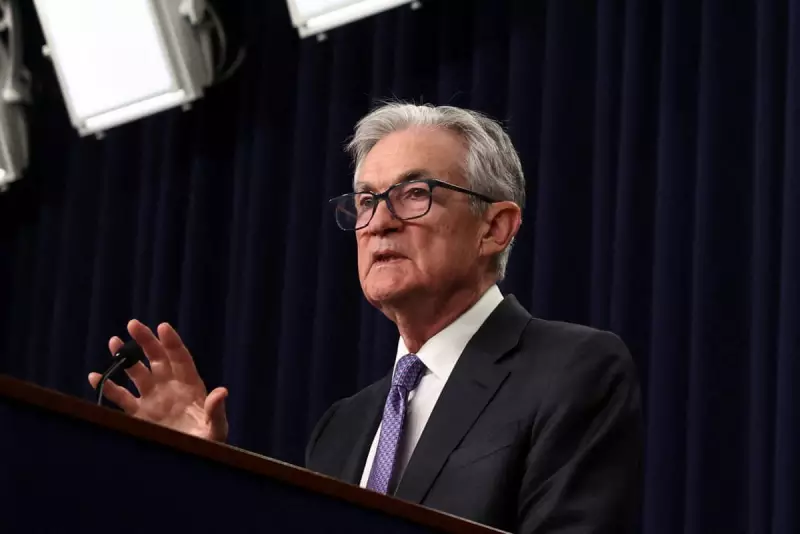
In a dramatic escalation of political pressure on the United States' central bank, Federal Reserve Chair Jerome Powell has publicly accused the Department of Justice (DoJ) of threatening him with criminal charges. Powell asserts this unprecedented move is retaliation for the Fed's refusal to bow to former President Donald Trump's demands for rapid interest rate cuts.
A Political Battle Over Monetary Policy
Powell issued a blistering statement on Sunday, framing the Justice Department's actions as a direct assault on the Federal Reserve's operational independence. He stated the central bank sets rates "based on our best assessment of what will serve the public, rather than following the preferences of the President." This standoff marks a new peak in a long-running conflict, as Trump spent much of his presidency and subsequent campaign publicly lambasting Powell and the Fed for not implementing faster monetary easing.
The investigation, approved by Attorney Jeanine Pirro in November according to The New York Times, is formally centred on the multi-billion-dollar renovation of the Fed's Washington headquarters. Prosecutors are examining whether Powell misled Congress about the project's scope during testimony before the Senate Banking Committee in June last year.
The Mechanics of the Investigation
The US attorney’s office in the District of Columbia has opened a criminal probe, analysing Powell's public statements and scrutinising spending records. Powell confirmed that on Friday, the DoJ served the Federal Reserve with grand jury subpoenas, threatening a criminal indictment related to his congressional testimony.
This legal avenue follows months of accusations from Trump's allies, who claimed the Fed mishandled the extensive renovations. Trump himself had repeatedly threatened legal action against the central bank.
Powell's Defence and the Stakes for Independence
In his forceful response, Powell, who has served under four administrations, emphasised his non-partisan record. "I have carried out my duties without political fear or favour, focused solely on our mandate of price stability and maximum employment," he stated.
He framed the issue in stark terms: "This is about whether the Fed will be able to continue to set interest rates based on evidence and economic conditions—or whether instead monetary policy will be directed by political pressure or intimidation." Vowing to stand firm, Powell committed to continuing his role with integrity, despite the threats.
The White House and the Department of Justice have not yet provided official comment on the allegations. This confrontation sets a significant precedent, testing the resilience of the Federal Reserve's cherished independence from direct political coercion.