Ramadan Jeers at Elland Road Signal Britain's Deepening Intolerance
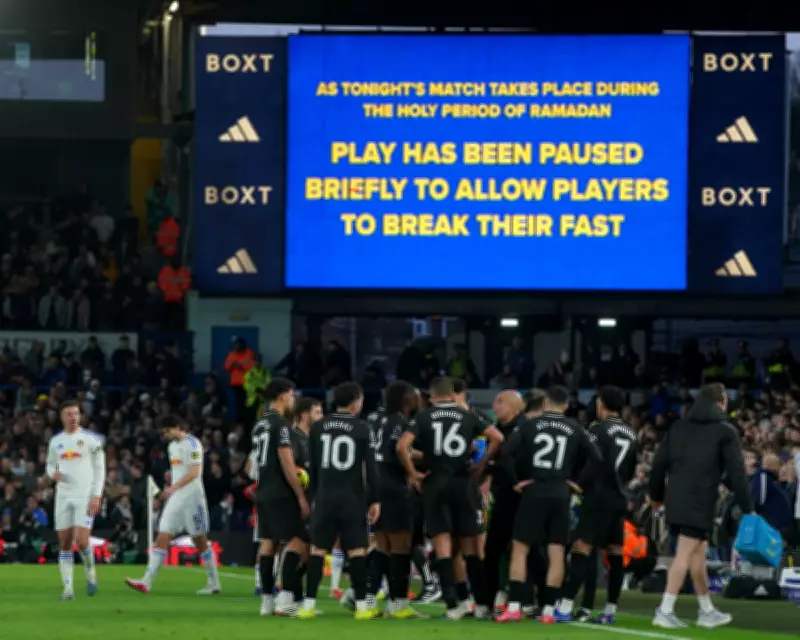
During a Premier League match between Leeds United and Manchester City at Elland Road on February 28, 2026, Muslim players observing Ramadan were openly jeered by sections of the crowd as they broke their fast. This incident, captured in photographs by Ian Hodgson, represents a disturbing normalization of intolerance in British society. The breaks, introduced in 2021, had previously occurred without controversy, but now highlight a climate where minority groups face increasing hostility.
Political Void and Failed Leadership
The response from political leaders has been notably inadequate. Following the Gorton and Denton byelection, BBC Radio 4's Any Questions featured a caller named Steve who warned against demonizing minority groups. However, former New Labour minister David Blunkett, while criticizing Labour's technocratism, ignored Steve's central point about scapegoating. This is particularly striking given Blunkett's own history, including his 2002 comment about schools being "swamped" by immigrants and winning an Islamophobia award in 2003.
Green MP Hannah Spencer, in her victory speech, directly addressed rising Islamophobia, stating: "I can't and won't accept this tonight without calling out the politicians and divisive figures who constantly scapegoat and blame our communities for all the problems in society." Yet Labour leader Keir Starmer dismissed the Greens' win as embracing "divisive, sectarian politics," despite Muslim voters having been crucial to Labour's previous electoral success in the area.

From Football Pitches to Advertising Campaigns
The abuse extends far beyond football stadiums. Last year, Syed Usman Shah featured in a "Welcome to Heathrow" advertising campaign, which he initially described as "probably one of the highlights of my life." However, he soon faced a barrage of racist abuse, including claims that Britain was "under siege" and criticism of his traditional dress. Another Muslim sportswoman in the campaign endured such severe harassment that she requested her posters be removed.
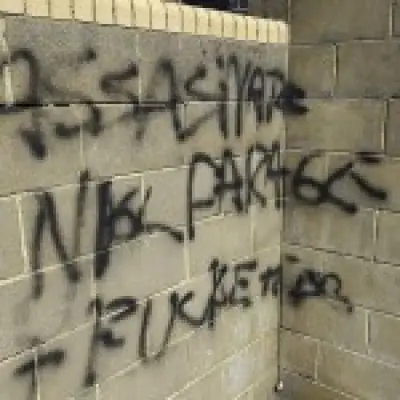
On social media, it has become commonplace for hateful accounts to share pictures of primary school classes and comment negatively on the number of ethnic minority pupils. This online vitriol spills into real-world danger, as evidenced by an incident last week where a white British man allegedly entered a mosque during Ramadan prayers armed with an axe, zip ties, and a balaclava.
The Moral Vacuum in British Politics
Britain lacks any official political role dedicated to alleviating community tensions and promoting multicultural cohesion, unlike Australia which has a minister for multicultural affairs. This leaves only crisis management after tensions escalate. Prime Minister Rishi Sunak's calls for tolerance ring hollow, while even Green politicians like Spencer and Zack Polanski, though more convincing in their sincerity, lack the political power to implement meaningful change.
In this moral vacuum, billionaire businessman Jim Ratcliffe's comment that Britain had been "colonised" by immigrants (for which he later apologized) was met with a weak rebuke from Starmer, who simultaneously pursued hardline immigration policies mirroring Nigel Farage's Reform project.
An Unexpected Voice of Reason
Perhaps most tellingly, the most authoritative voice calling for unity has been King Charles, who used his Christmas speech to emphasize the importance of "simply getting to know our neighbours." That a royal figure emerges as the most credible advocate for compassion speaks volumes about the depletion of moral authority in mainstream politics.
As Britain plunges deeper into parochialism and open bigotry, with intolerance increasingly in vogue and political leaders failing to meet the moment, the question remains: Is this the Britain we want? With no credible political force presenting an authoritative, uniting vision, the country risks further fracturing along cultural and religious lines.