Rachel Reeves' Spring Statement Skirts Economic Realities
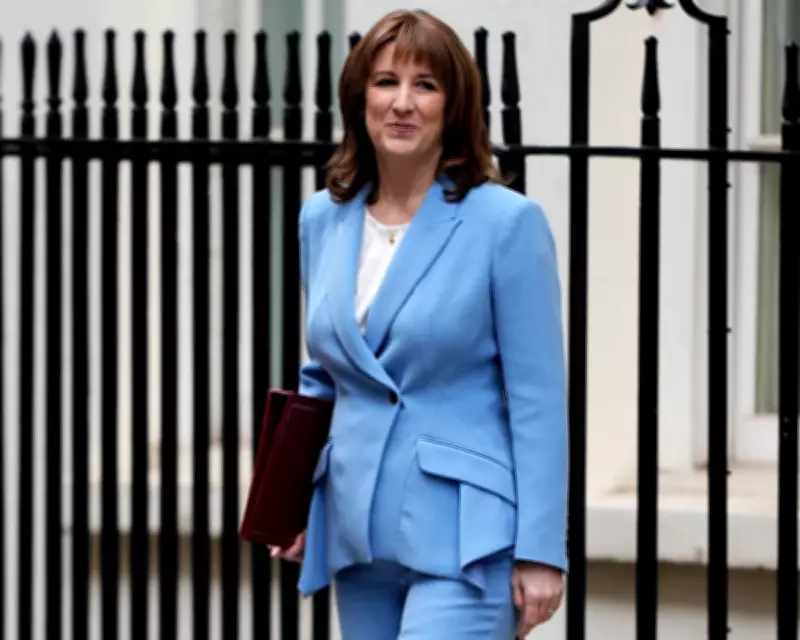
Chancellor Rachel Reeves opted to avoid discussing the UK's declining economic growth and increasing unemployment rates during her spring statement. With no new spending or fiscal commitments, the address was notably short and perceived by some as out of touch with current challenges.
A Statement Without Substance
Reeves stood at the dispatch box, asserting that the government has "the right economic plan for this country," despite recent figures showing a contraction in growth and a rise in joblessness. Her speech came just days after global events, including Donald Trump's actions in Iran, triggered volatility in oil and gas prices, bond markets, and stock exchanges worldwide.
This timing made her optimistic tone seem premature and somewhat insensitive to the broader economic climate. Unlike previous chancellors who used spring statements to correct budgetary missteps, Reeves planned no immediate policy shifts, leaving any adjustments for later in the year.

Minimal Leaks and Maximum Frustration
The Treasury experienced an unusual silence in the lead-up to the statement, with no leaks about potential tax changes. This was not due to enhanced security but simply because there was nothing substantive to reveal. Special advisers, who thrive on wielding influence, found themselves with little to work with, leading to a sense of frustration behind the scenes.
When Reeves began speaking shortly after 12:35 PM, she focused on inflation and interest rates, deliberately omitting any mention of the negative growth and unemployment trends. Her references to austerity and former Prime Minister Liz Truss were brief, and she avoided discussing a potential reset with the EU, which could have long-term economic benefits.
Parliamentary Theater and Opposition Blunders
With little of substance being said, MPs from both sides engaged in shouted cheers and insults, largely to entertain themselves. The performance grew tedious as the statement lacked depth. Shadow Chancellor Mel Stride's reply for the opposition was particularly lackluster; he seemed unprepared, having expected major announcements to critique.
Stride's floundering response highlighted his apparent unawareness that Reeves had never intended to unveil new policies. His despair was palpable, and Reeves seized the opportunity to mock him, suggesting he might have preferred if Kemi Badenoch had responded instead. She emphasized that the Tories had become irrelevant due to their past economic mismanagement, which she labeled a moral failing.
Broader Political Context
The statement also touched on other political figures, such as Nigel Farage's absence and Robert Jenrick's attempts to appear more intellectual by wearing glasses in the chamber. Jenrick faced criticism for his own lack of achievements, with Reeves noting that at least she was making an effort, whereas his record was one of failure.
Ultimately, the Institute for Fiscal Studies had little to analyze, as Reeves' statement offered scant material for debate. In a time of economic uncertainty, her approach of delaying problems was framed as a temporary victory, though it left many questioning the government's readiness to address pressing issues.