South Australian Liberal Party Faces Existential Threat in Upcoming Election
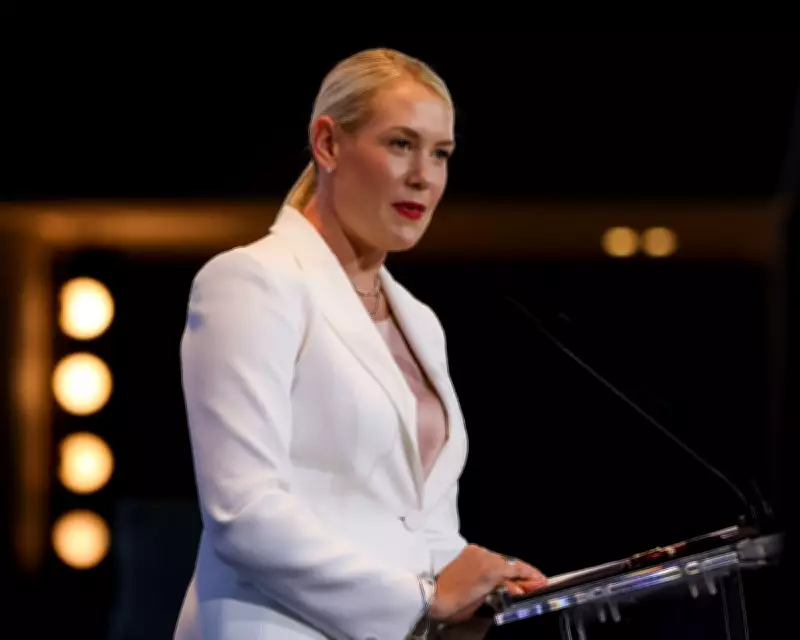
The South Australian Liberal Party, under opposition leader Ashton Hurn, is grappling with an unprecedented crisis as opinion polls indicate a potential electoral catastrophe. With the party's primary vote plummeting to a mere 14%, insiders fear for its very existence, marking a dramatic fall from its triumphant victory in 2018. This situation presents a compelling case study for the broader landscape of Australian politics, highlighting deep-seated challenges within the conservative movement.
From Triumph to Turmoil: A Rapid Decline
In March 2018, the South Australian Liberal Party celebrated a historic win, ending 16 years in opposition as Steven Marshall defeated Labor's Jay Weatherill. Marshall's victory, marked by optimism and a "new dawn" for the state, has since been overshadowed by a series of setbacks. Four years later, the Marshall government was ousted in a landslide led by Peter Malinauskas, and now, another four years on, the party faces a battle for survival in the upcoming election on 21 March.
Party insiders express grave concerns, predicting that Hurn's Liberals could be reduced to fewer than five of the 47 lower house seats, with a complete wipeout in metropolitan Adelaide. This potential outcome mirrors the devastating defeat suffered by their Western Australian counterparts in 2021, signaling a profound shift in voter sentiment.

Factors Behind the Collapse
The decline of the South Australian Liberal Party is attributed to a confluence of local and national factors:
- Leadership Instability: Hurn is the party's fourth leader in four years, following Vincent Tarzia, David Speirs, and Steven Marshall, creating a perception of chaos and inconsistency.
- Factional Warfare: Internal conflicts, particularly the takeover by the religious-right faction led by Alex Antic, have alienated moderate voters and disrupted party unity.
- Scandals: The arrest and conviction of former leader David Speirs on drugs charges have tarnished the party's reputation, eroding public trust.
- Popularity of Labor: Premier Peter Malinauskas has successfully captured the political centre, appealing to traditional Liberal voters with a centrist agenda on health and education, while actively courting the private sector.
These issues have left the Liberals squeezed between Labor on the left and One Nation, led by Cory Bernardi, on the right, risking irrelevance in the state's political arena.
National Implications and Future Prospects
The predicament in South Australia raises critical questions about the Liberal Party's future nationwide. Could this be a warning sign for a party teetering on the brink of collapse across Australia? Senior Liberals acknowledge that the Marshall government's complacency after 2018, coupled with a failure to rebuild trust, has led to significant brand damage. As one insider noted, "The party has not yet been forgiven by voters."
In the upcoming election, Hurn is expected to retain her seat of Schubert, with the party likely holding Chaffey in the Riverland. However, beyond these strongholds, uncertainty looms. The challenge of competing against Labor in Adelaide and One Nation in the regions mirrors the national bind: where does the Liberal Party fit in modern Australian politics?
Ryan Liddell, a political strategist based in Adelaide, describes the Liberals as "disoriented, outgunned and bewildered" in the face of Malinauskas's centrist appeal. The verdict on 21 March will be closely watched beyond South Australia, potentially shaping the future trajectory of conservative politics in the country.